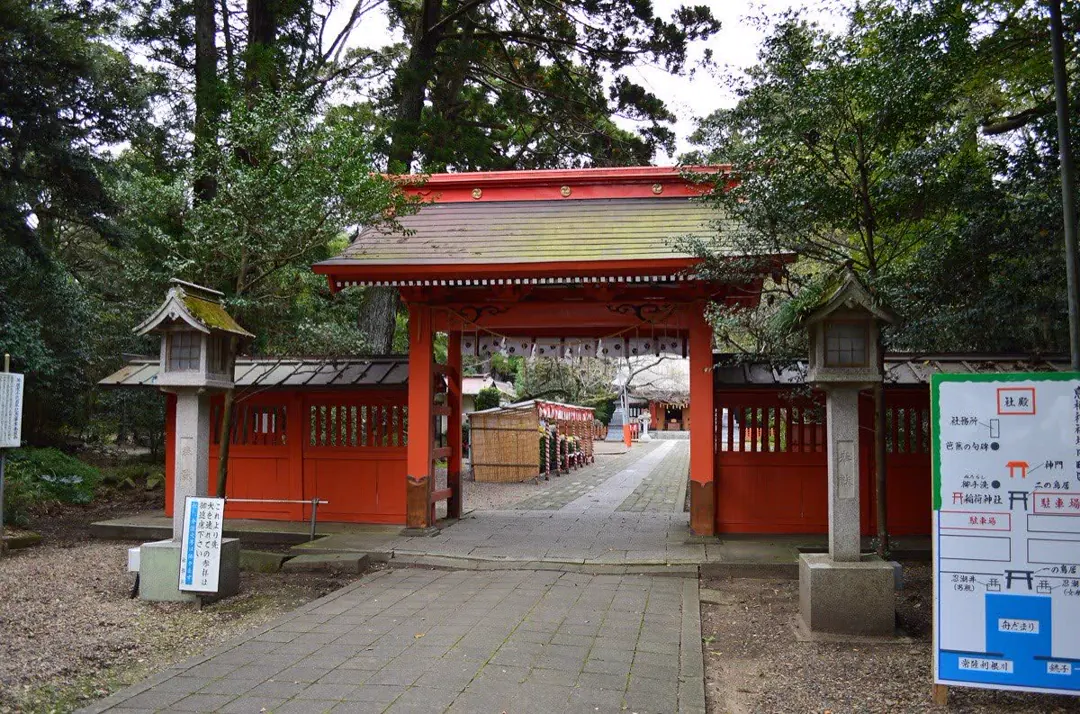
Ikisu Shrine
The way-opening deity Kunado and the Oshioi wells — one of the Three Shrines of the East.
History and Divine Virtue
Counted with Kashima Jingu and Katori Jingu among the Three Shrines of the East. Its principal deity is Kunado no Kami, a deity of michihiraki — the opening of the way — who stands at the fork of roads to bar the entry of misfortune and light the path ahead; in the myth of the transfer of the land, he is said to have guided Takemikazuchi and the heavenly deities in their pacification of the east. Enshrined alongside him are Ame-no-Torifune no Kami, deity of transport, and the three Sumiyoshi deities, guardians of the sea. The shrine is said to have moved to its present site in 807. Beside the first torii gate on the bank of the Tone River stand two wells called the Oshioi, said to have poured forth pure water for more than a thousand years and spoken of as one of Japan's three sacred springs. At the bottom of the wells rest two vessels, called the male jar and the female jar, and tradition holds that good fortune comes to those who glimpse them through the clear water. Visitors come quietly to pray for a way opened at life's turning points, for protection from misfortune, and for safe travel — the most serene and composed of the Three Shrines of the East.
Visiting Notes
- After worship, walk to the first torii on the Tone River to see the Oshioi wells and their male and female jars.
- On the Three Shrines pilgrimage, custom is to visit Kashima and Katori as well and receive the sanja-mamori amulet.
- The quiet grounds invite a lingering visit — the paired "married couple" cedars and the strength-testing stones are also worth seeing.
Deities and Location
- Enshrined Deities
- Kunado no Kami, Ame-no-Torifune no Kami, The three Sumiyoshi deities
- Location
- 茨城県神栖市息栖 (Ibaraki)
- Access
- About 15 minutes by taxi from Kashima-Jingu Station or Itako Station (JR Kashima Line)
- Lineage
- Michihiraki: Opening the Way
Visiting hours, goshuin (shrine stamps), and festival dates change; please confirm the latest information through each shrine's official announcements. If you find an error in this entry, we would be grateful if you let us know.
Visit Records
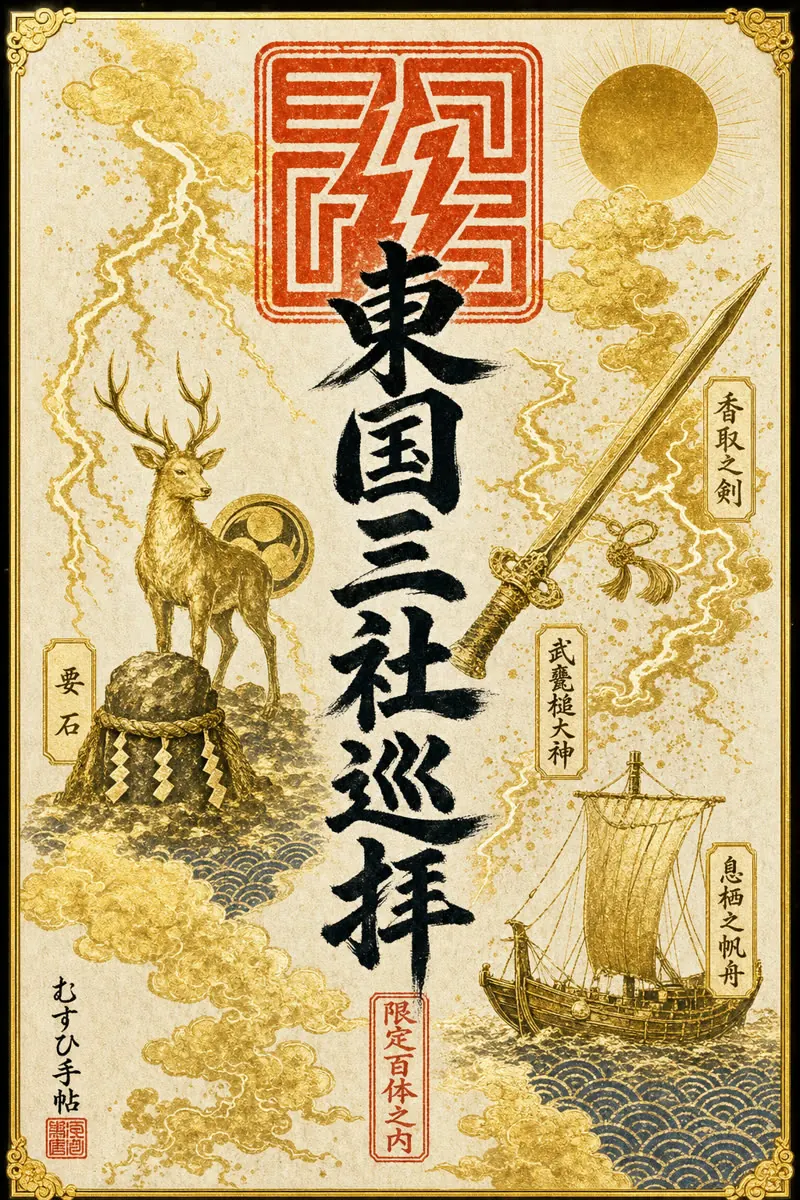 This shrine is part of the “Tokoku Sansha — The Three Shrines of the East” pilgrimageRecord a visit to all three shrines to receive a digital goshuin NFT, limited to 100.About the pilgrimage goshuin →
Records earn points shared across our sister sites (1 pt ≈ 1 yen in value; points cannot be redeemed for cash or transferred). A fingerprint of the records is inscribed on the blockchain every day, so they cannot be rewritten afterwards.
Shrines to Visit Together
related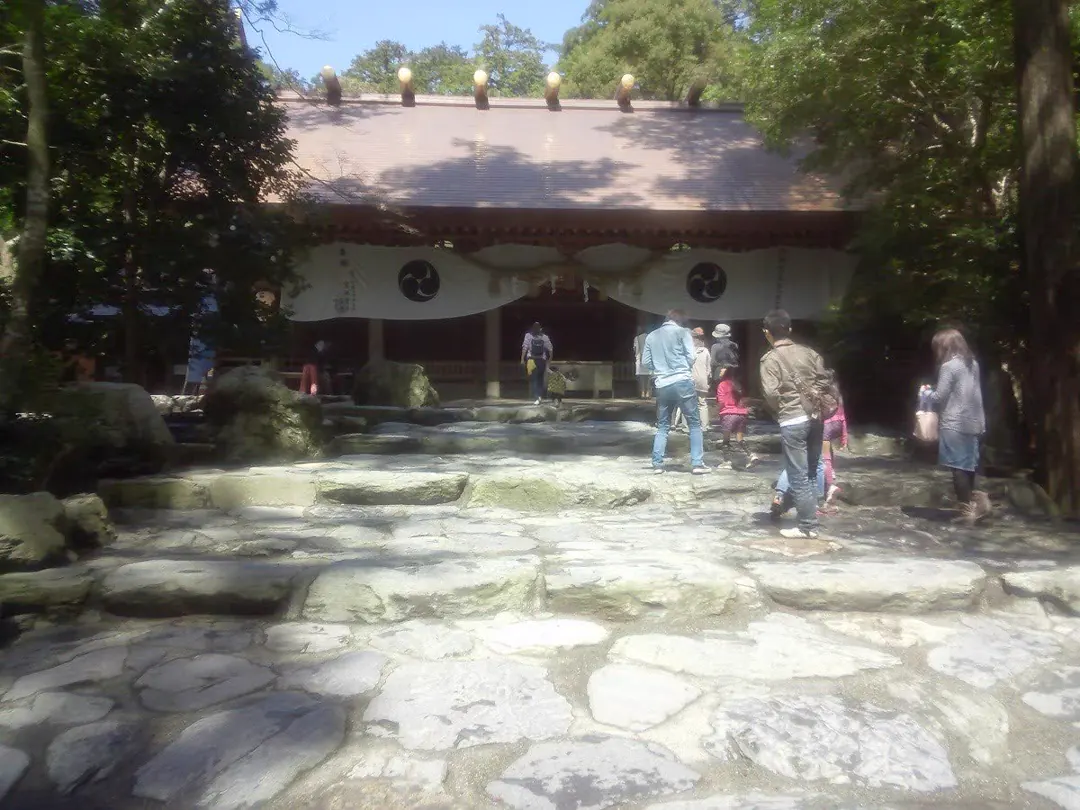 Mie
MieTsubaki Grand Shrine (Tsubaki Okamiyashiro)
Head shrine of Sarutahiko no Okami, the deity who opens the way.
 Mie
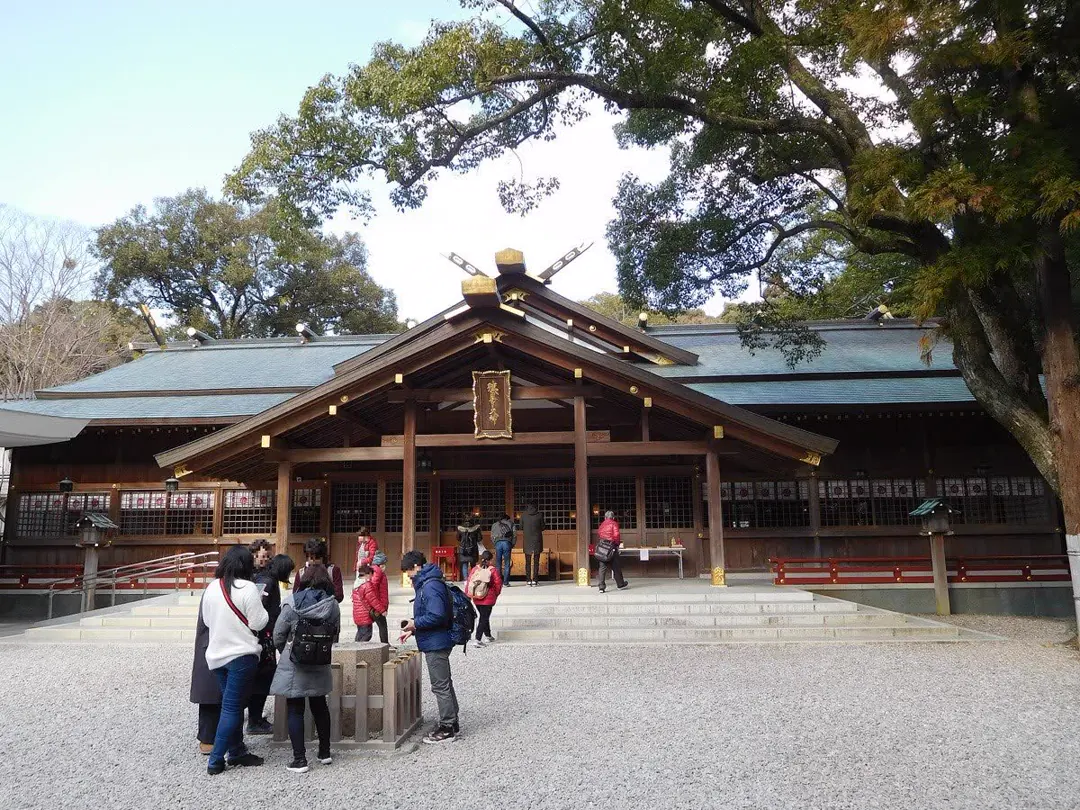
MieSarutahiko Shrine
A shrine of way-opening, where the eight-sided direction stone rests.
 Nara
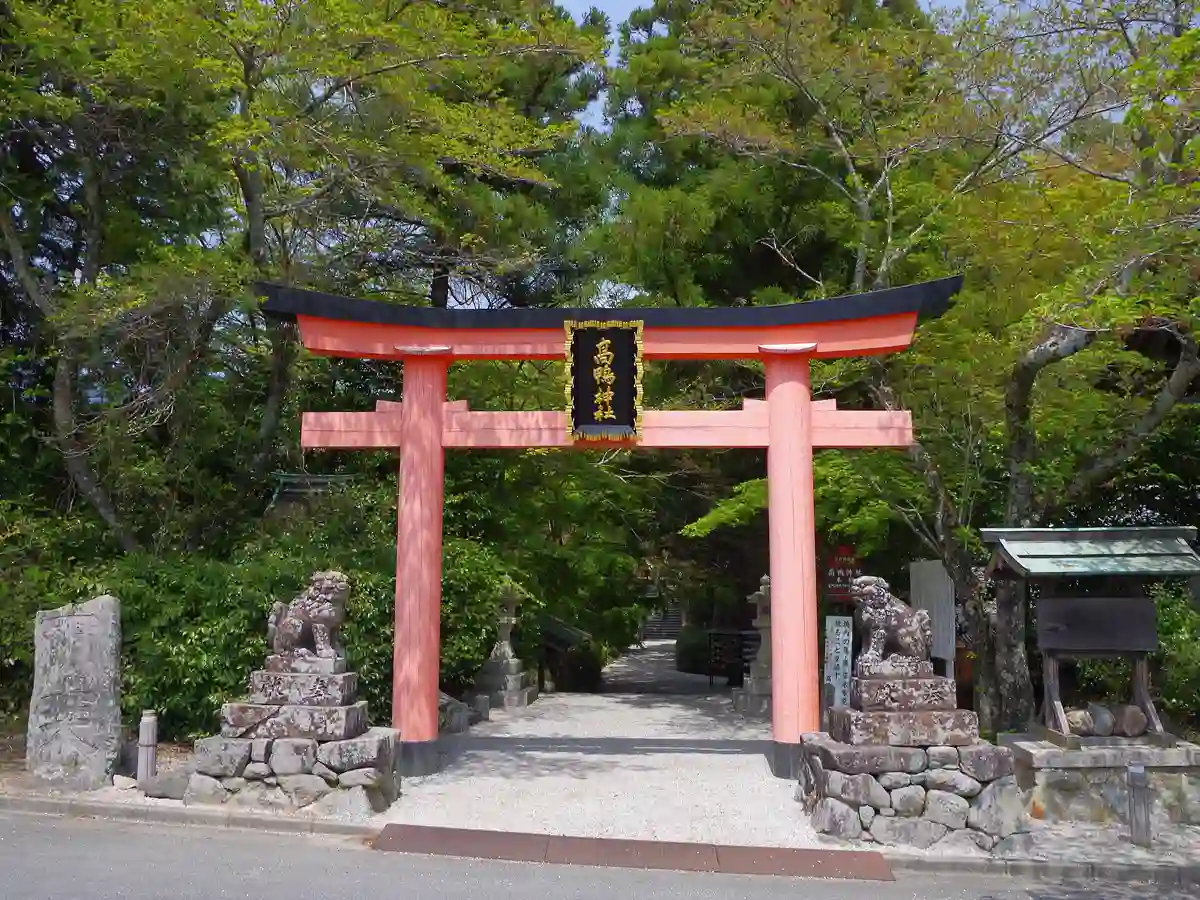
NaraTakakamo Shrine
Birthplace of the Kamo clan and the ancestral shrine of Kamo shrines nationwide.