Japan's shrines,
and the bonds they tie.
Musuhi is an old Japanese word for the working that brings all things into being and binds them together. MUSUHI TECHO introduces Japan's storied Shinto shrines with care — by lineage and by blessing — together with the tales of Japanese mythology that stand behind them.
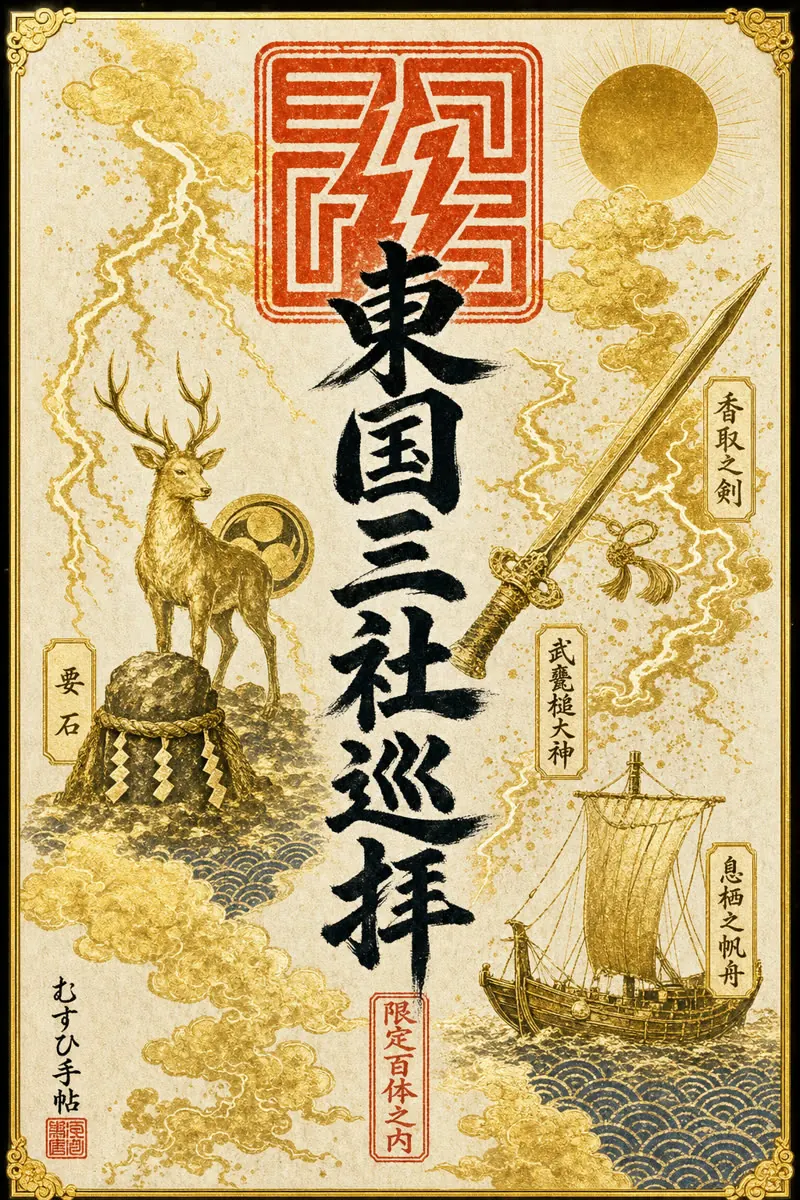
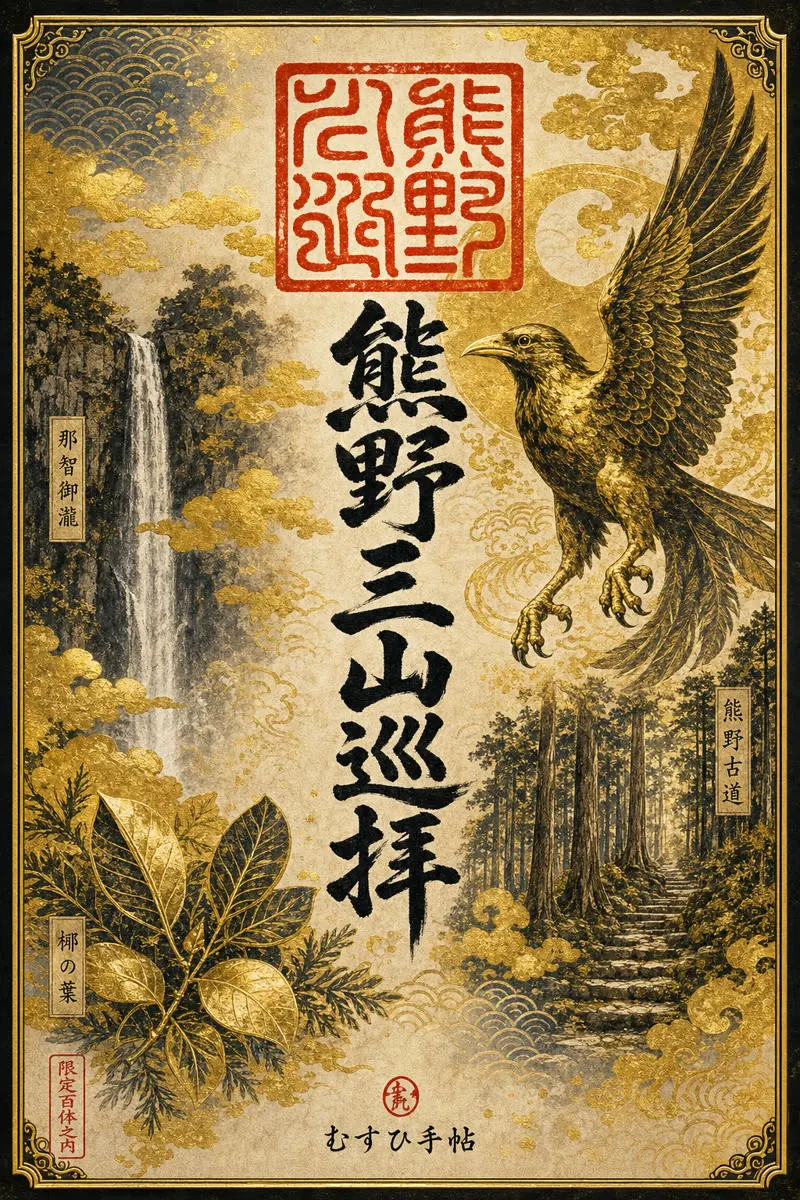
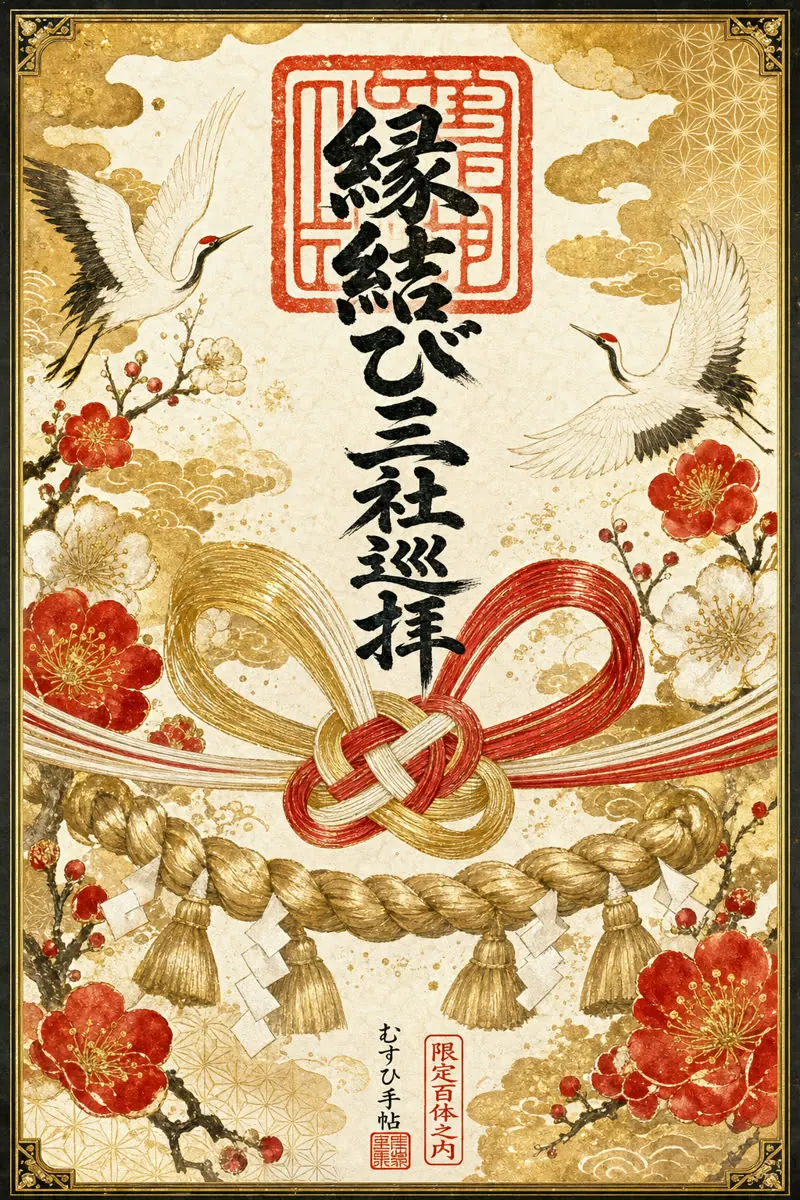
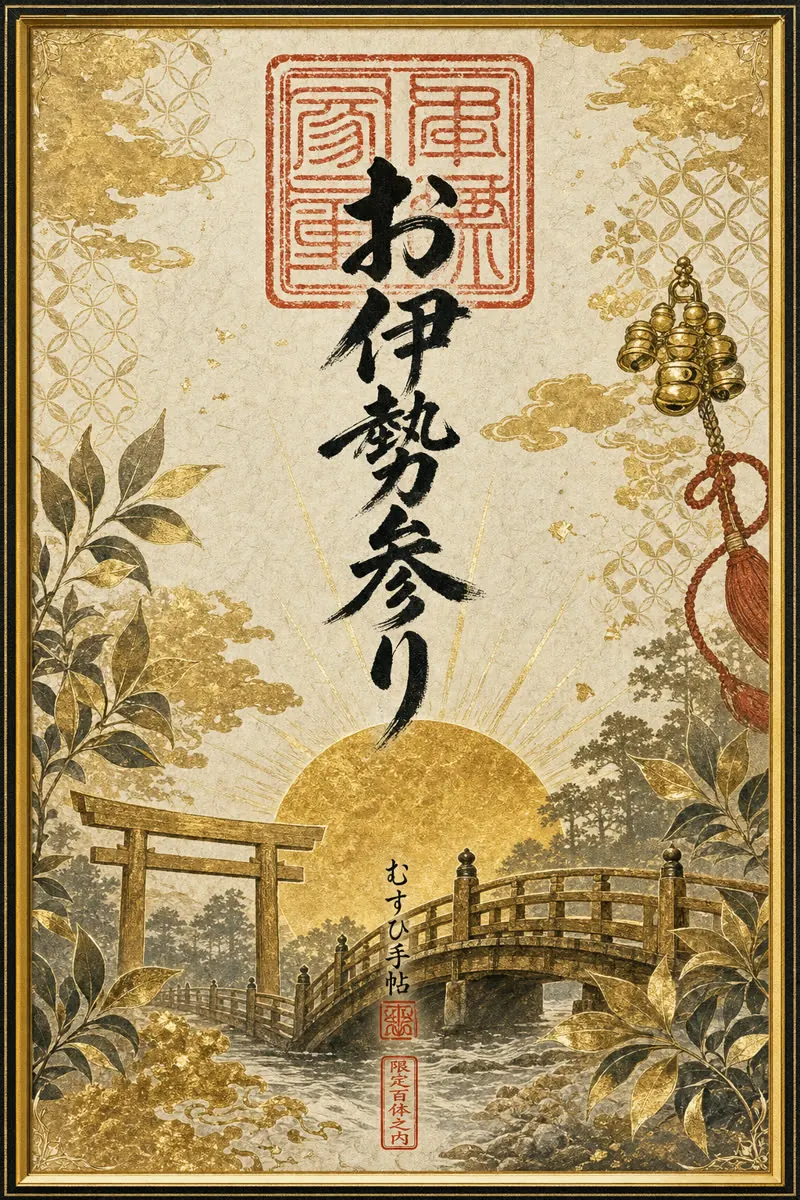
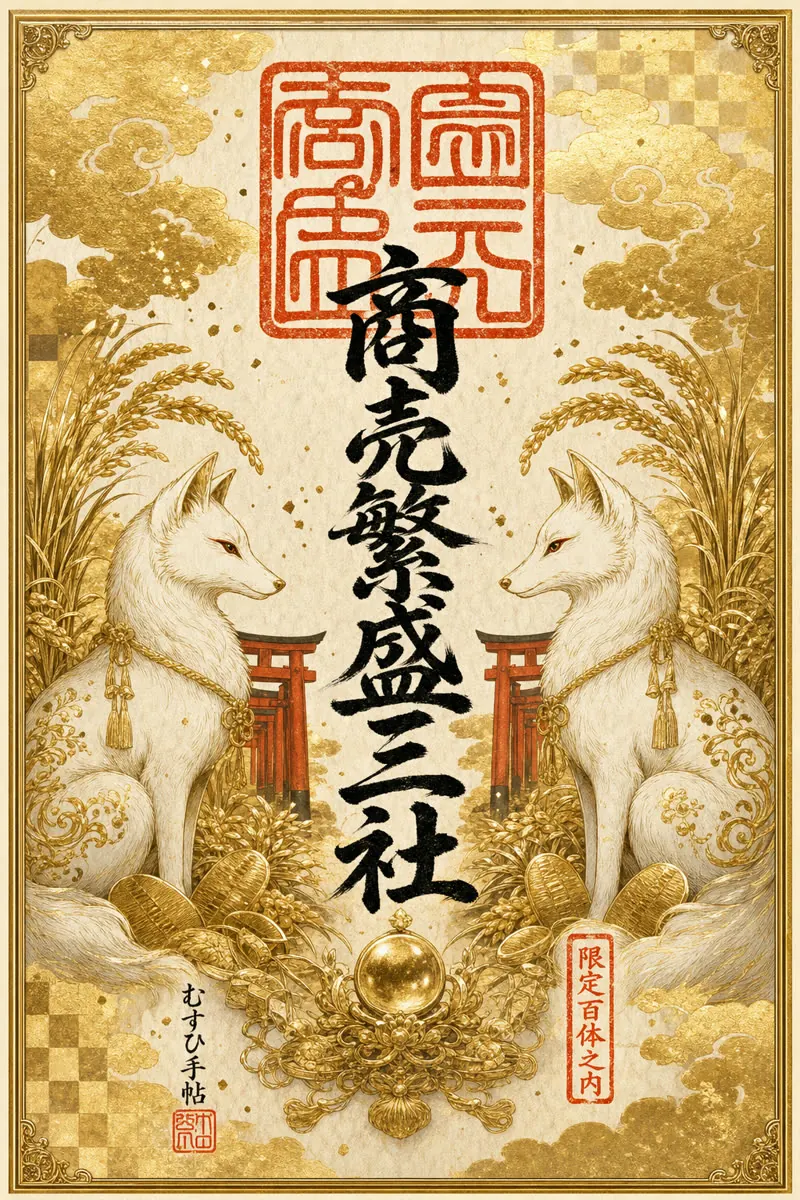
Find by Lineage
keitoIn Japan it has long been said that fortunate people keep their shrines close: noticing the small graces of daily life, pressing their palms together at life's turning points, and giving thanks to the unseen working called musubi. We have grouped the shrines by the character of their deities — choose the musubi you need now.
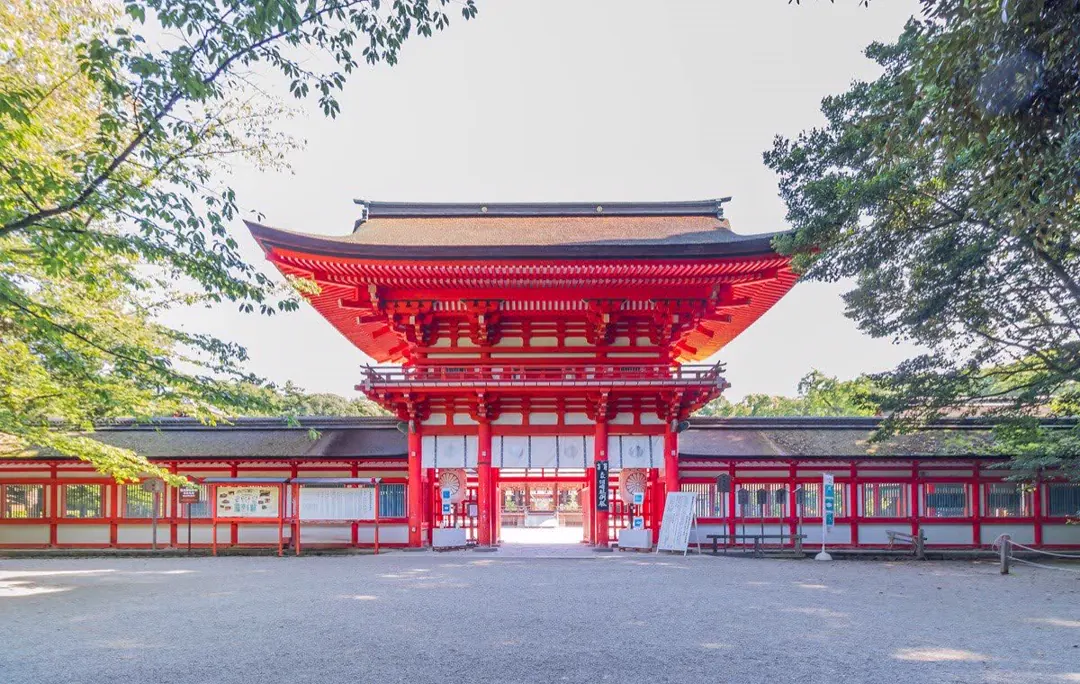
Shrines that govern musubi — the tying of bonds — not only in love, but with people, work, and place.
For wishes likeLove and marriage, rekindled ties, human relationships, professional connections
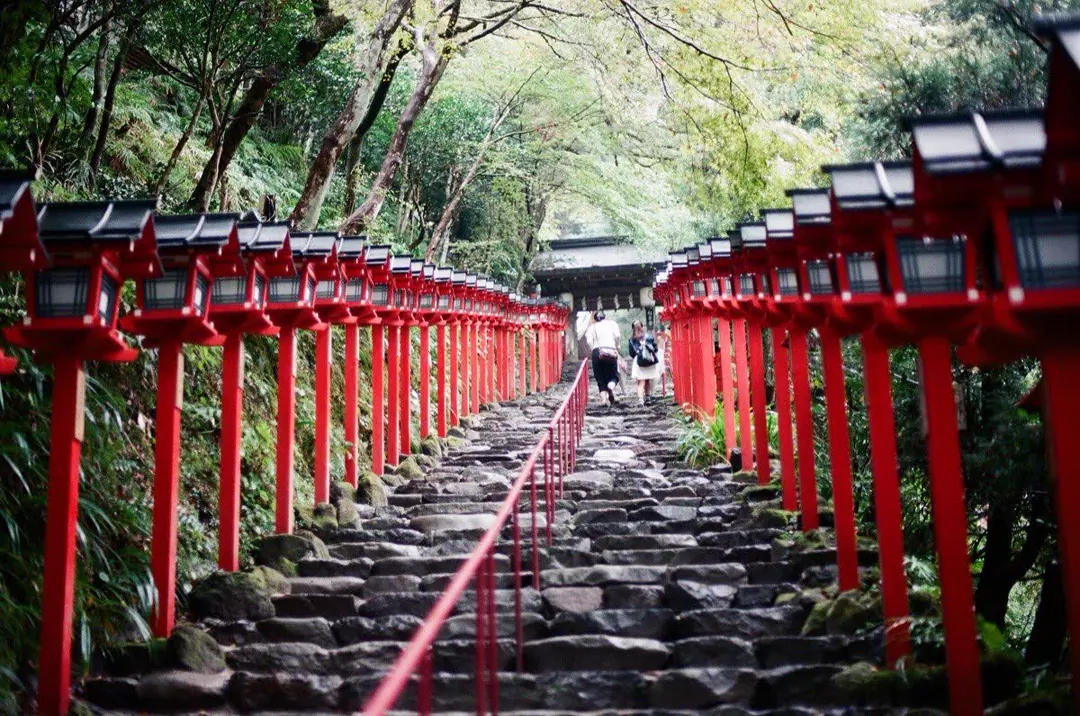
Shrines of the water-governing dragon deities and Okami no Kami, for when the current of your life needs to change.
For wishes likeChange, purification, breaking stagnation, a fresh start, the flow of work and money
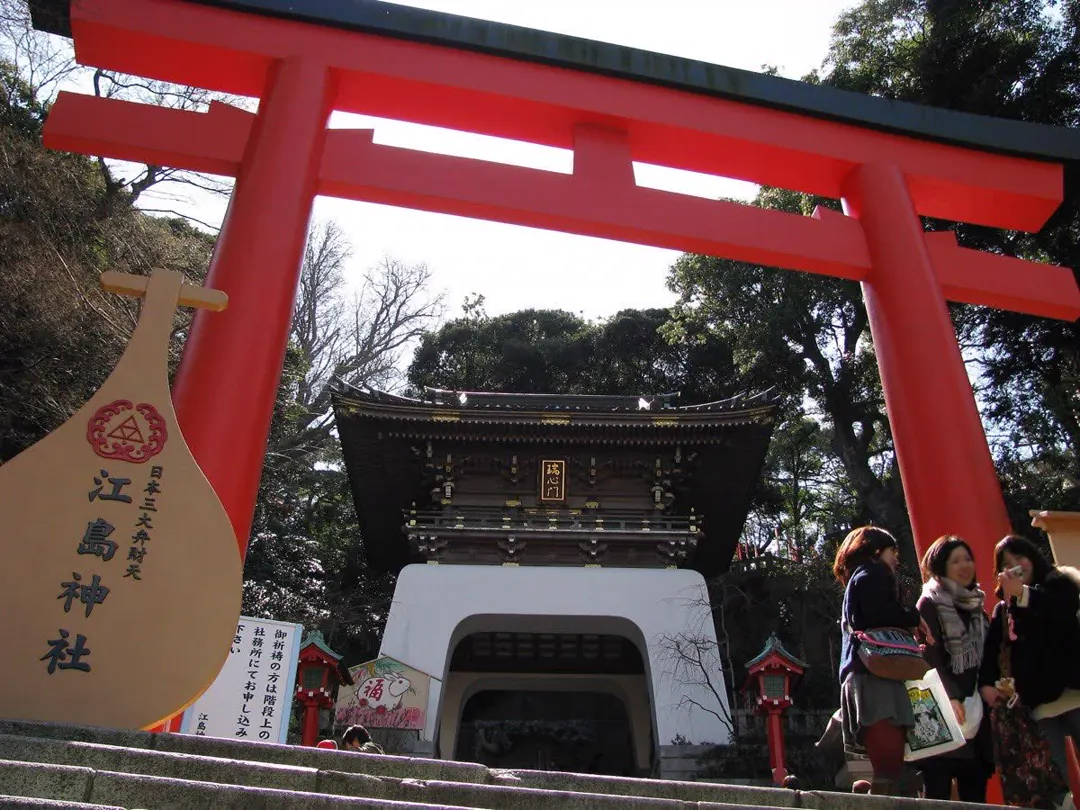
Ichikishima-hime and Benzaiten, enshrined beside the water — deities of artistry, wealth, and talent.
For wishes likeThe arts, music, beauty, the flowering of talent, financial fortune
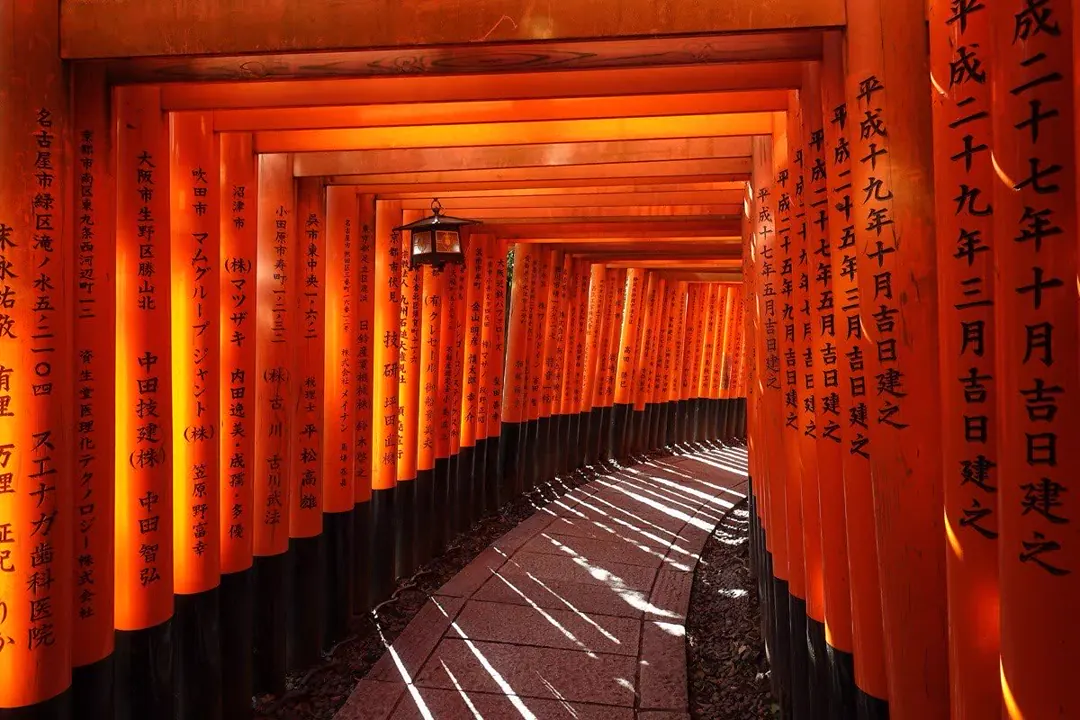
Shrines with deep ties to mines, metals, and commerce, long known for prayers for financial fortune.
For wishes likeMoney luck, thriving business, success in enterprise, the fruits of one's work
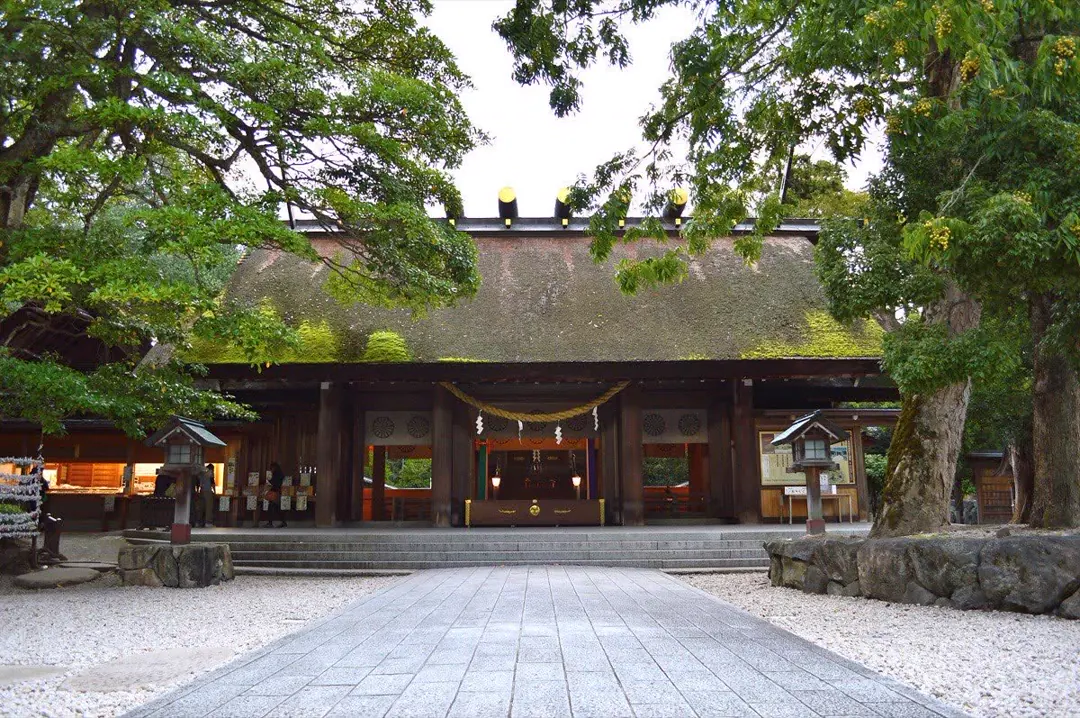
Shrines set on the stage of Japan's founding myths, or bearing the Moto-Ise traditions — origins of the nation's faith.
For wishes likeGreat undertakings, life milestones, returning to one's roots, touching the origins of Japan
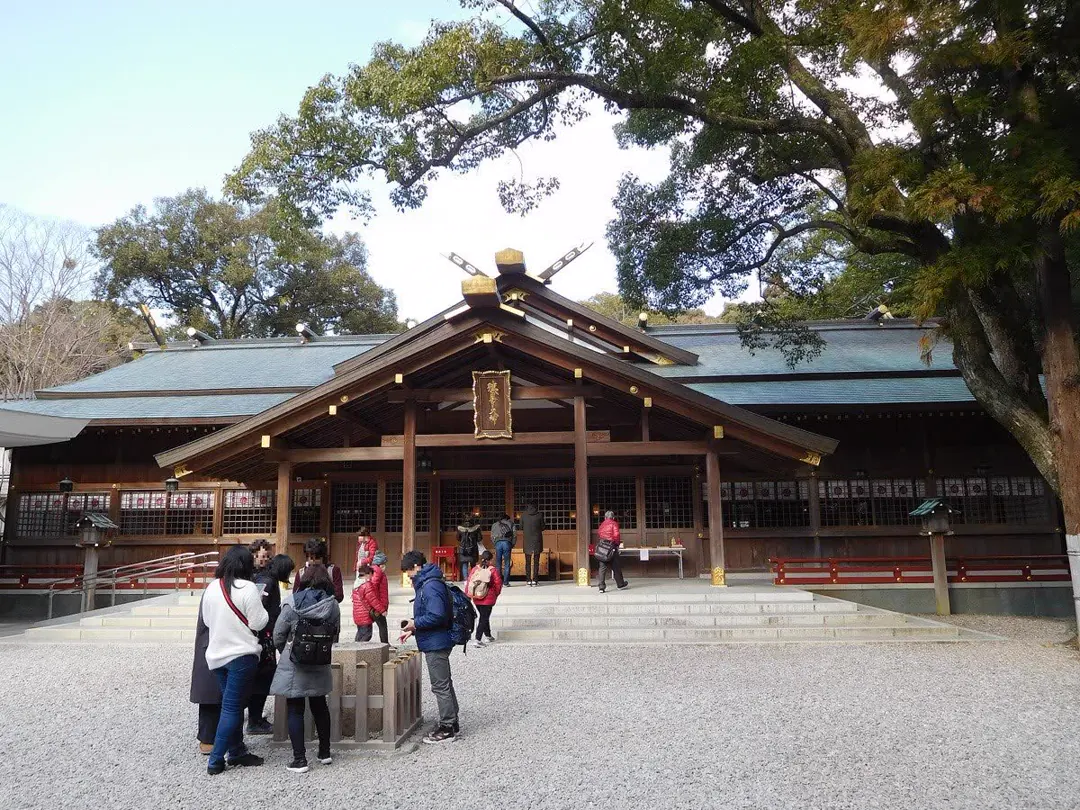
Shrines of Sarutahiko Okami and the crossroad deities, lighting the road at life's turning points.
For wishes likeCareer change, independence, relocation, new beginnings, cutting through indecision
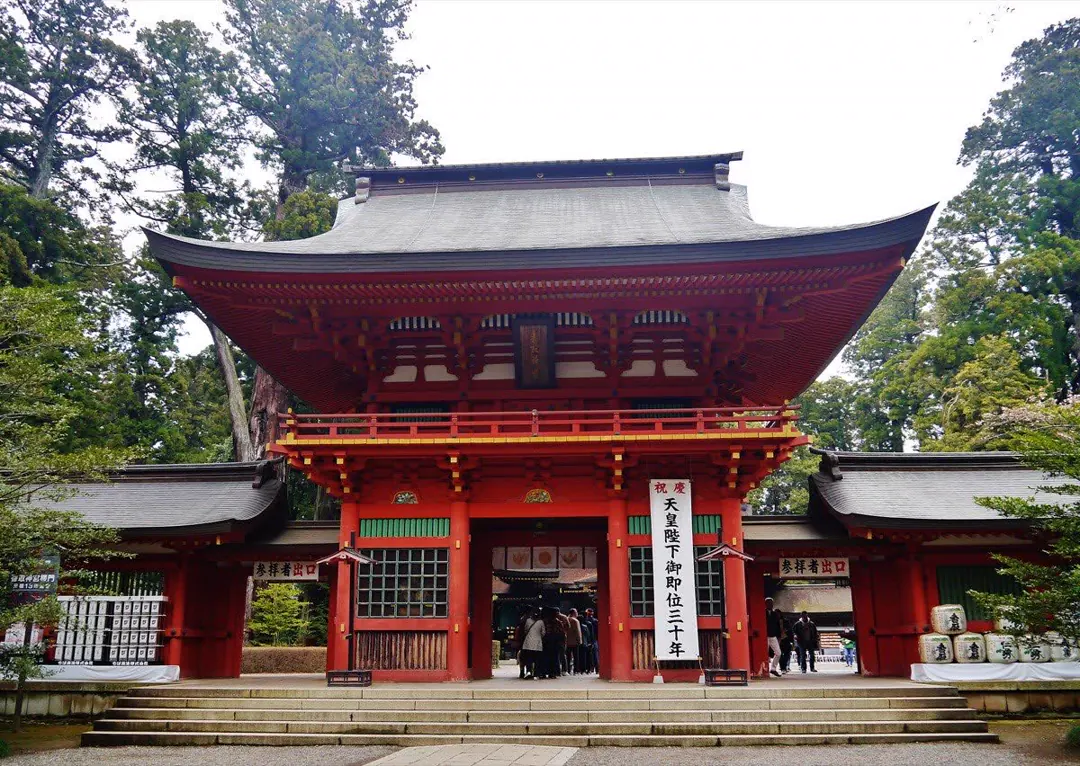
Shrines of warrior deities and gods of advancement, for decisive moments and working fortune.
For wishes likeCareer luck, promotion, examinations, contests, reaching goals
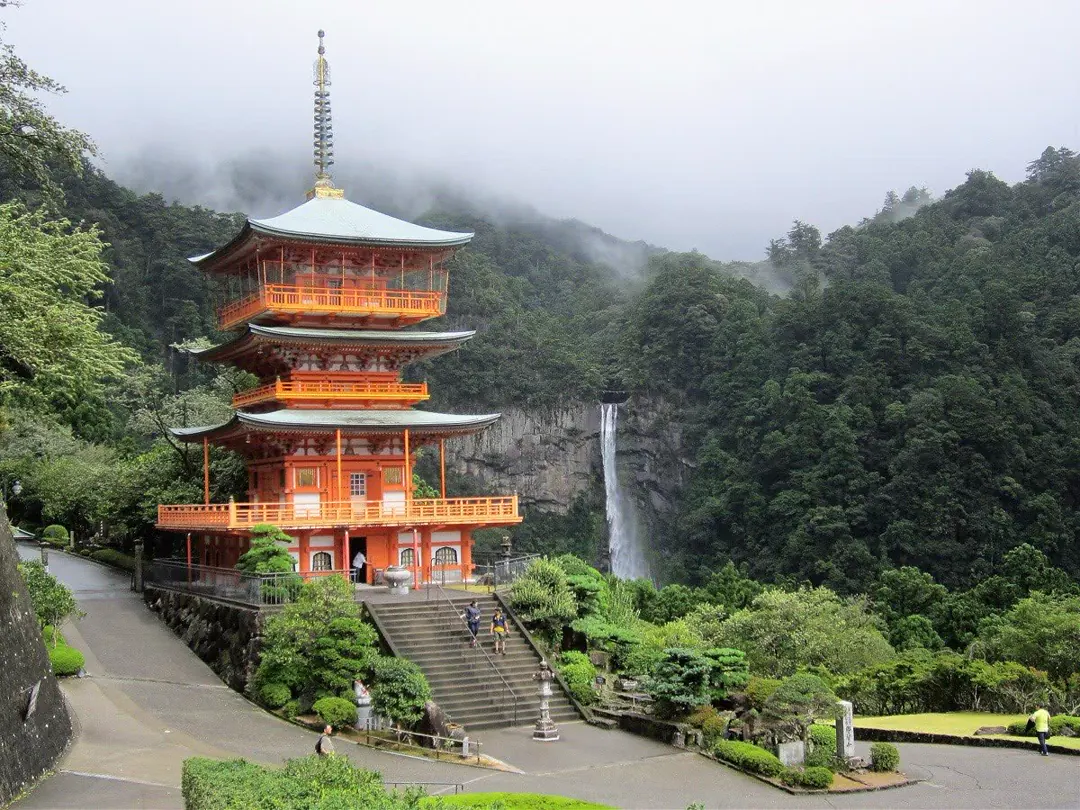
Shrines that sweep away misfortune and rebuild body and spirit — places of revival and new starts.
For wishes likeUnlucky years (yakudoshi), feeling boxed in, rebuilding body and mind, starting over
KyotoKifune Shrine
Head shrine of the water deity, on the banks of the Kifune River.
KyotoFushimi Inari Taisha
The vermilion Senbon Torii — head shrine of all Inari shrines in Japan.
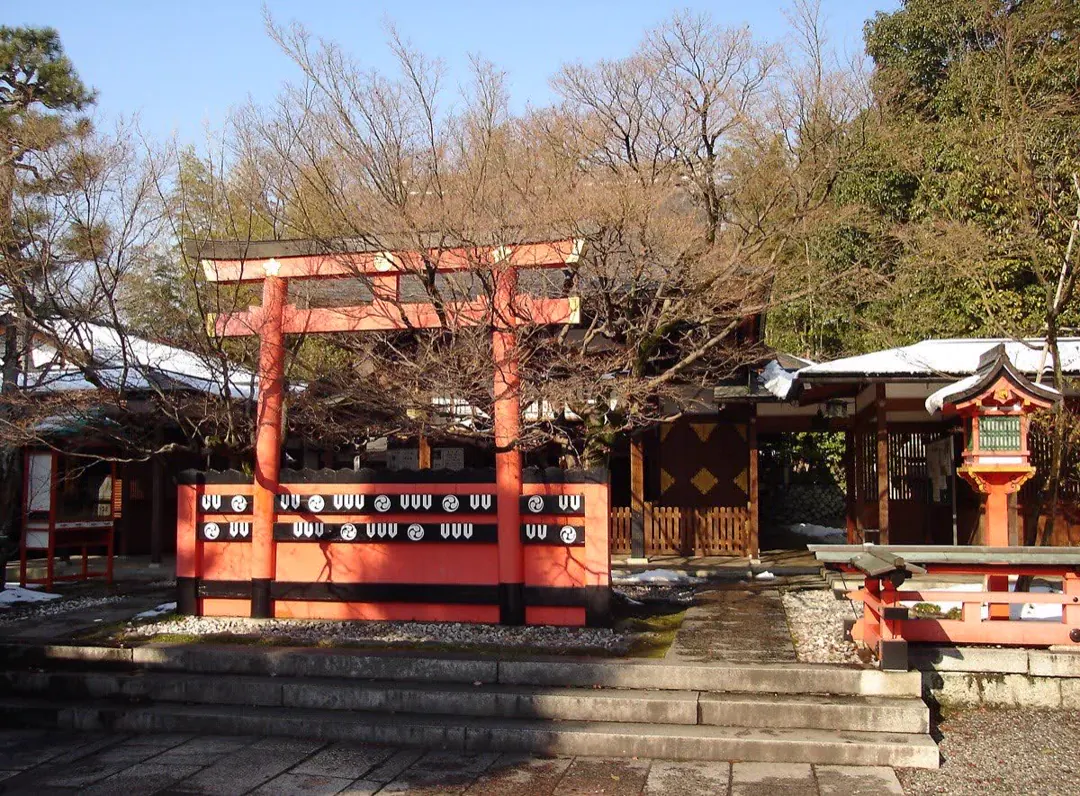 Kyoto
KyotoKurumazaki Shrine
A deity who keeps promises — and the vermilion fence of the performing arts.
KyotoKono Shrine
Moto-Ise: where the gods dwelt before moving to Ise.
 Nara
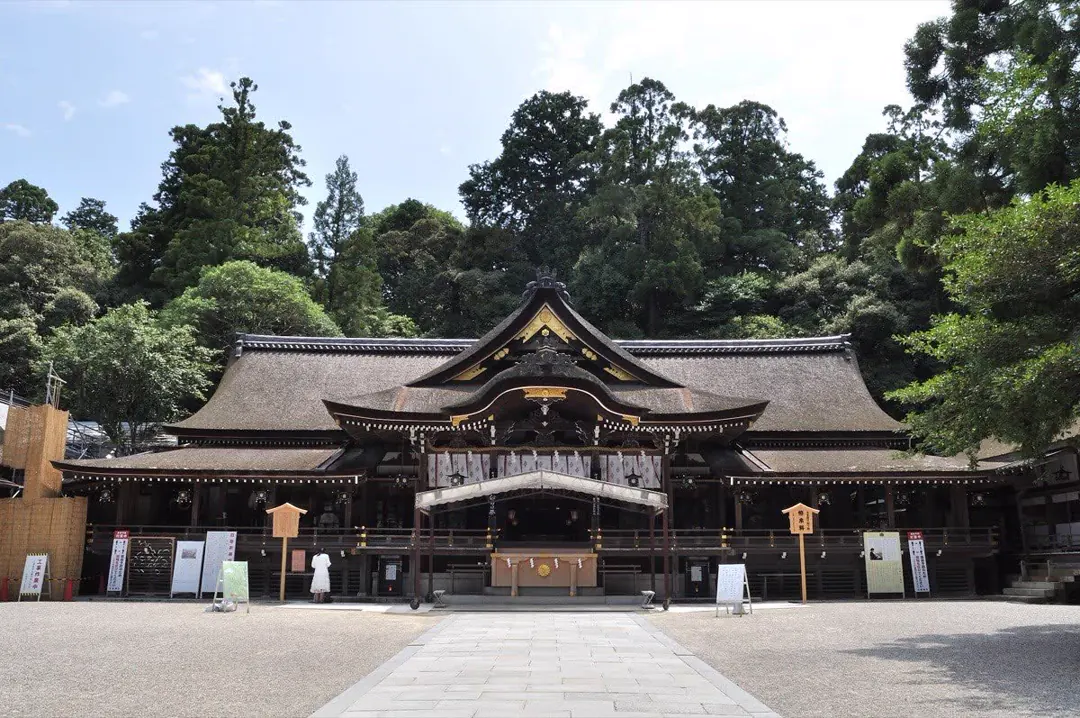
NaraOmiwa Shrine
One of Japan's oldest shrines, whose sacred body is Mount Miwa itself.
 Nara
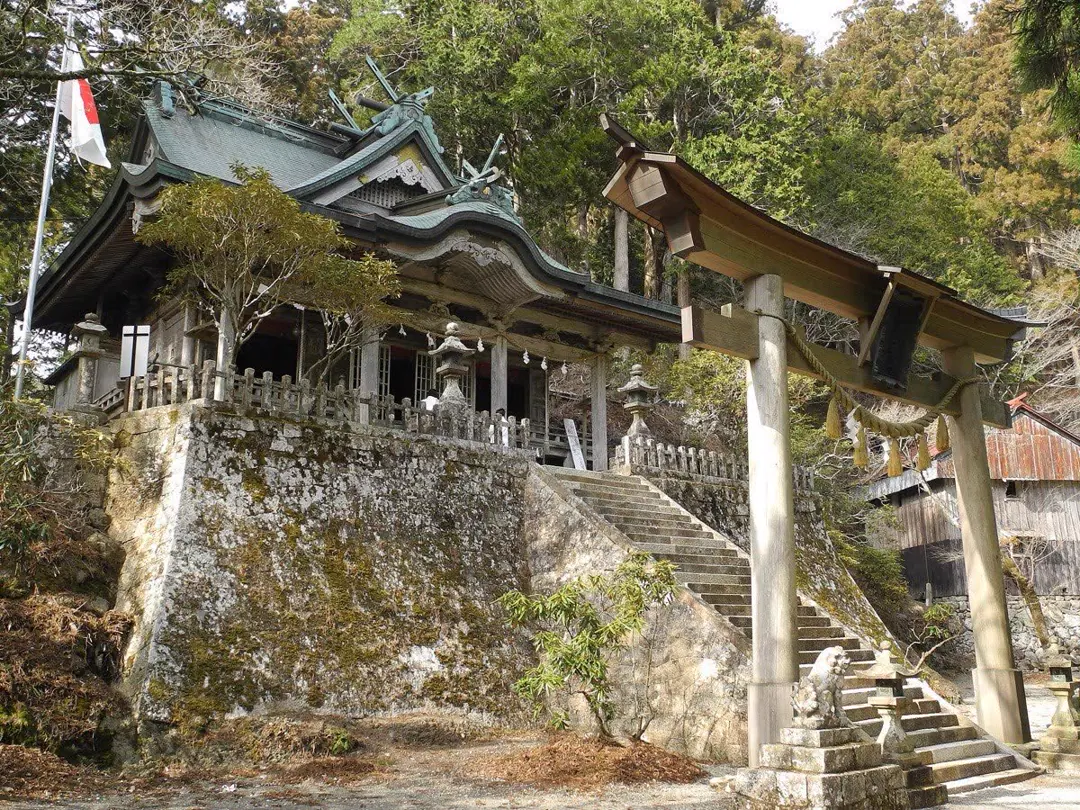
NaraTamaki Shrine
The inner sanctuary said to be reached only by those who are called.
 Nara
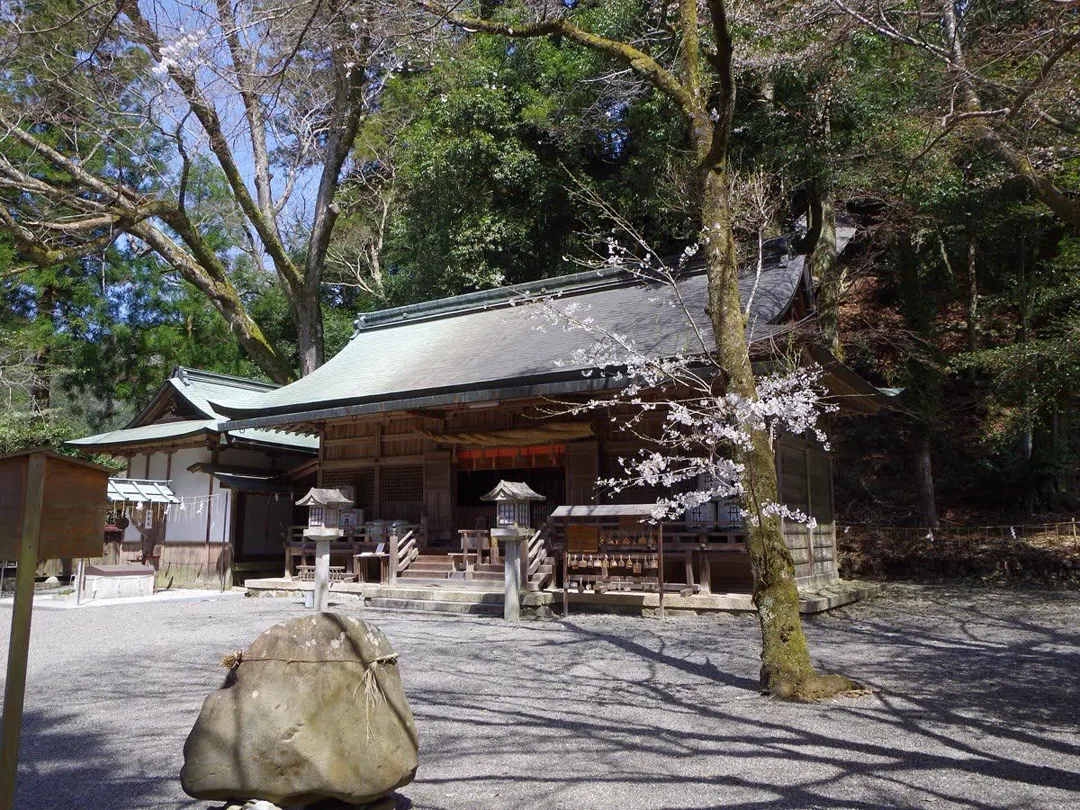
NaraNiukawakami Shrine Shimosha (Lower Shrine)
A shrine of the water deity, where sacred white and black horses greet you.
 Nara
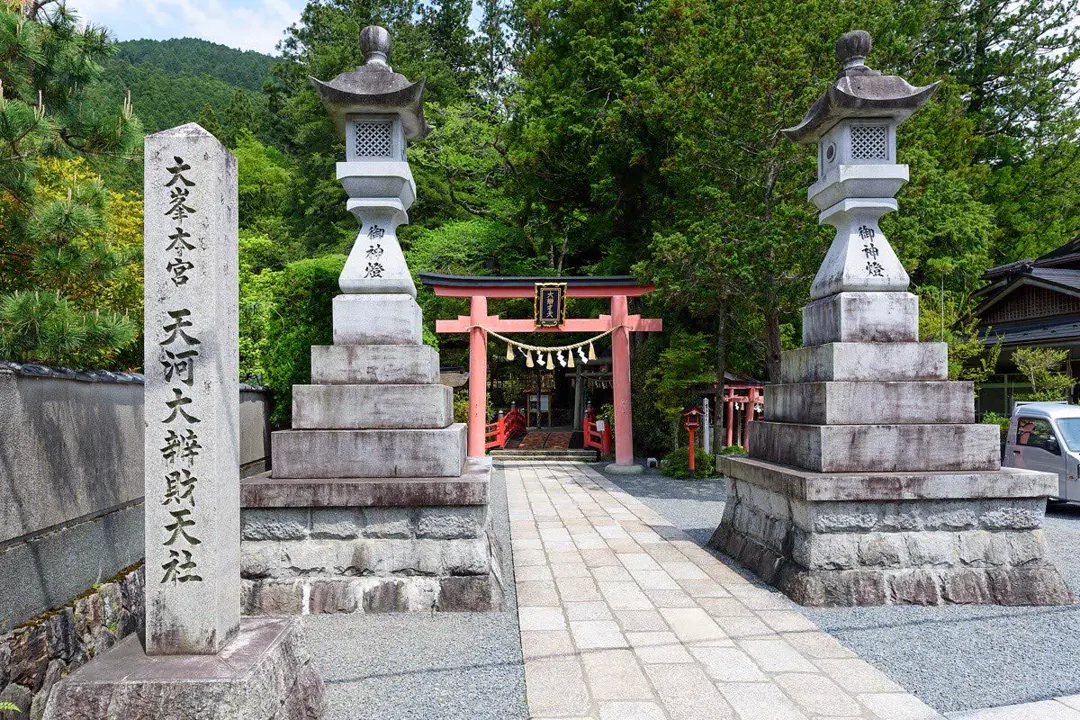
NaraTenkawa Daibenzaiten Shrine
The Benzaiten of the performing arts, worshipped to the sound of the Isuzu bells.
 Mie
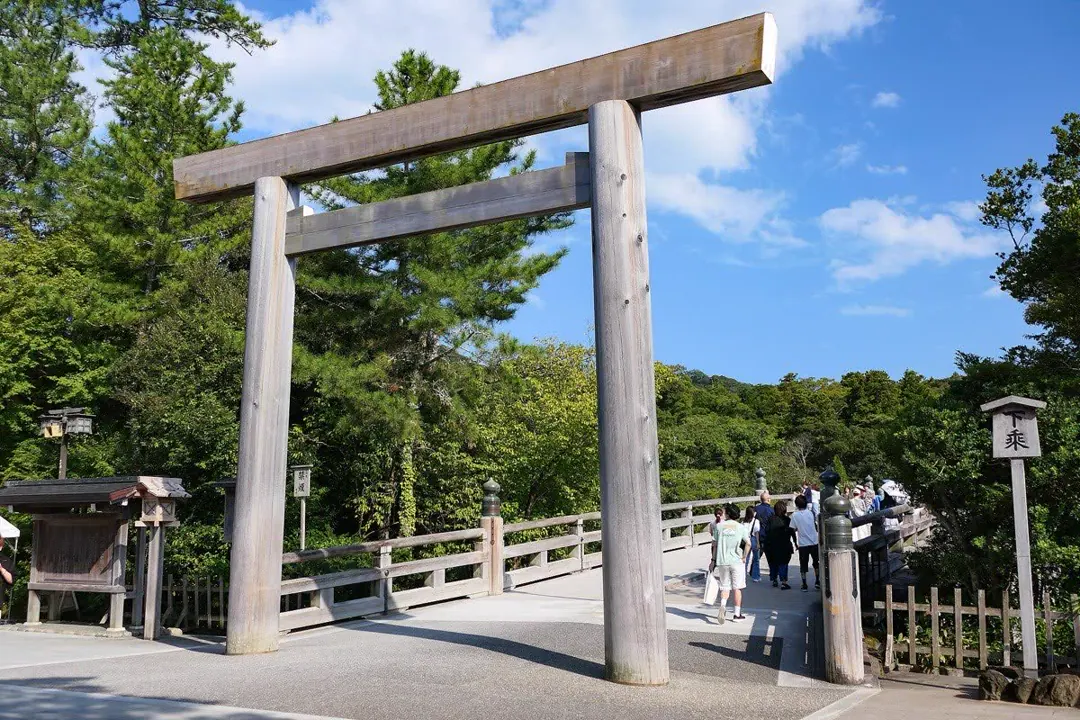
MieIse Jingu
From the Outer Shrine to the Inner — two thousand years of prayer.
The deities enshrined at Japan's shrines are the figures of its myths. Read the tales of the Kojiki and Nihon Shoki, each with a guide to the shrines connected to it — once you know the story, a shrine visit becomes its continuation.
The Parting of Heaven and Earth and the Three Deities of Creation — The Three Pillars of the Beginning
At the beginning, when heaven and earth parted, three deities appeared in Takamanohara: Ame-no-Minakanushi no Kami, Takamimusuhi no Kami, and Kamimusuhi no Kami. The story of the Three Deities of Creation — hitorigami (single deities) who showed no form and straightway hid themselves, yet are revered as the wellspring from which all things are born.
Kuniumi, the Birth of the Land — Izanagi and Izanami
At the beginning of heaven and earth, the two gods Izanagi no Mikoto and Izanami no Mikoto stirred the sea with the jeweled spear of heaven and descended upon the island of Onogoro. The creation story in which the wedded gods bore the islands of Japan, beginning with Awaji, and a multitude of deities.
The Land of Yomi and the Purification — The Birth of the Three Noble Children
Izanagi no Mikoto went down to the land of Yomi in pursuit of his departed wife. Fleeing from her changed form, he spoke an eternal farewell at the slope of Yomotsu Hirasaka. A story of renewal, in which the purification that cleanses defilement gives birth to the three noble children: Amaterasu Ōmikami, Tsukuyomi no Mikoto, and Susanoo no Mikoto.