Moto-Ise & Mythology
Shrines set on the stage of Japan's founding myths, or bearing the Moto-Ise traditions — origins of the nation's faith.
For wishes likeGreat undertakings, life milestones, returning to one's roots, touching the origins of Japan
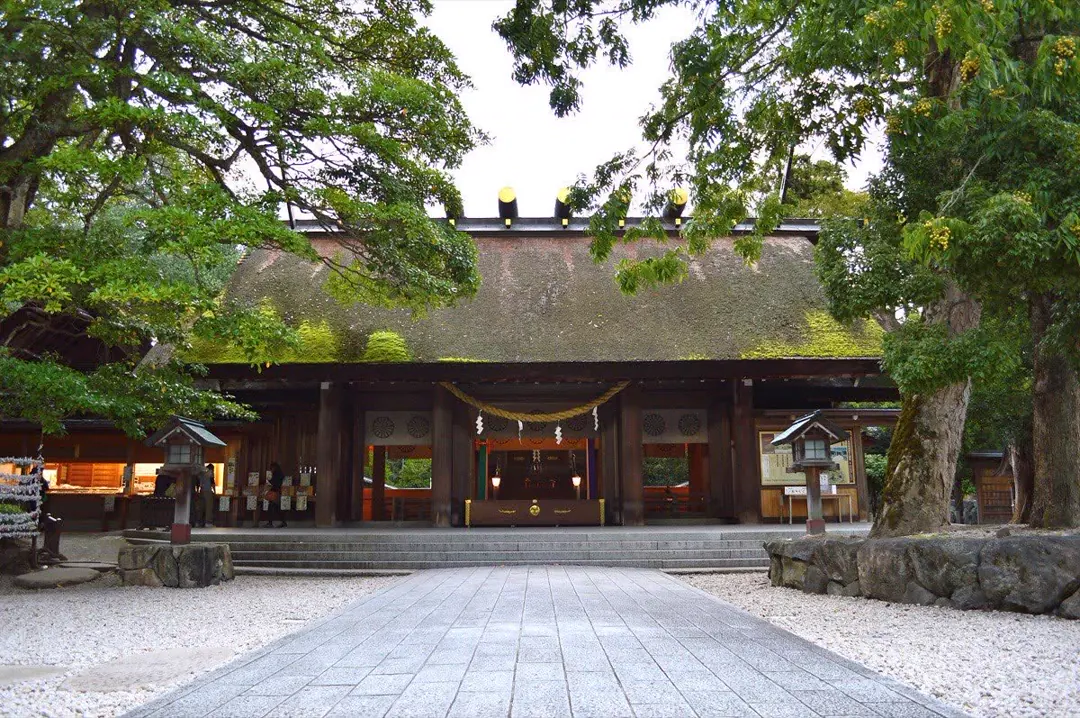 Kyoto
KyotoKono Shrine
Moto-Ise: where the gods dwelt before moving to Ise.
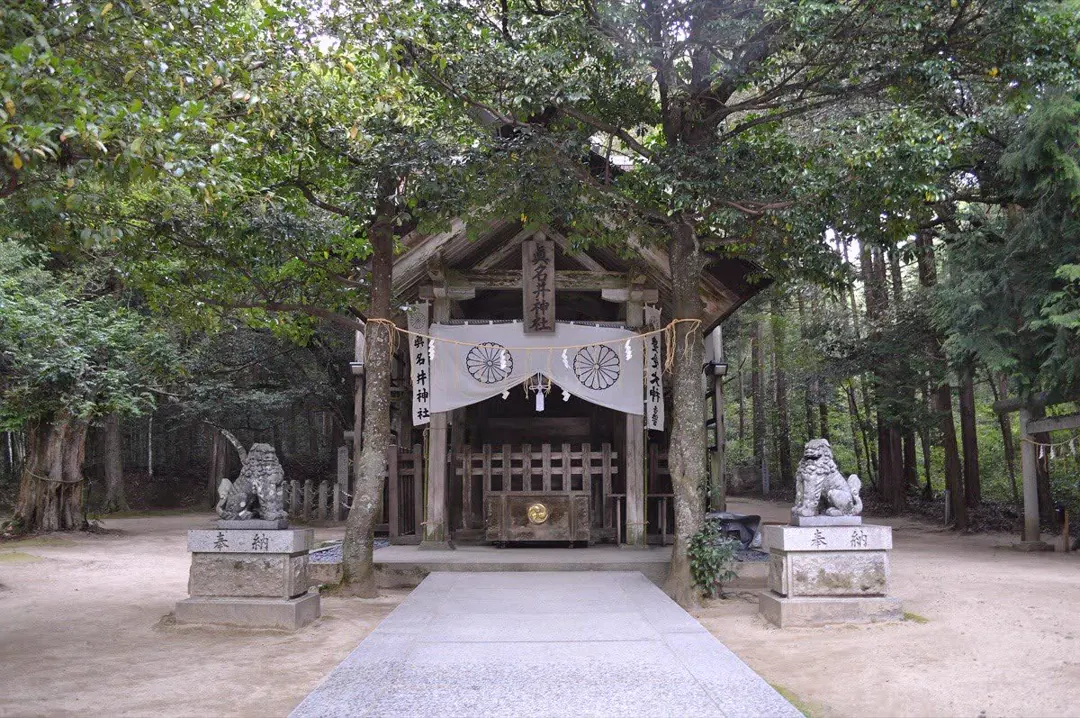 Kyoto
KyotoManai Shrine
Inner shrine of Kono Shrine, where sacred rocks carry prayers from the earliest age.
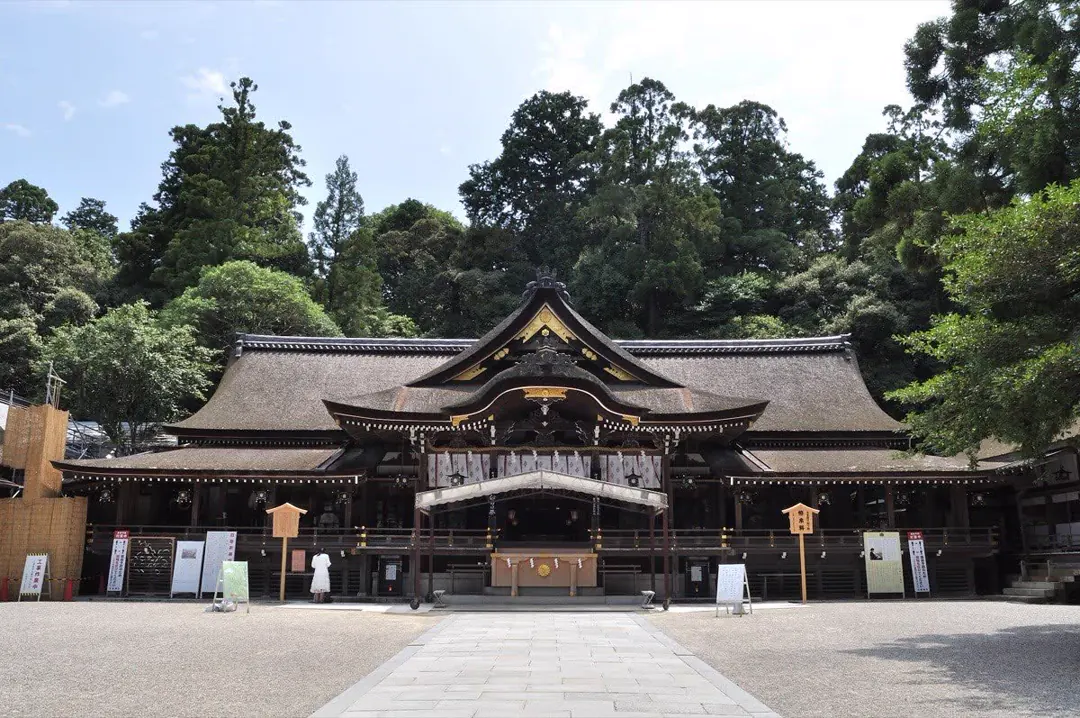 Nara
NaraOmiwa Shrine
One of Japan's oldest shrines, whose sacred body is Mount Miwa itself.
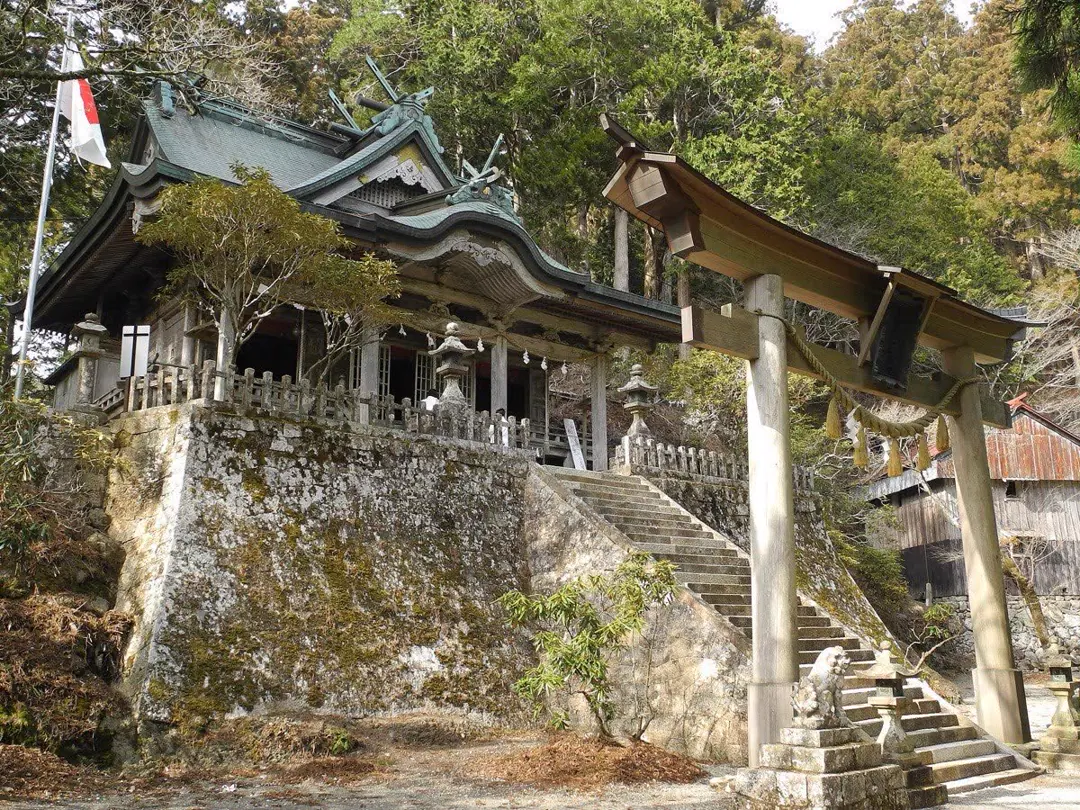 Nara
NaraTamaki Shrine
The inner sanctuary said to be reached only by those who are called.
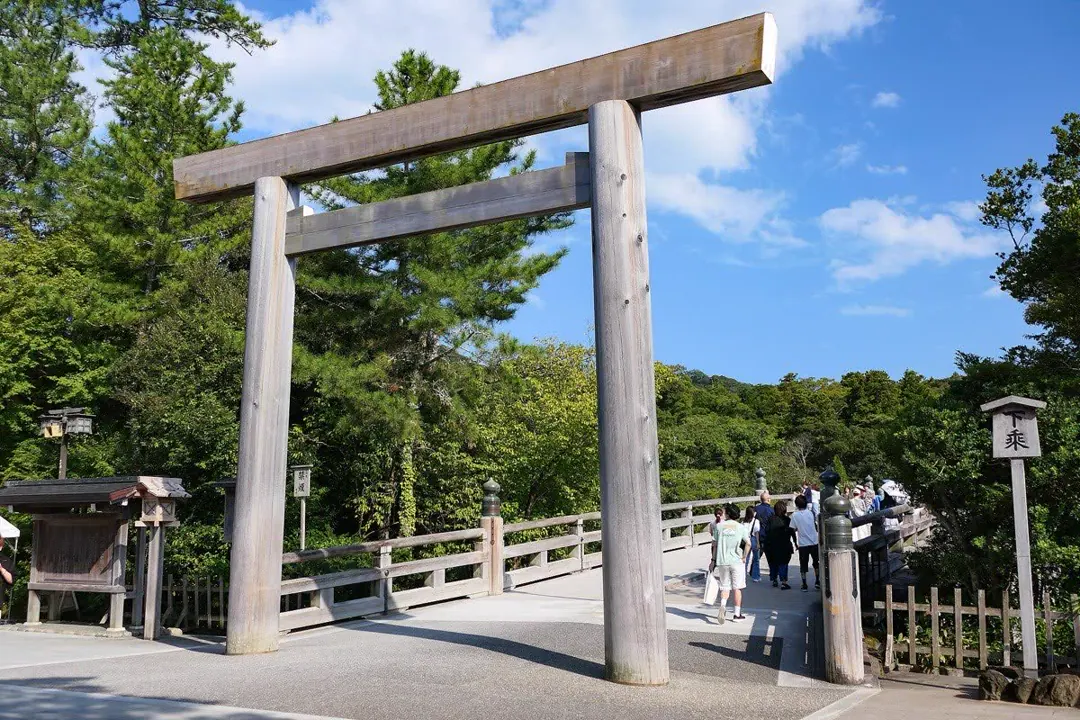 Mie
MieIse Jingu
From the Outer Shrine to the Inner — two thousand years of prayer.
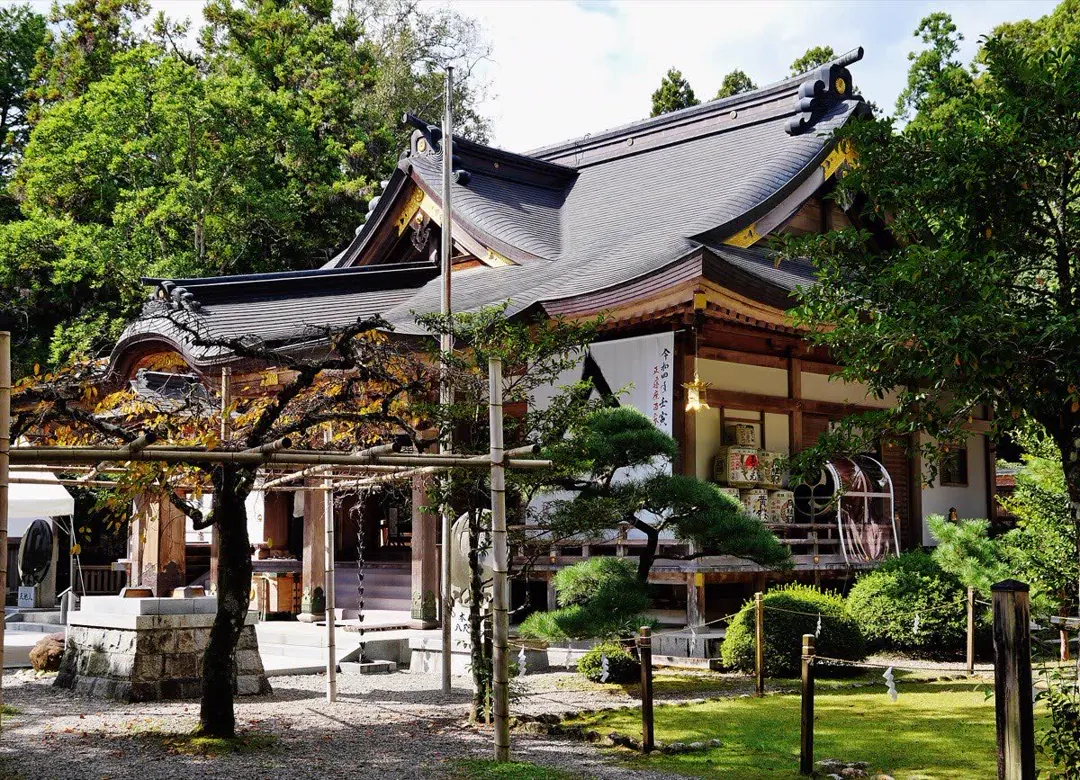 Wakayama
Kumano Hongu Taisha
Sacred ground of rebirth — the heart of the three grand shrines of Kumano.
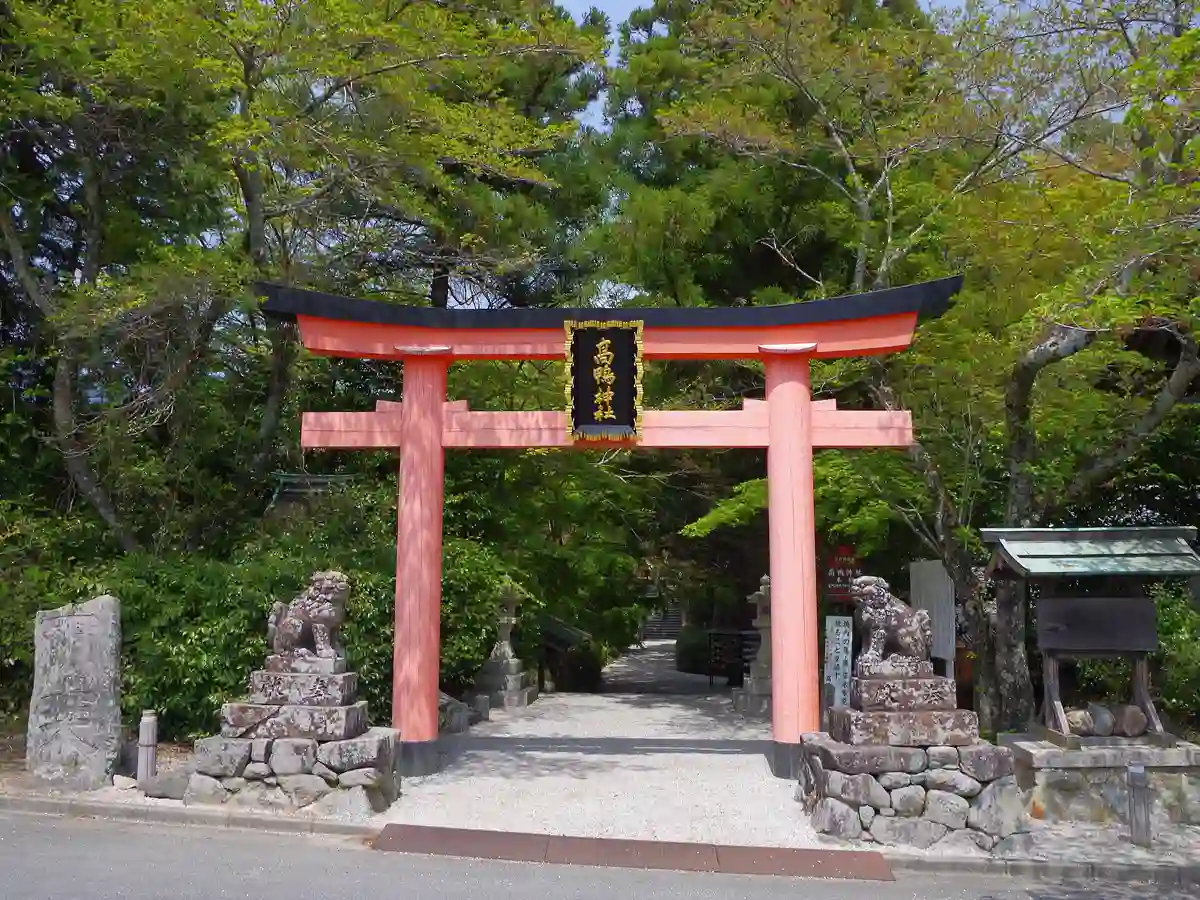 Nara
NaraTakakamo Shrine
Birthplace of the Kamo clan and the ancestral shrine of Kamo shrines nationwide.
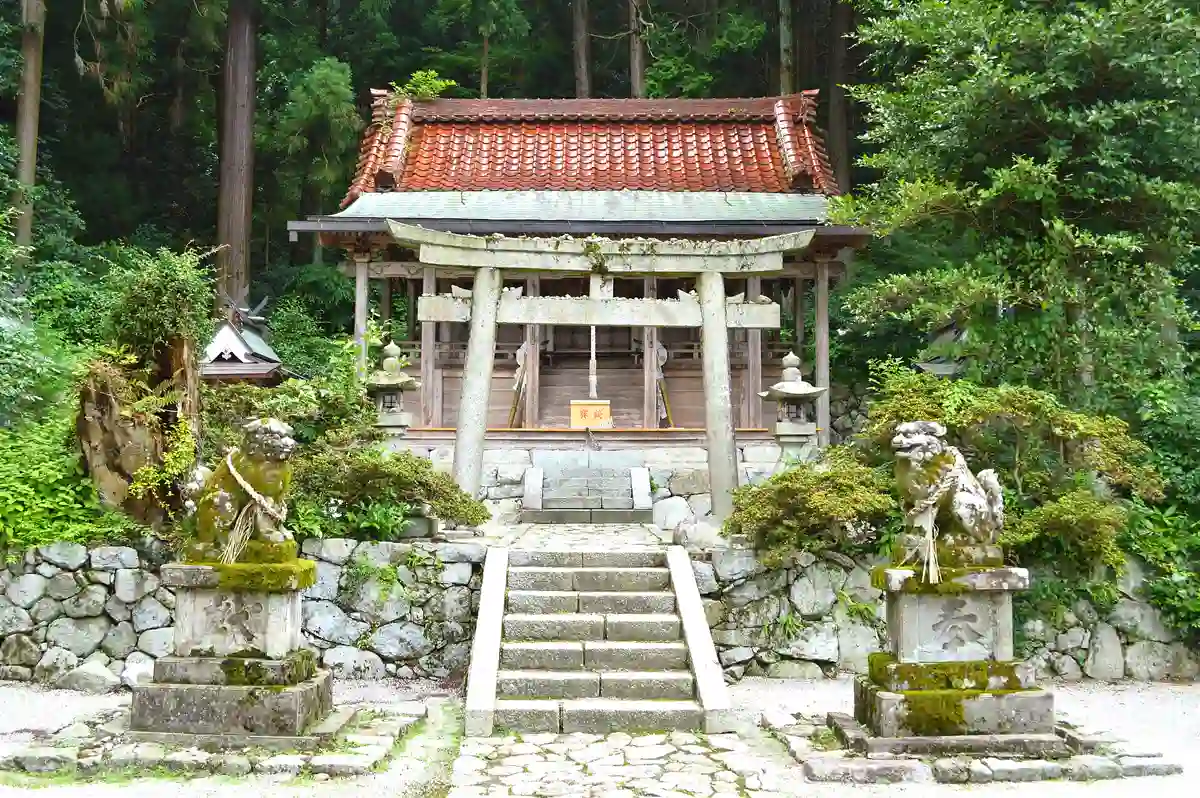 Nara
NaraTakamahiko Shrine
Shrine of the musubi deity, in a place handed down as Takamagahara, the High Plain of Heaven.
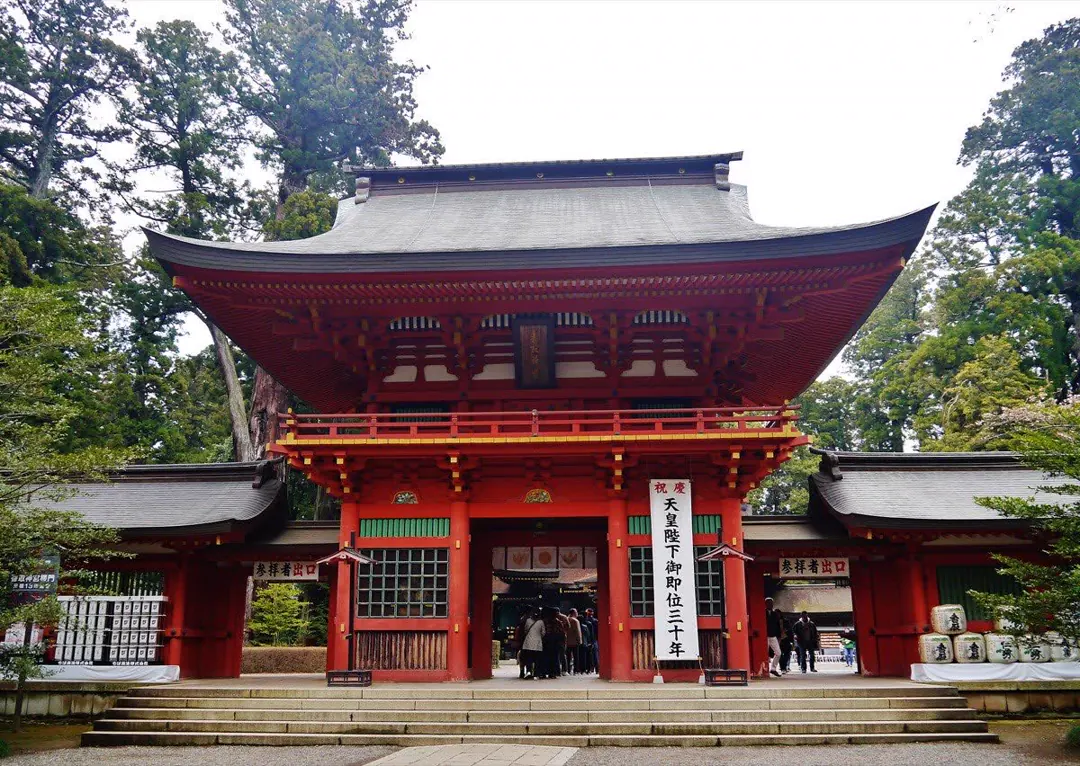 Chiba
ChibaKatori Jingu
First shrine of old Shimosa Province, enshrining Futsunushi no Okami — one of the Three Shrines of the East.
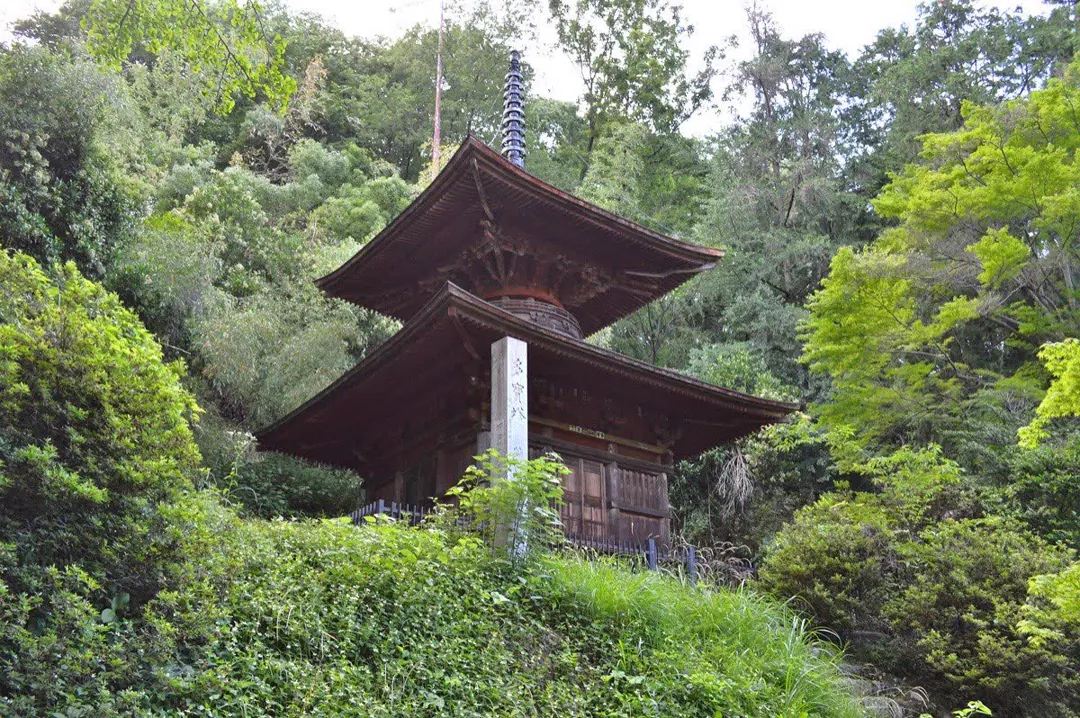 Saitama
Kanasana Shrine
Second shrine of old Musashi Province — a sanctuary with no main hall, where the mountain itself is worshipped.
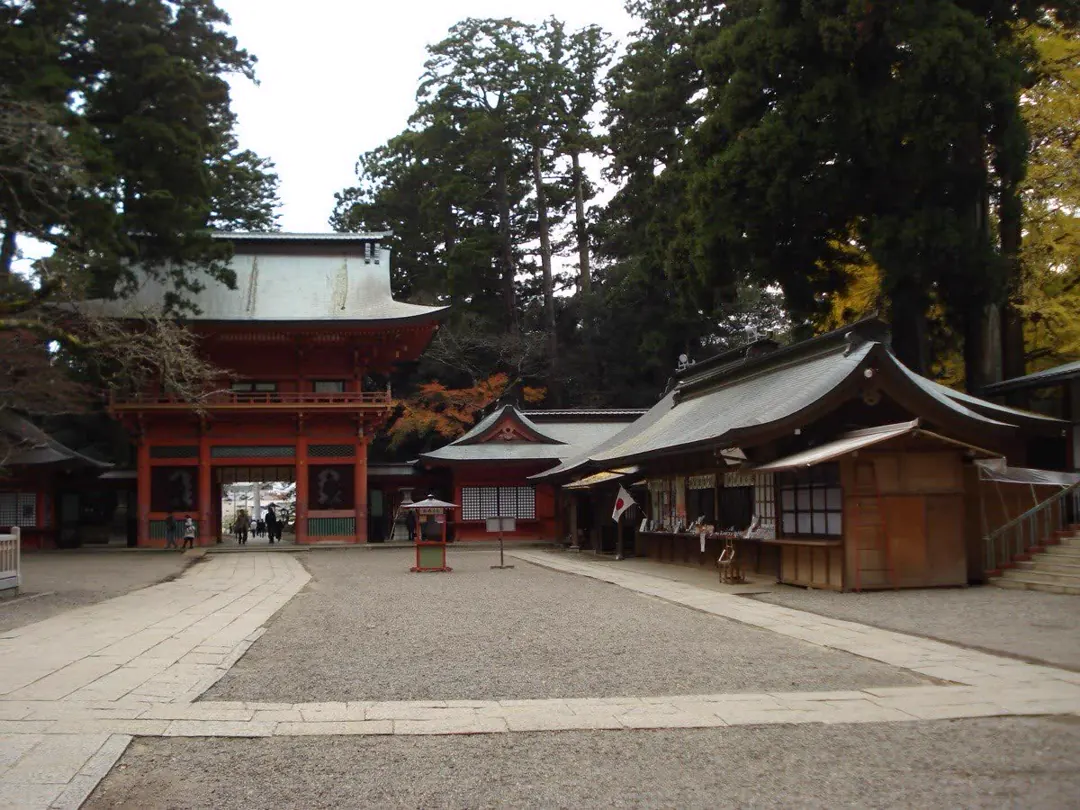 Ibaraki
Kashima Jingu
First shrine of old Hitachi Province, enshrining Takemikazuchi — the shrine of "kashima-dachi," the setting forth on a journey.
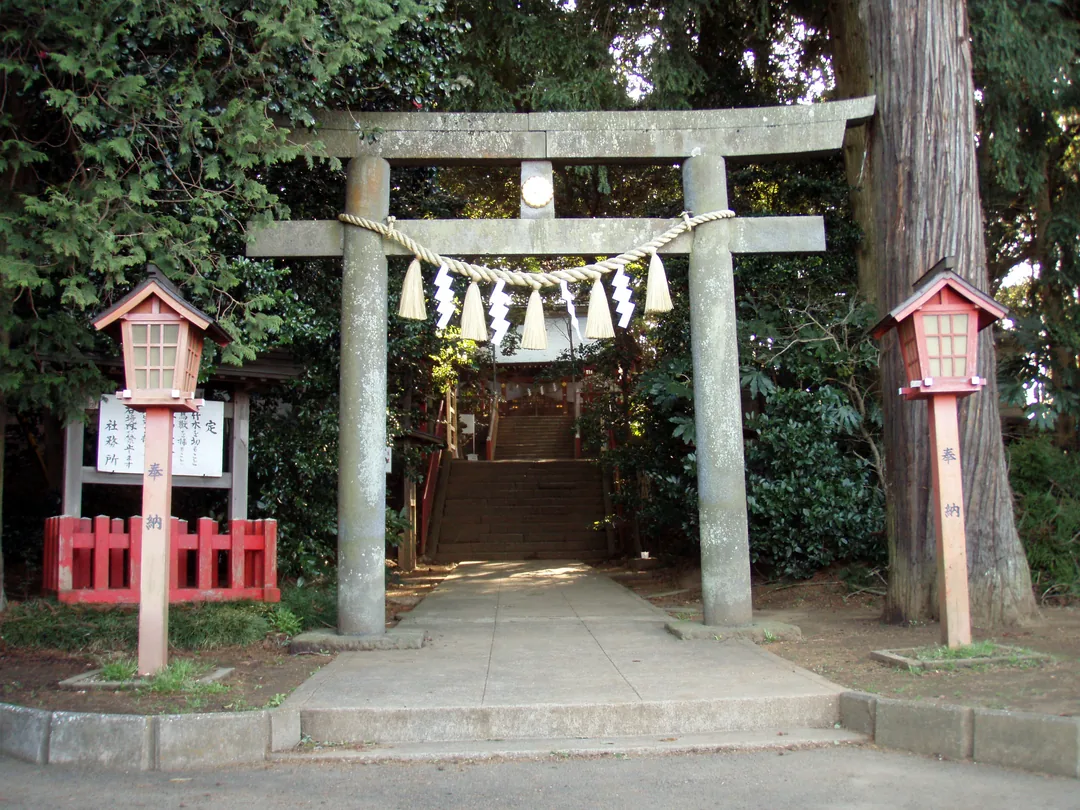 Chiba
ChibaMakata Shrine
A shrine of the deity of musuhi, home to the largest cryptomeria in eastern Japan.
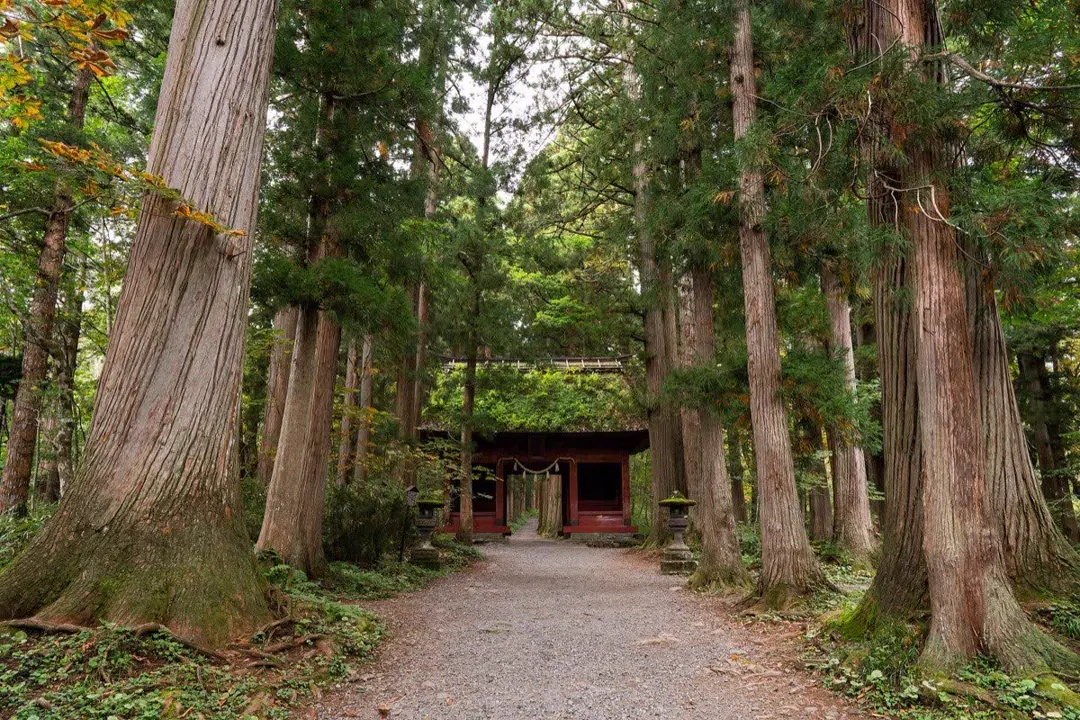 Nagano
Togakushi Shrine
Five shrines beneath a sacred peak, enshrining the gods who opened the Rock Cave of Heaven.
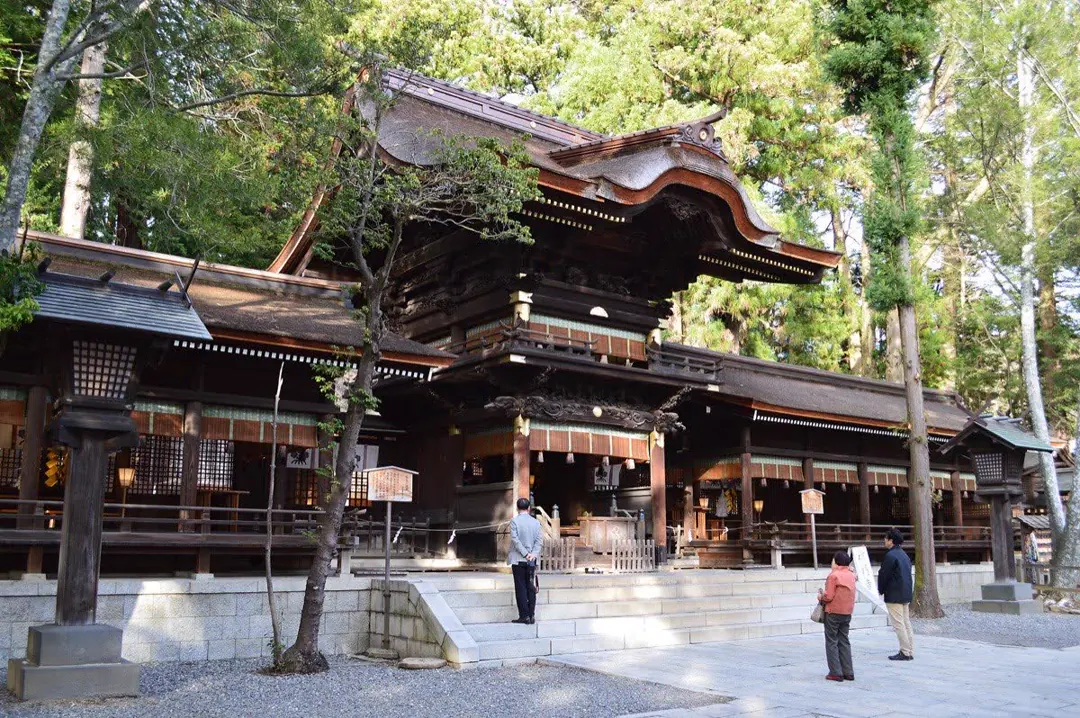 Nagano
Suwa Taisha
Head shrine of all Suwa shrines in Japan, famed for the Onbashira Festival.
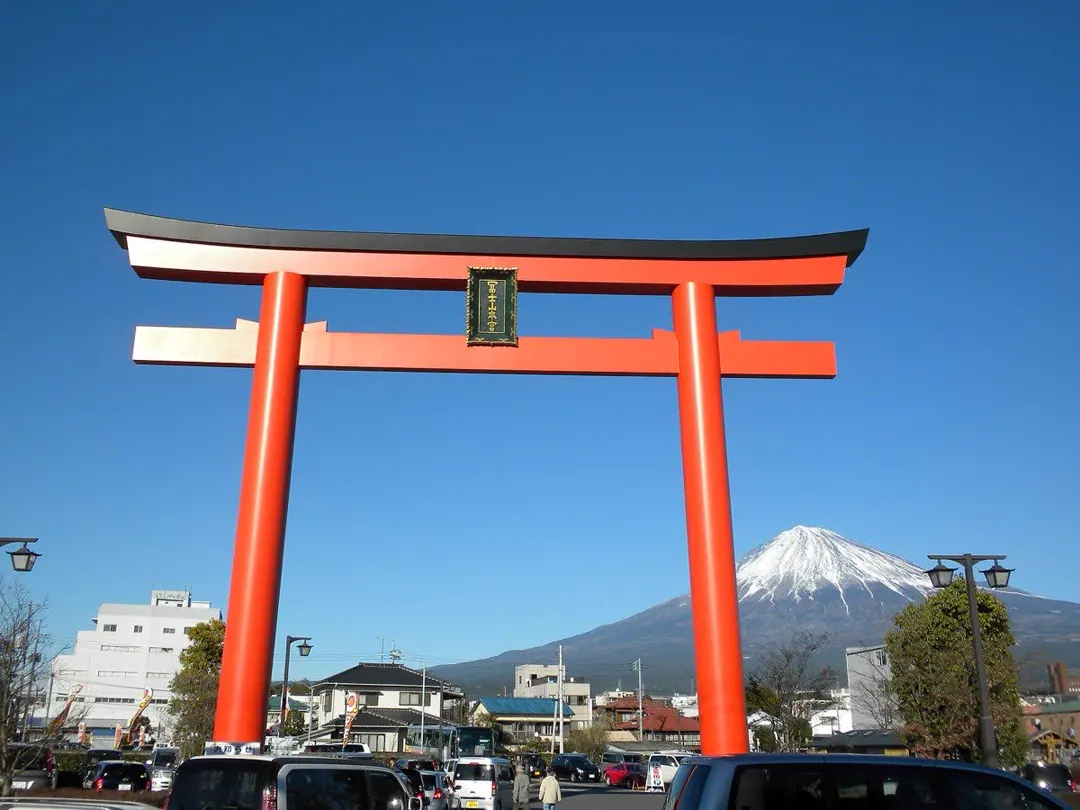 Shizuoka
Fujisan Hongu Sengen Taisha
Head shrine of all Sengen shrines, where Mount Fuji itself is worshipped.
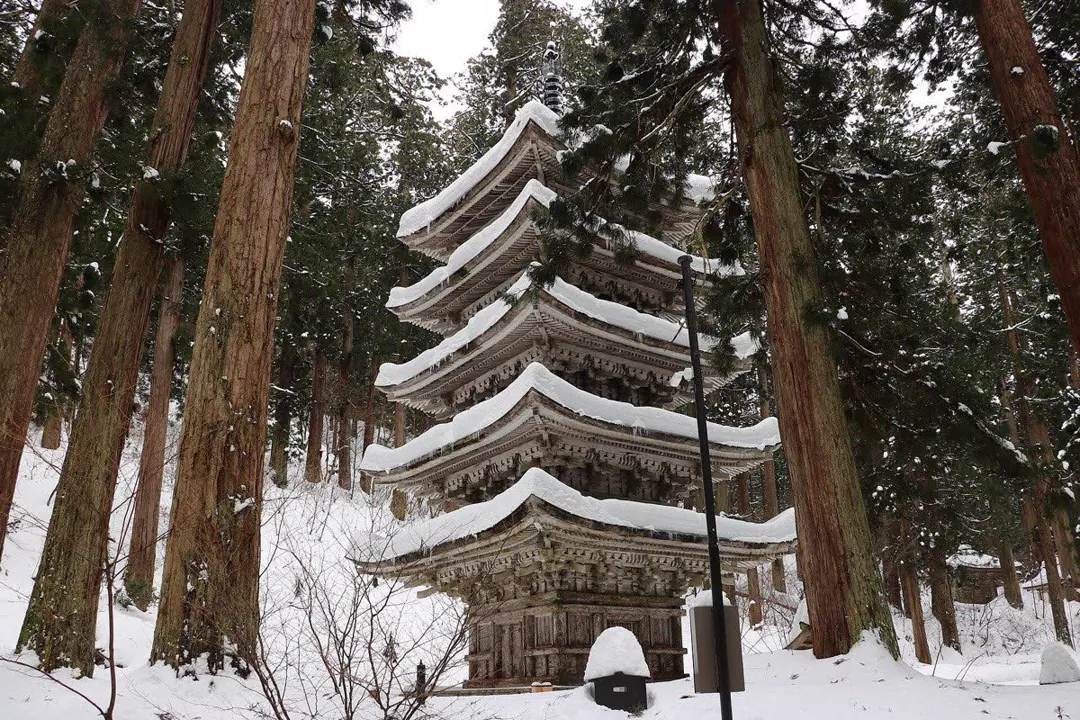 Yamagata
Dewa Sanzan Shrine
Haguro, Gassan, Yudono — a journey of rebirth across three sacred mountains.
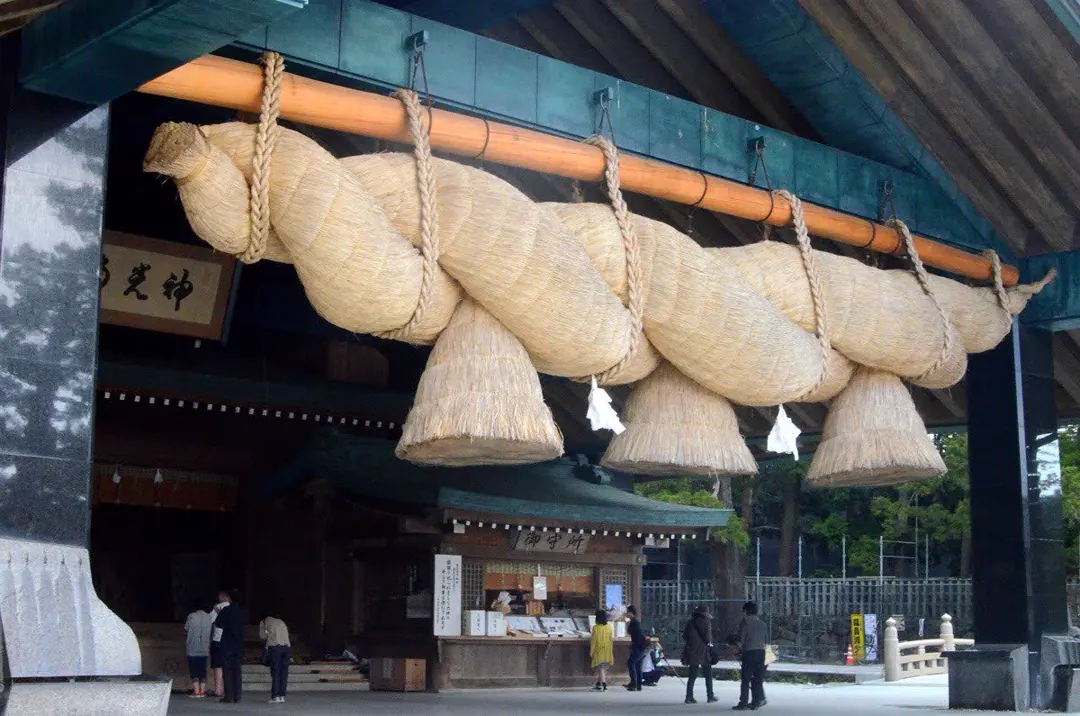 Shimane
Izumo Oyashiro (Izumo Grand Shrine)
The grand shrine of en-musubi, where the myriad gods of Japan gather.
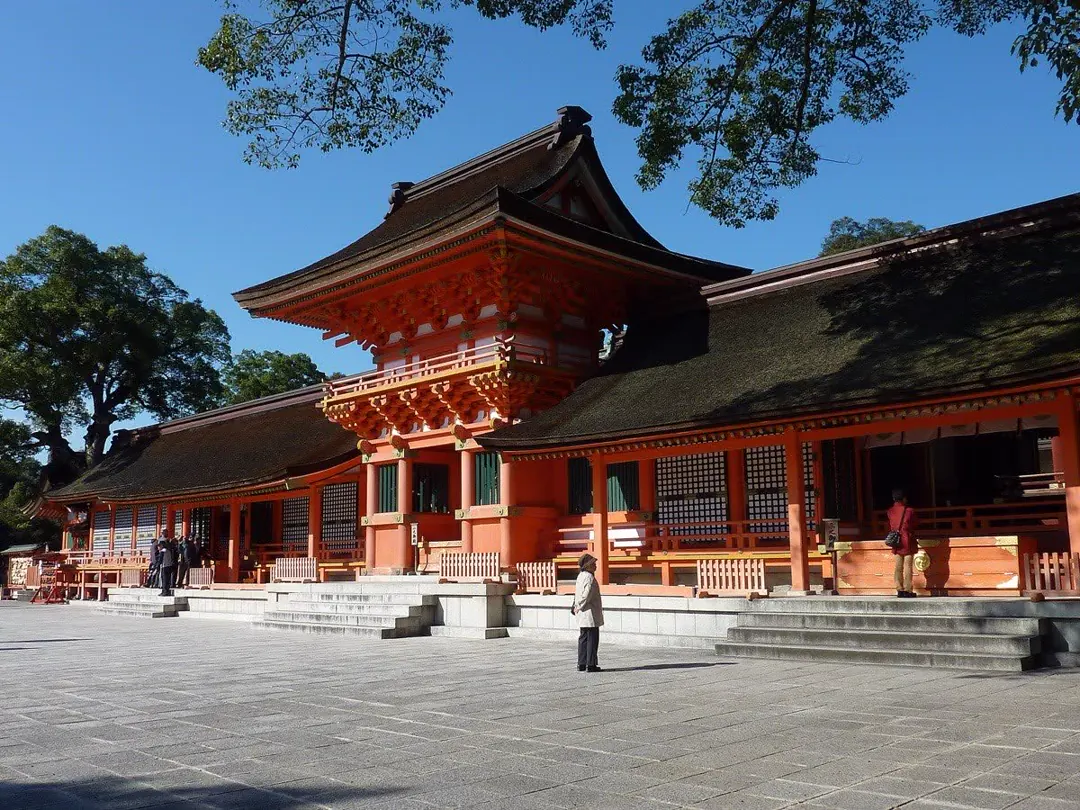 Oita
OitaUsa Jingu
Head shrine of Hachiman, honored at forty thousand shrines nationwide.
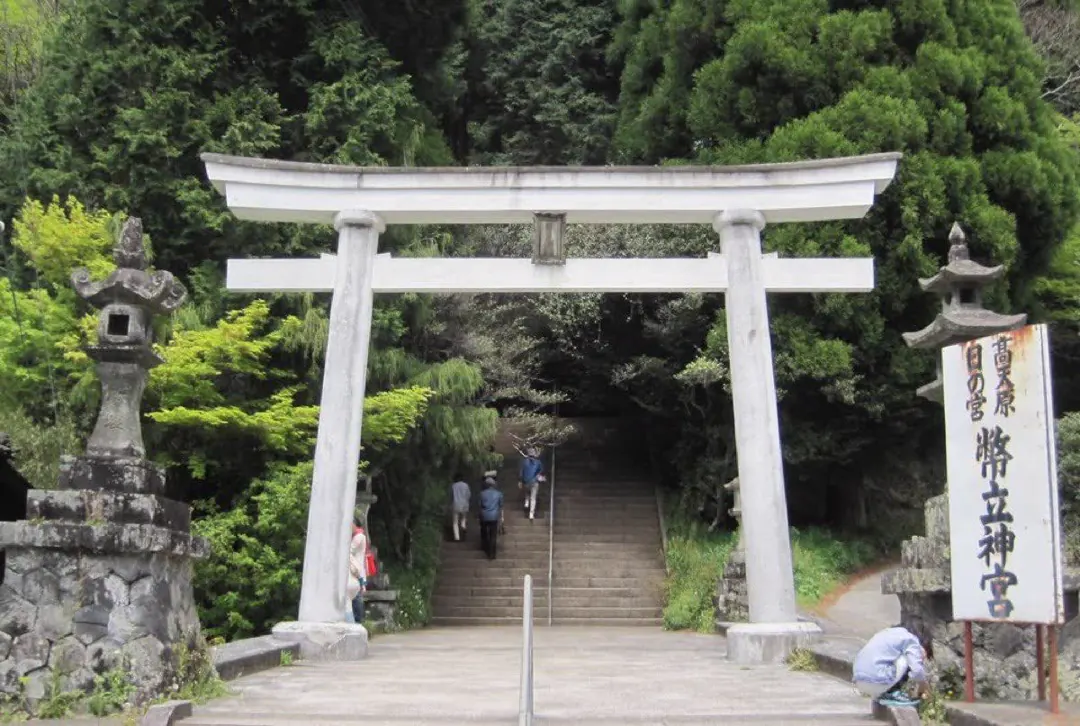 Kumamoto
Heitate Jingu
A hidden sanctuary of Kyushu, keeper of the Takamagahara legend.
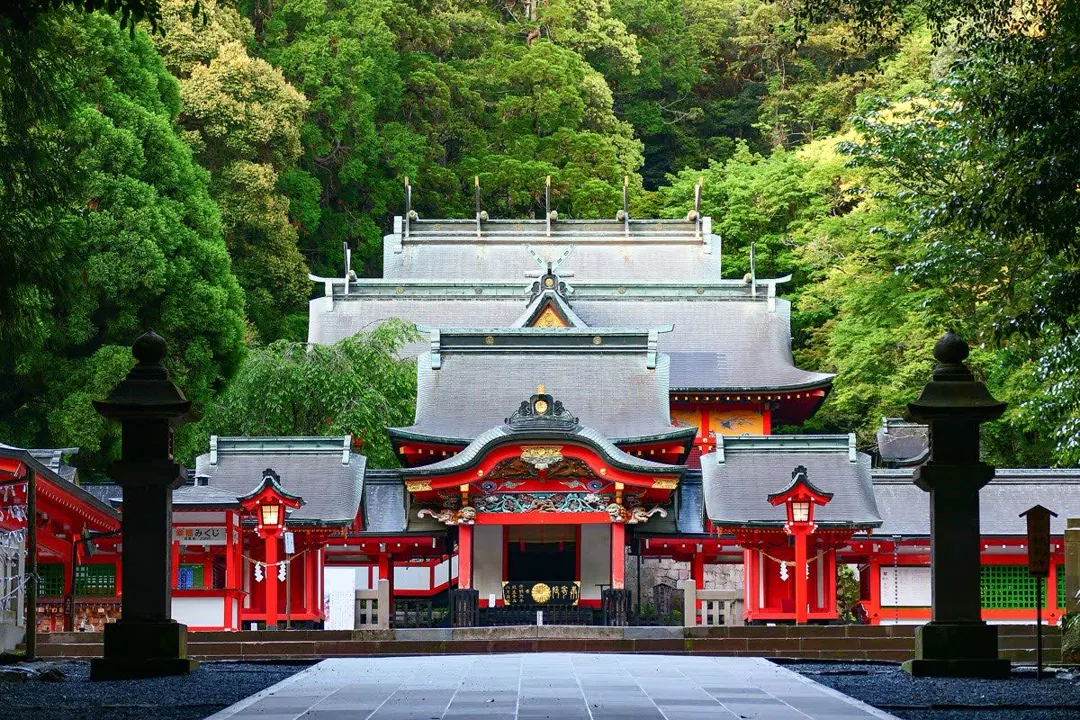 Kagoshima
Kirishima Jingu
A National Treasure shrine beneath the peak of the heavenly descent.
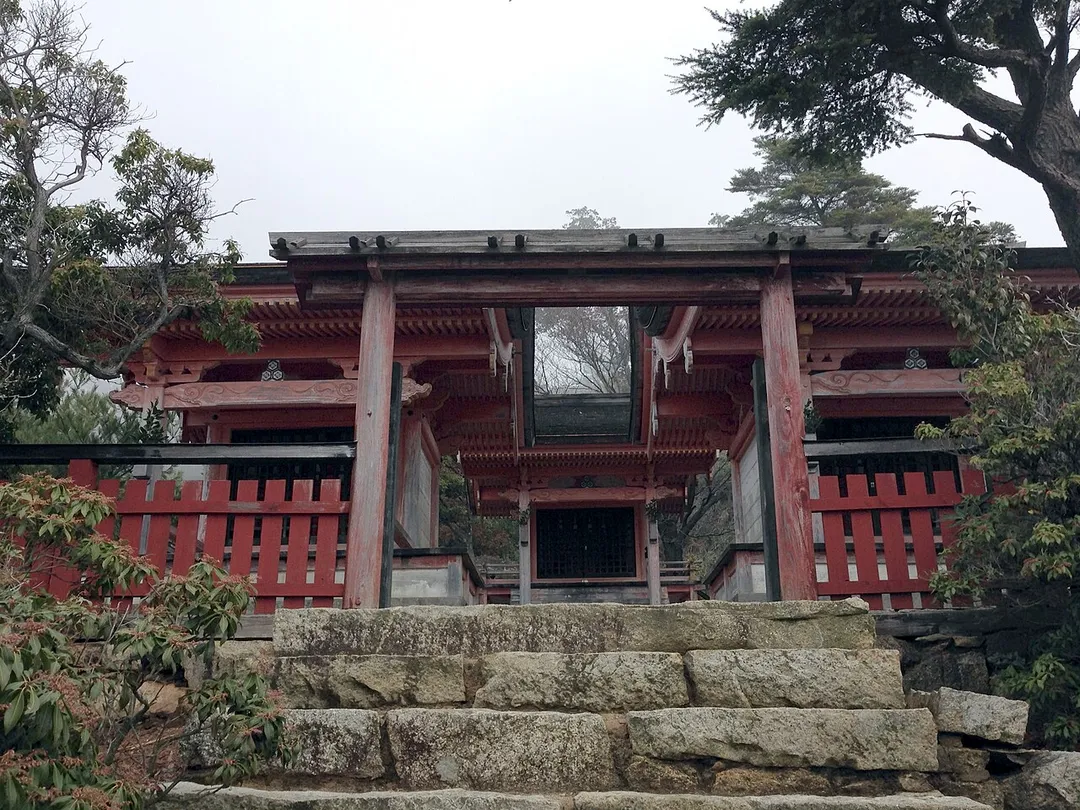
Miyama Shrine (Inner Shrine of Itsukushima)
The inner shrine of Itsukushima, resting near the summit of Mount Misen.
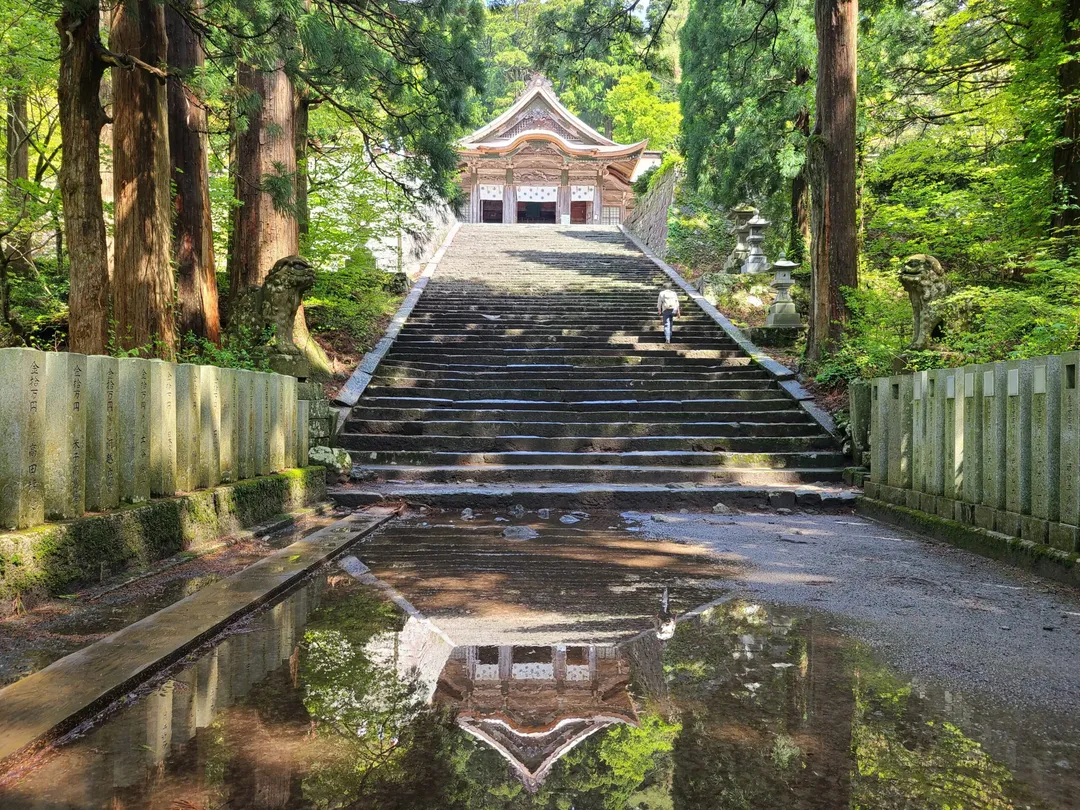
Ogamiyama Shrine
Shrine of the sacred Mount Daisen, with an inner sanctuary reached by a natural-stone path.
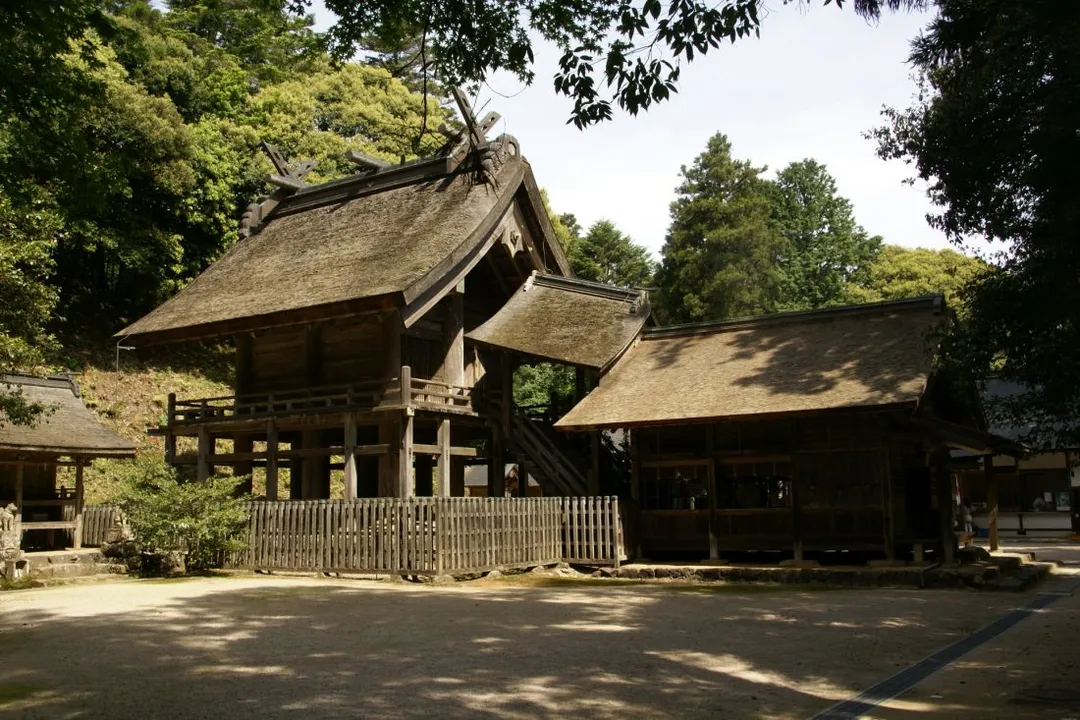 Shimane
Kamosu Shrine
The oldest surviving taisha-zukuri sanctuary, an ancient shrine of the Izumo priestly line.
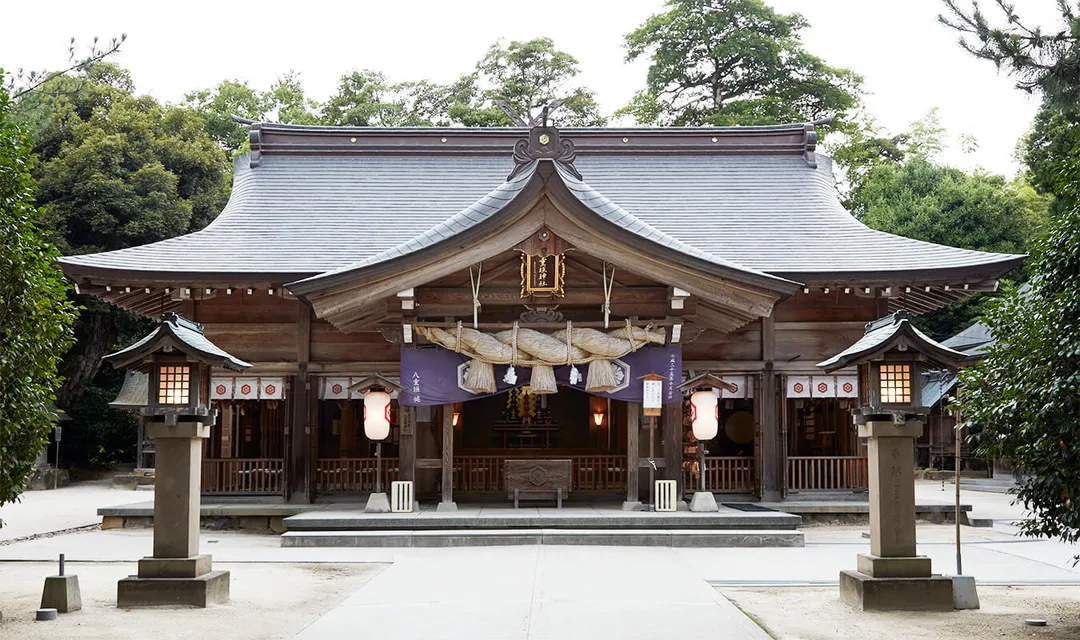 Shimane
Yaegaki Shrine
Divination at the Mirror Pond, shrine of Susanoo and Princess Inata.
About Moto-Ise & Mythology
Shrines of the Moto-Ise and mythology lineage stand upon lands held to be the stage of the myths of the Kojiki and Nihon Shoki, or carry the Moto-Ise traditions — that Amaterasu Ōmikami was worshipped there before coming to rest at Ise. This lineage is known for its deep bonds with the story of Japan's beginnings.
It is told that before Amaterasu Ōmikami came to rest in the land of Ise, she was worshipped at place after place upon her way, and shrines with ties to that journey have been called Moto-Ise. Their enshrined deities include Amaterasu Ōmikami and the gods who appear in the Kojiki and Nihon Shoki, their origins told down the generations in connection with the birth of the land and the tales of the heavenly descendants. In lands bearing old traditions, some shrines preserve ancient forms in the style of their halls and the customs of their festivals, and the memory of myth is said to live and breathe in these places.
As a lineage where one may touch the wellspring of myth, it is held to suit those who would return to the roots of Japan and the original forms of prayer, and those who would quietly walk lands of storied origin. Many also visit at life's turning points, wishing to look once more at the ground on which they stand, or when they would draw their heart near to the old tales.
At shrines bearing old traditions, it is said to be important to pay respect to the precincts and to the enshrined origins, and to worship while walking quietly. Rather than showy wish-making, one would hold the transmitted stories in the heart and join one's hands in gratitude that the land has been long protected. To visit again from time to time is itself held to be one form of joining the story.
The shrines of the Moto-Ise and mythology lineage each differ in their traditions and origins. Rather than choosing by merit, it is considered good to choose by the mythic ties that draw one's heart, or by one's bond with a land where one can walk in quiet. Visiting a shrine met upon a journey, or one bearing the stories handed down in the region where one lives, is said to become a doorway to feeling the myths near at hand.