All Shrines
The 74 shrines across Japan that MUSUHI TECHO has selected on the basis of documented history and living faith, presented prefecture by prefecture from north to south.
Colored prefectures have listed shrines (the number shows how many)
Miyagi
1
Yamagata
1
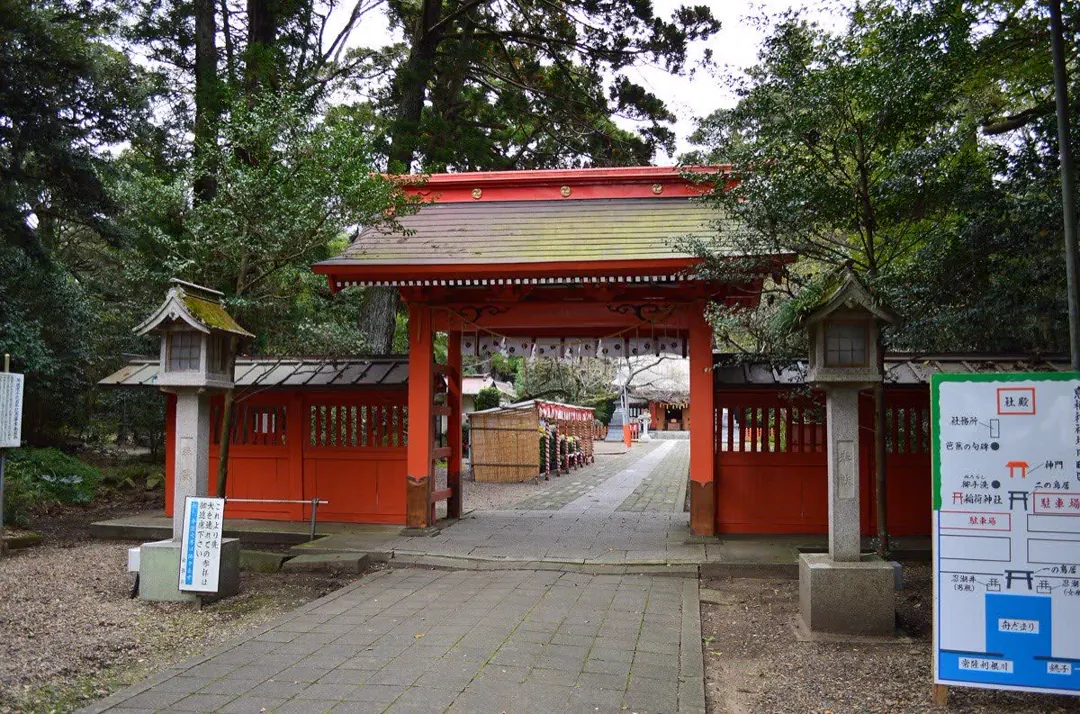
Ibaraki
2
Tochigi
2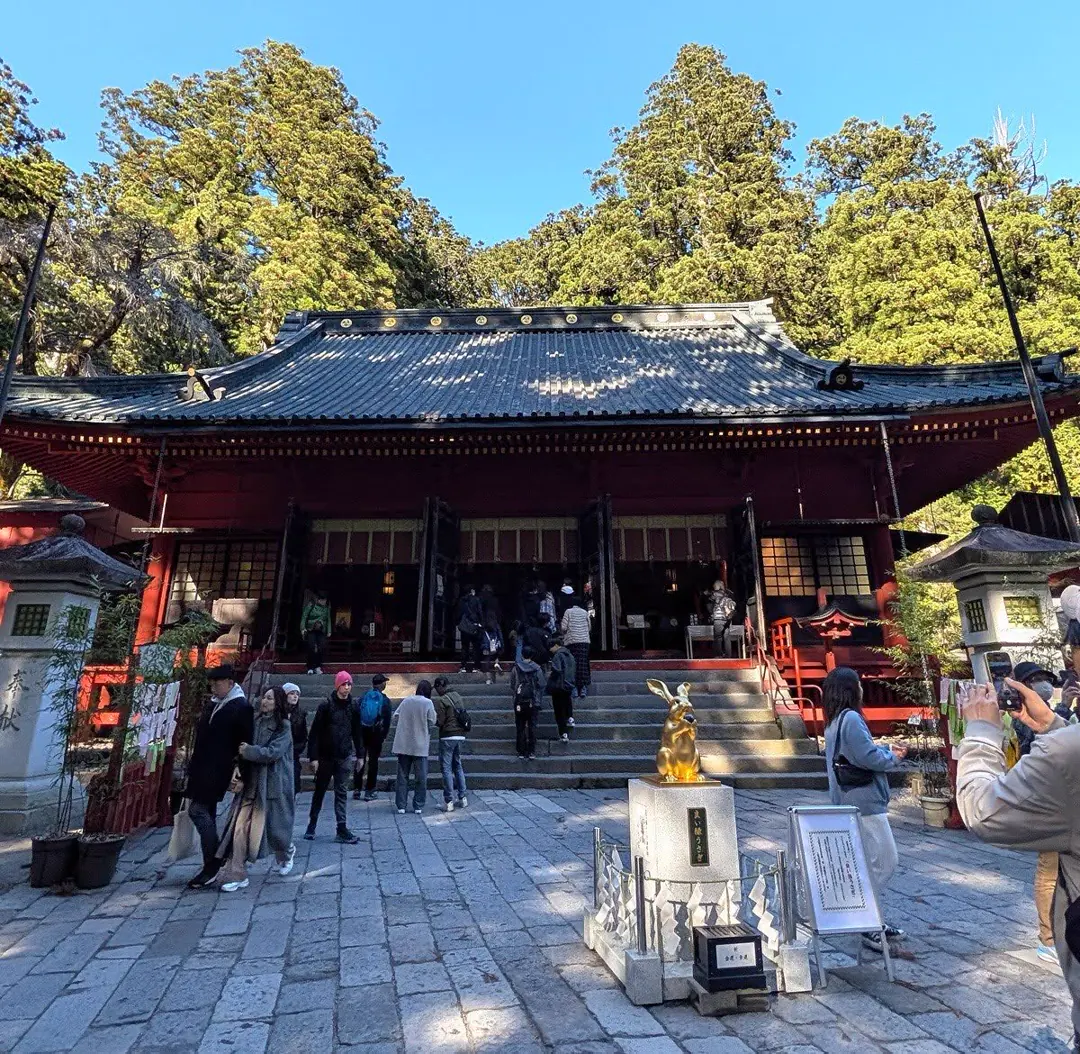
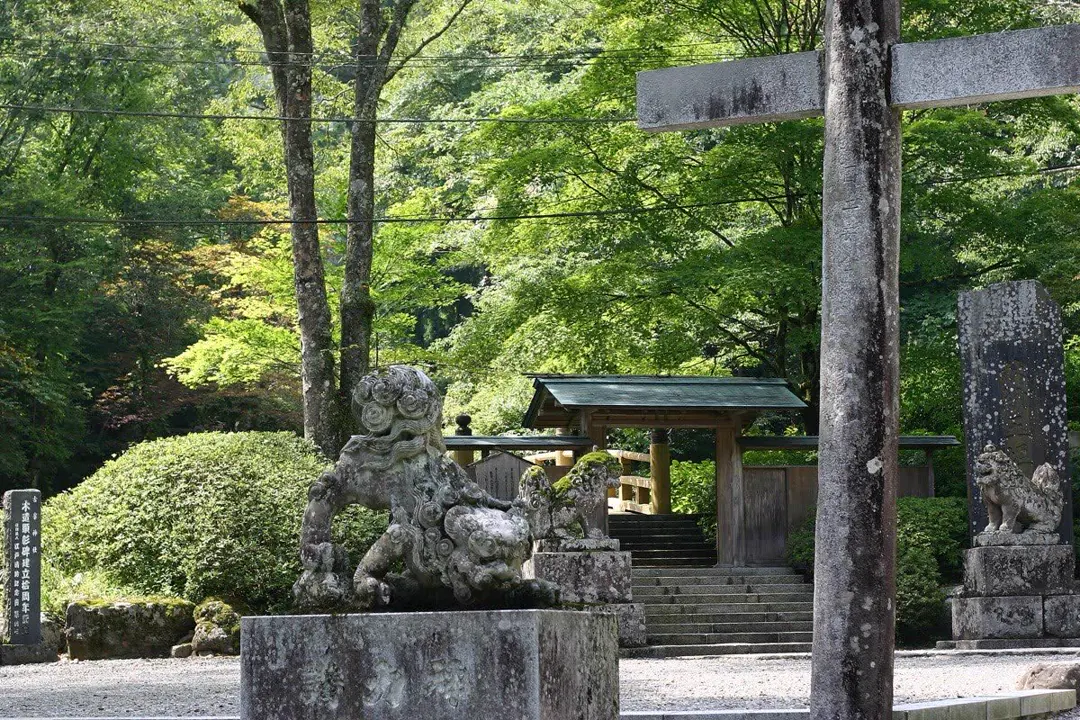
Gunma
1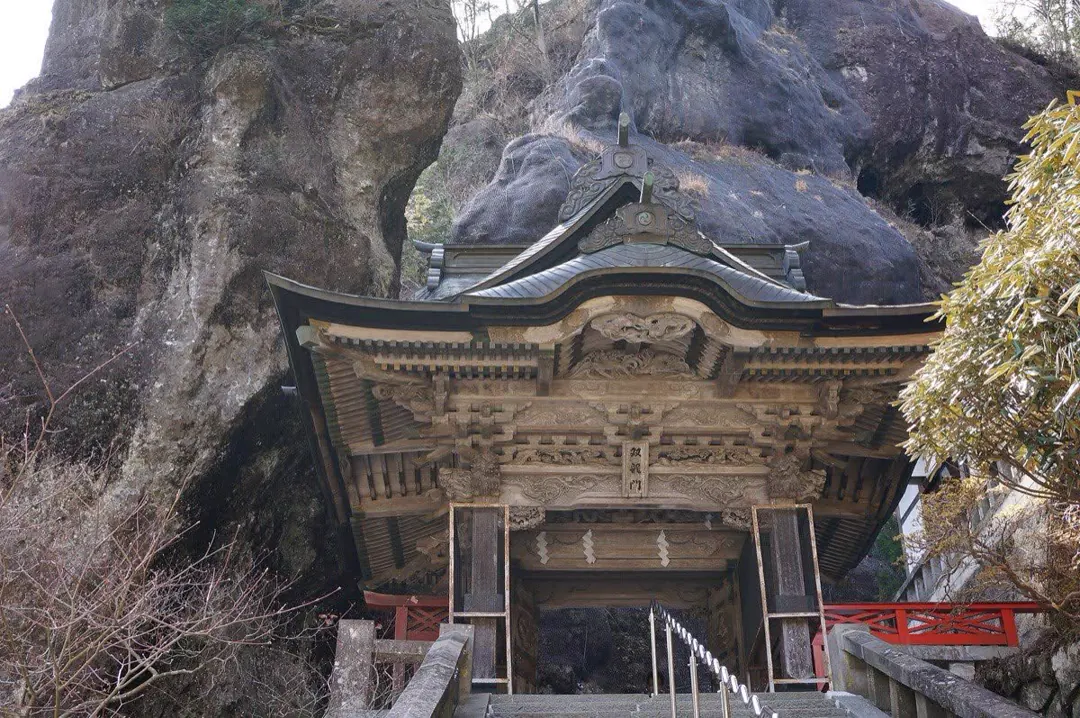
Saitama
4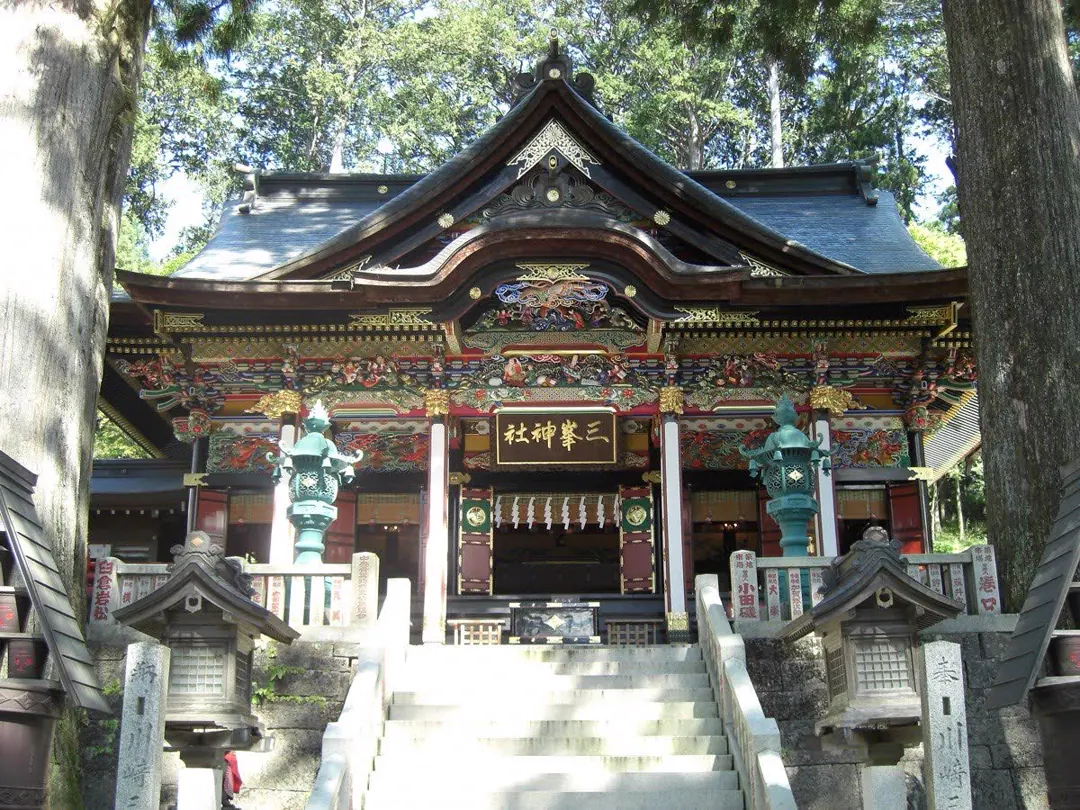 Saitama
Mitsumine Shrine
A sacred precinct some 1,100 meters up, guarded by the wolf messengers called o-inu-sama.
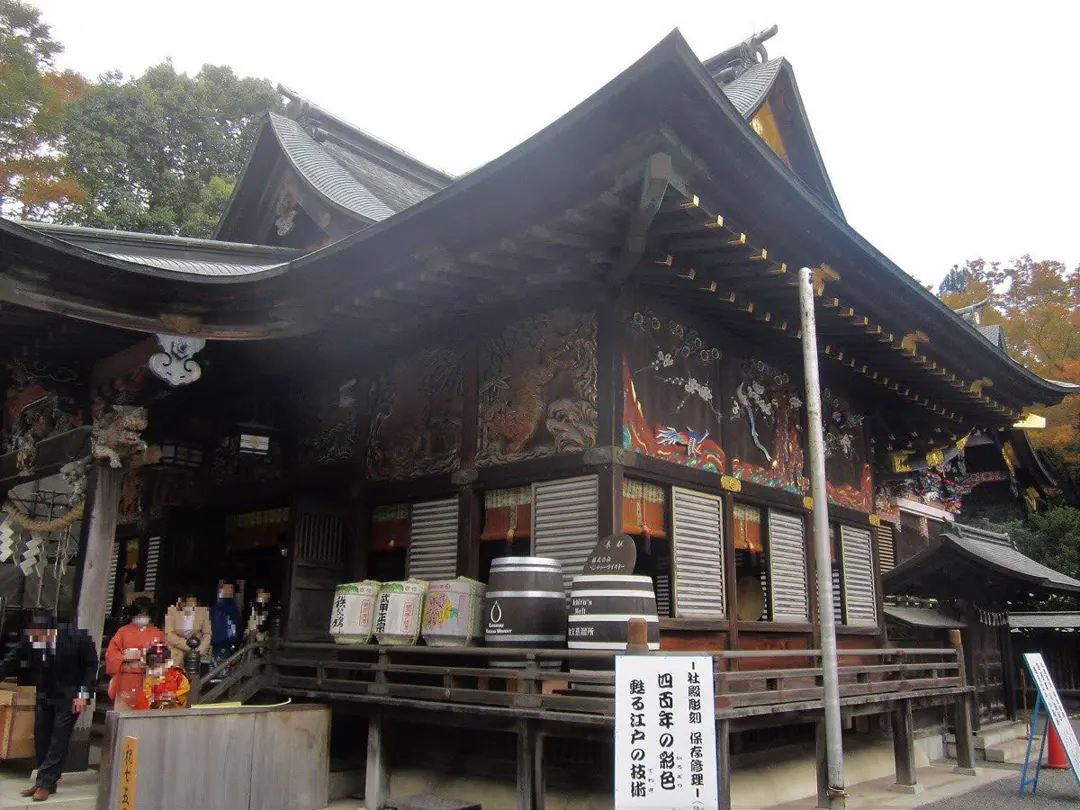 Saitama
Chichibu Shrine
Guardian shrine of the old Chichibu domain, enshrining the deity of wisdom — home of the Chichibu Night Festival.
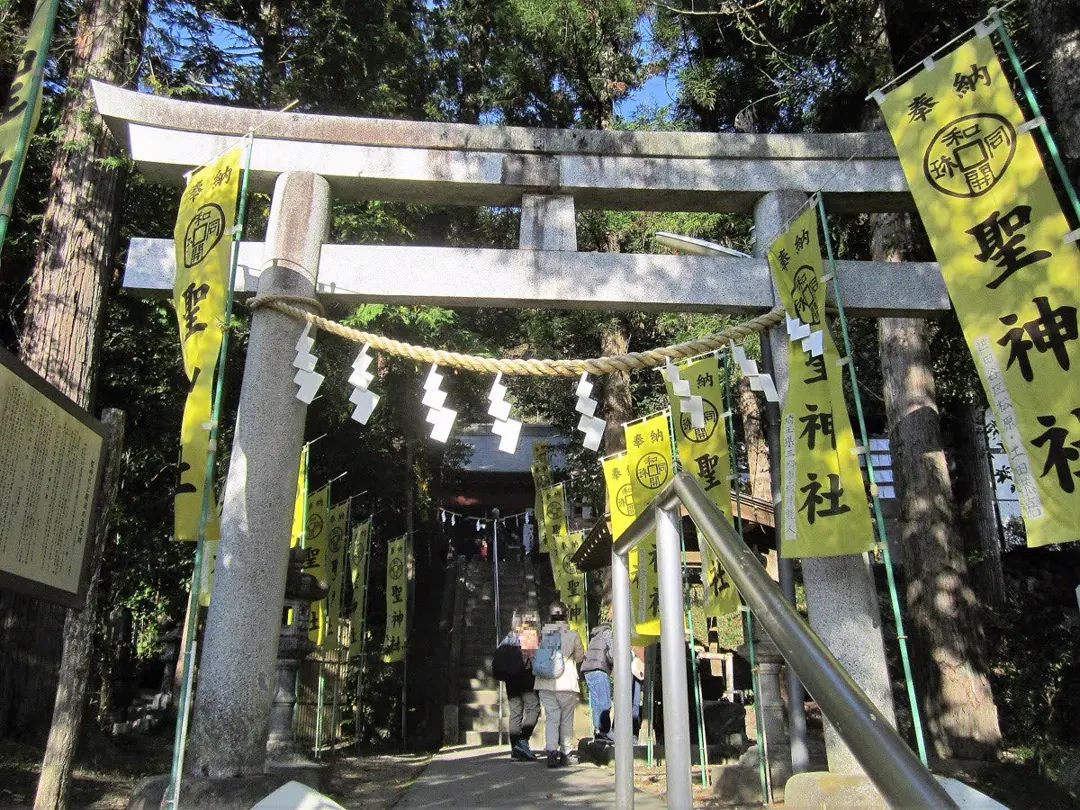 Saitama
Hijiri Shrine
The "deity of coins," bound to the birth of Japan's first currency, the Wado Kaichin.
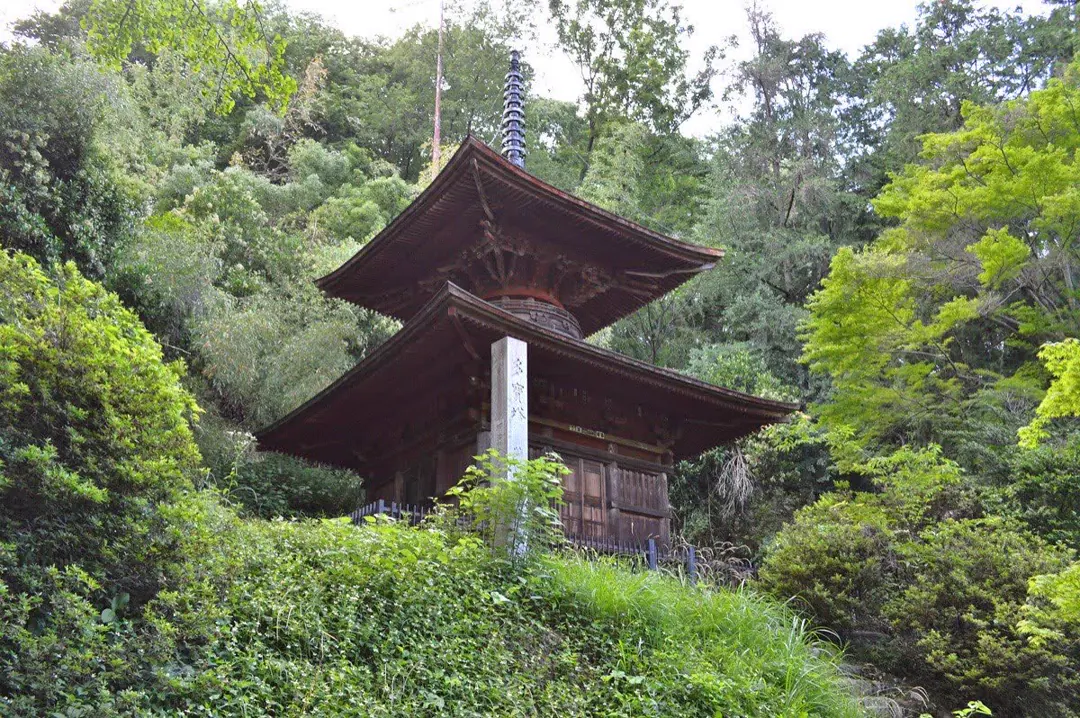 Saitama
Kanasana Shrine
Second shrine of old Musashi Province — a sanctuary with no main hall, where the mountain itself is worshipped.
Chiba
3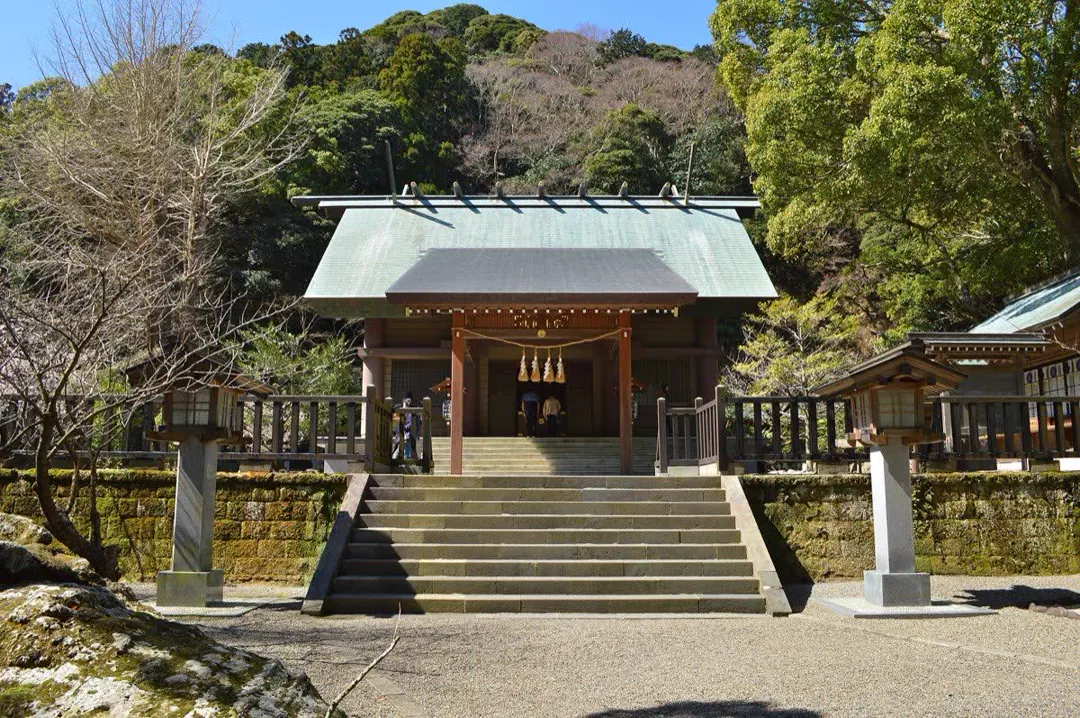 Chiba
Awa Shrine
First shrine of old Awa Province, enshrining Ame-no-Futodama, ancestral deity of all industry.
 Chiba
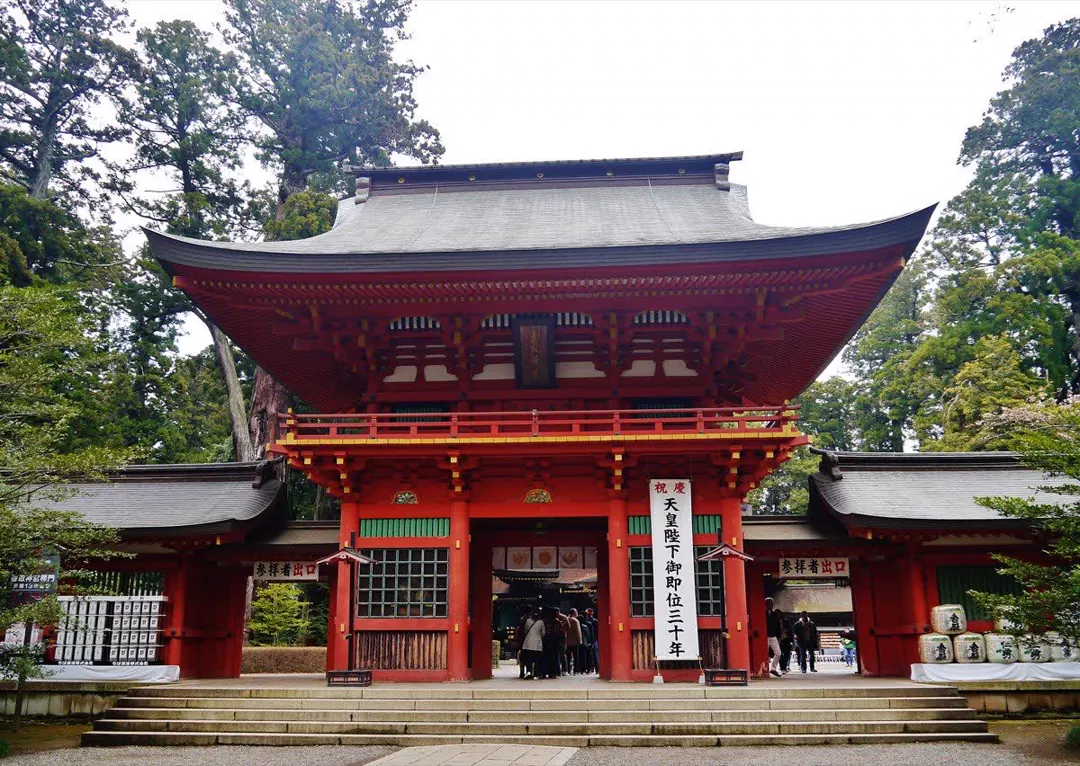
Katori Jingu
First shrine of old Shimosa Province, enshrining Futsunushi no Okami — one of the Three Shrines of the East.
 Chiba
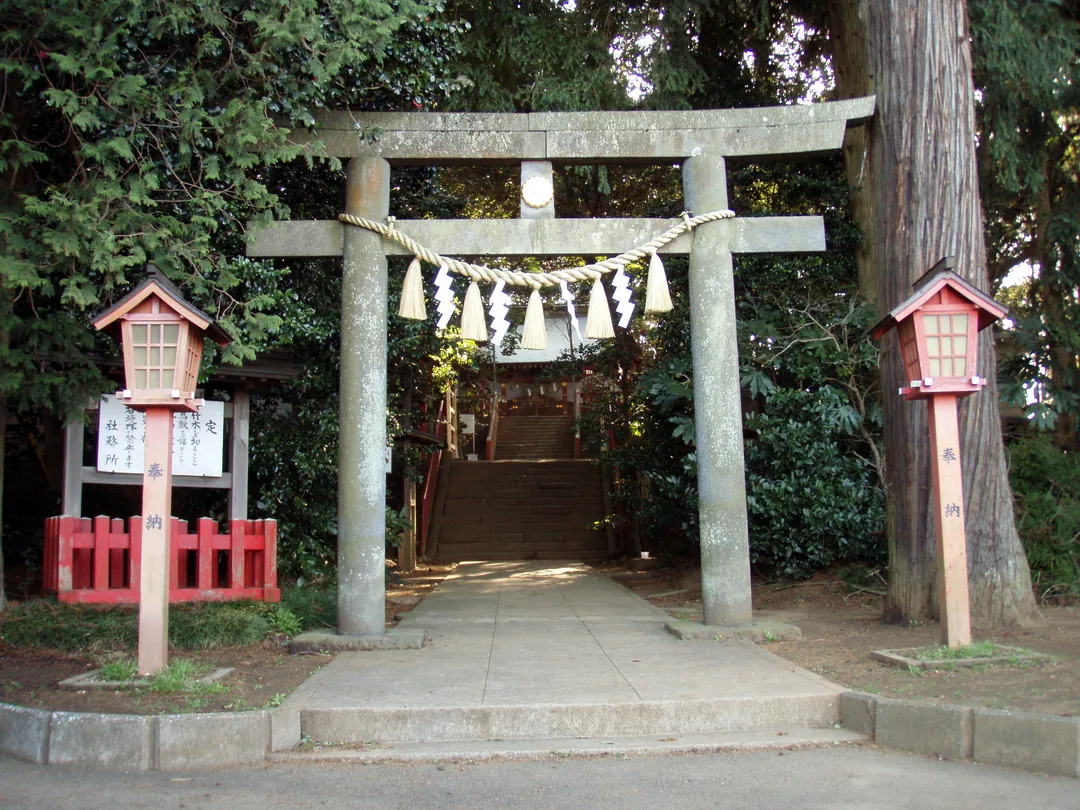
Makata Shrine
A shrine of the deity of musuhi, home to the largest cryptomeria in eastern Japan.
Tokyo
7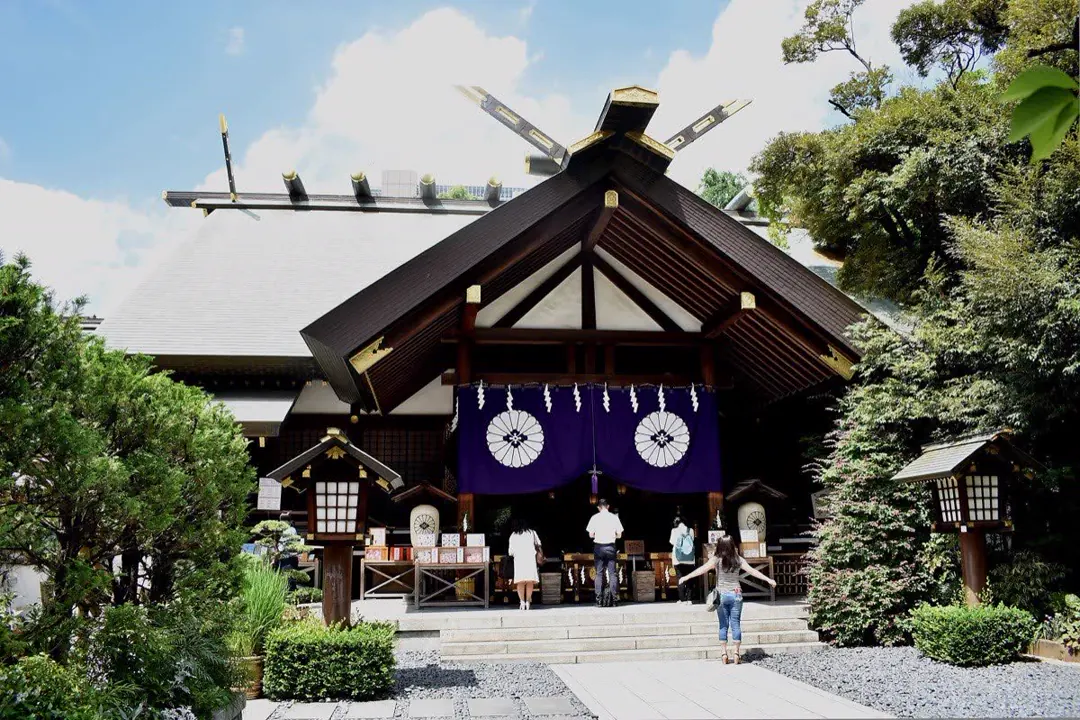 Tokyo
Tokyo Daijingu
Known as "Tokyo's Ise," a shrine devoted to musubi — the tying of bonds.
 Tokyo
Toyokawa Inari Tokyo Betsuin
A temple of Dakini Shinten in Akasaka, with ties to the celebrated magistrate Ooka Echizen.
 Tokyo
Matsuchiyama Shoden (Honryuin)
Asakusa's beloved Shoden temple, where wishes are entrusted to daikon radishes and drawstring purses.
 Tokyo
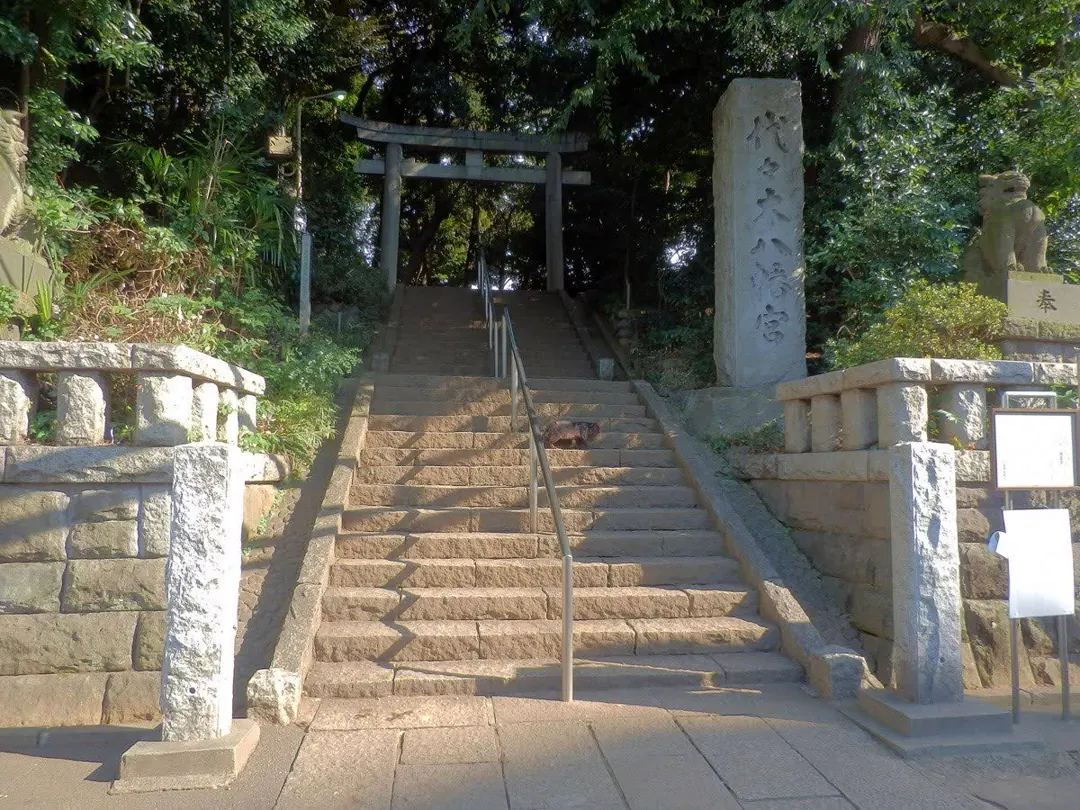
Yoyogi Hachimangu
The Hachiman shrine of the Yoyogi woods, home to a famed Inari of career success.
 Tokyo
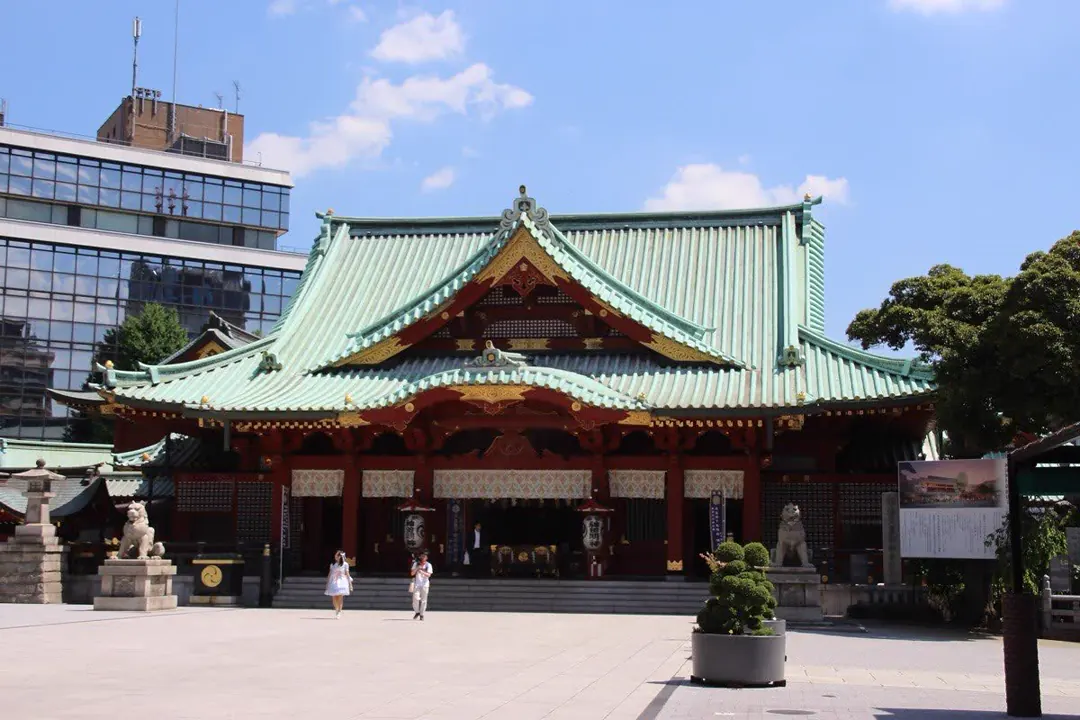
Kanda Myojin (Kanda Shrine)
The guardian shrine of old Edo, enshrining Daikoku, Ebisu, and Lord Masakado.
 Tokyo
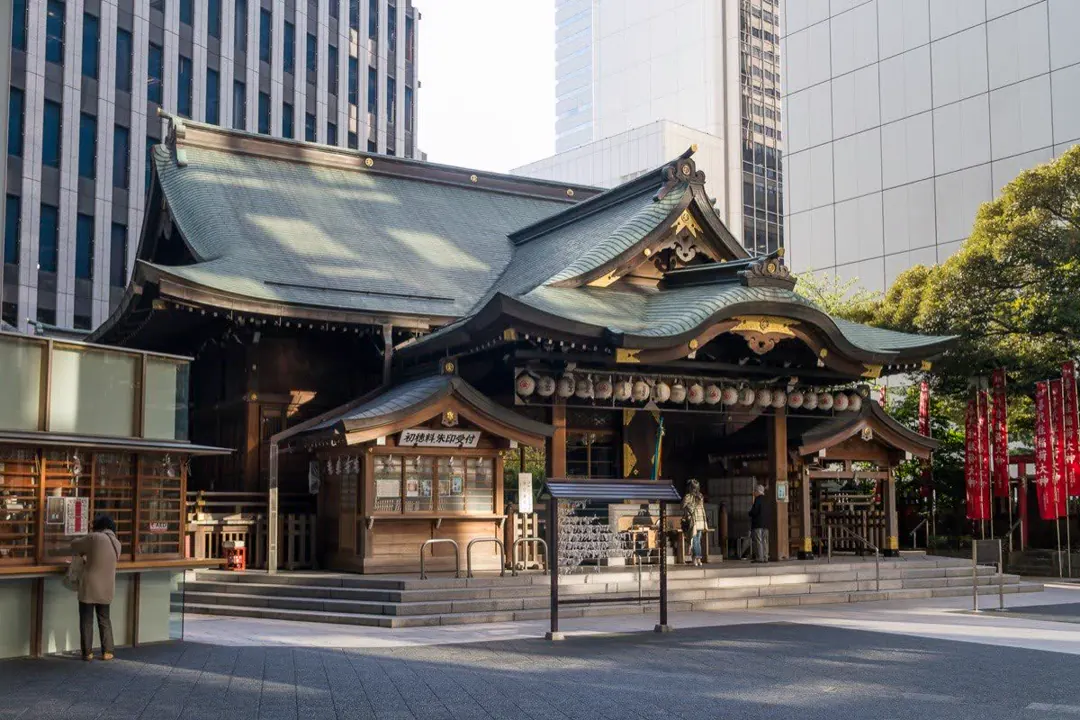
Toranomon Kotohiragu
Edo's "Konpira-sama," at rest amid the office towers.
 Tokyo
Yushima Tenmangu (Yushima Tenjin)
Edo's foremost Tenjin shrine, devoted to the deity of learning.
Kanagawa
2
Yamanashi
1
Nagano
2
Shizuoka
3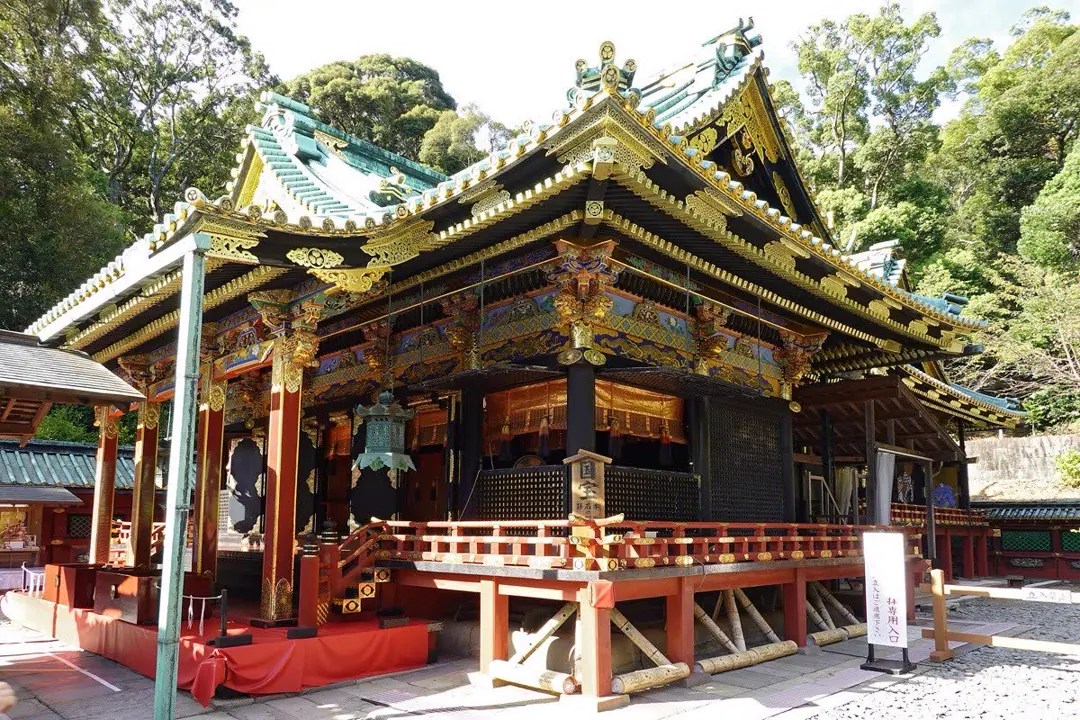 Shizuoka
Kunozan Toshogu
The founding Toshogu, where Ieyasu rests beneath a National Treasure sanctuary.
 Shizuoka
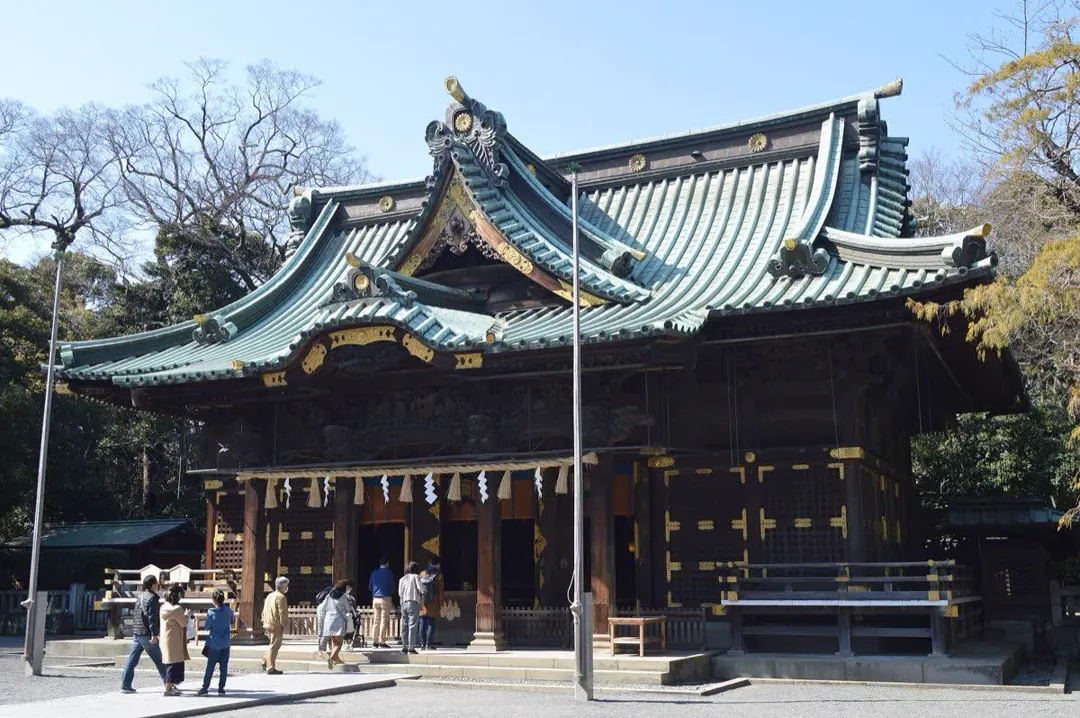
Mishima Taisha
First shrine of Izu Province, revered by Minamoto no Yoritomo and guardian of commerce.
 Shizuoka
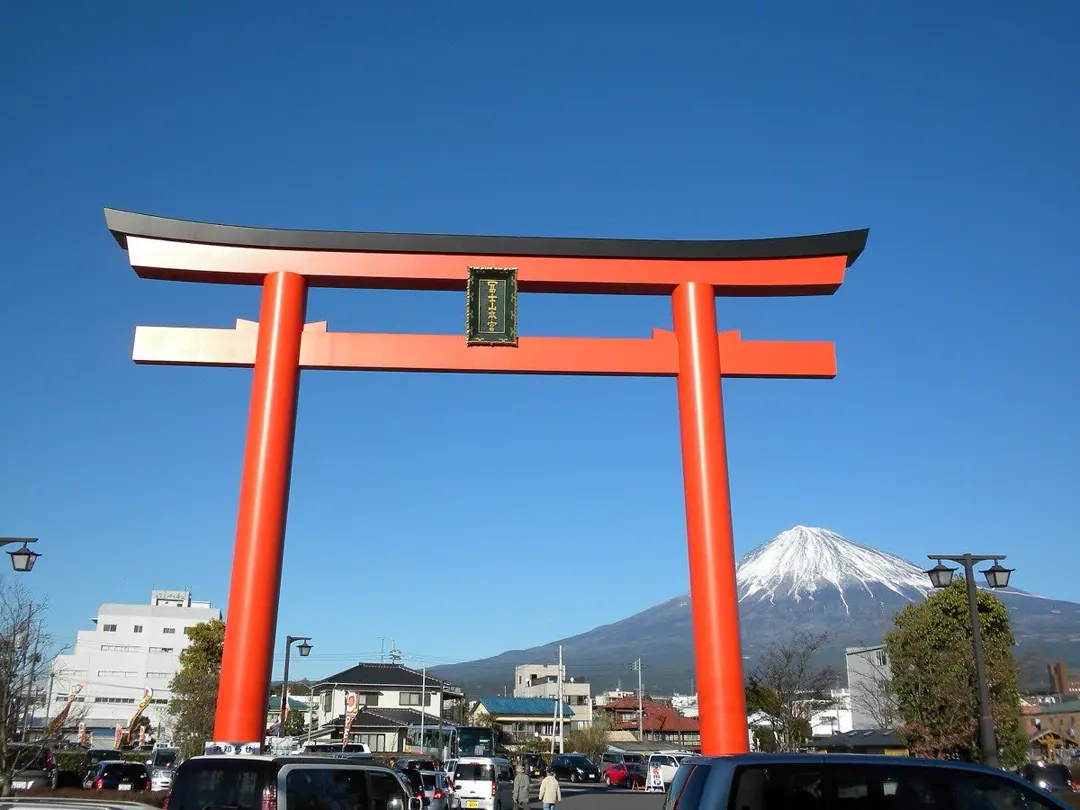
Fujisan Hongu Sengen Taisha
Head shrine of all Sengen shrines, where Mount Fuji itself is worshipped.
Ishikawa
2
Mie
4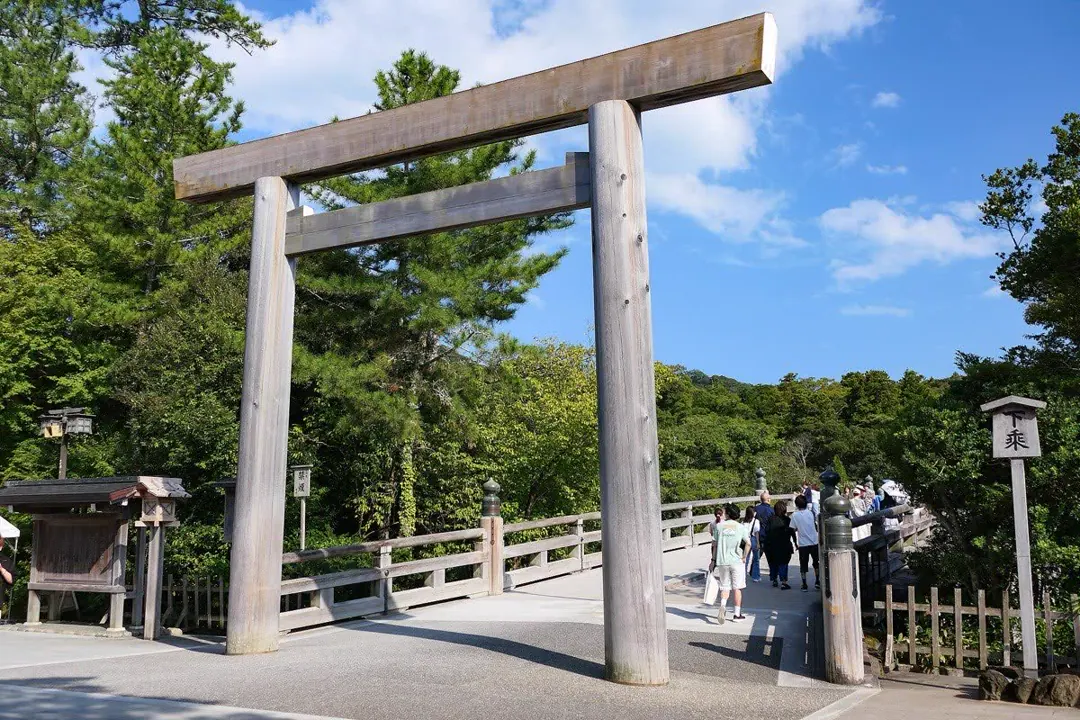 Mie
Ise Jingu
From the Outer Shrine to the Inner — two thousand years of prayer.
 Mie
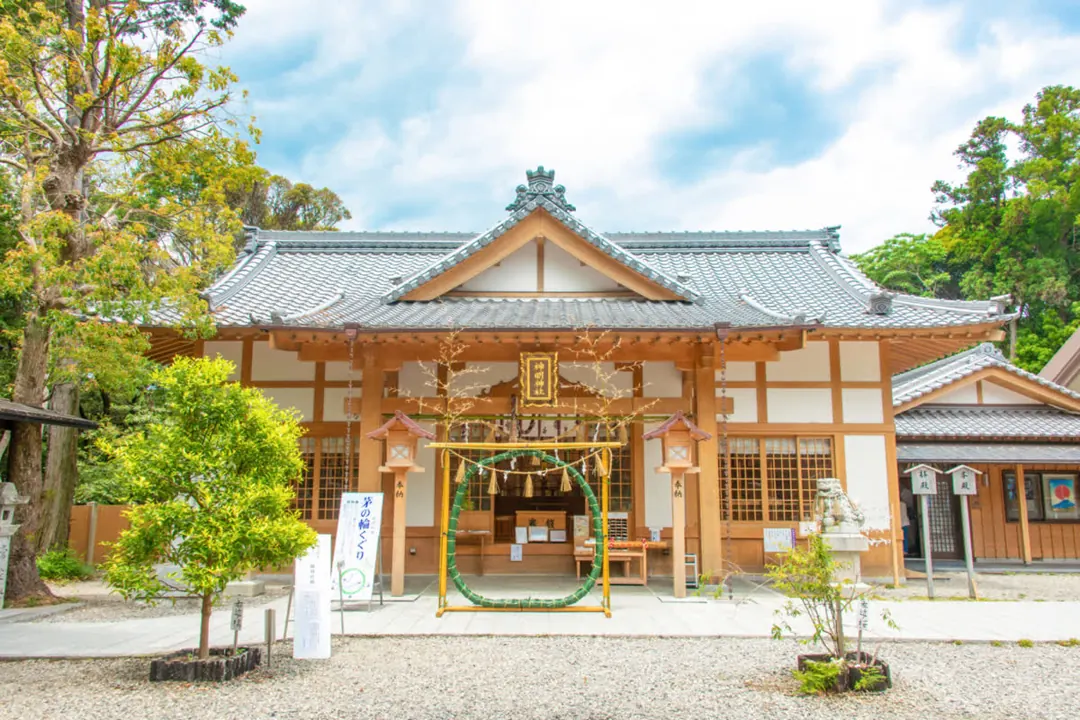
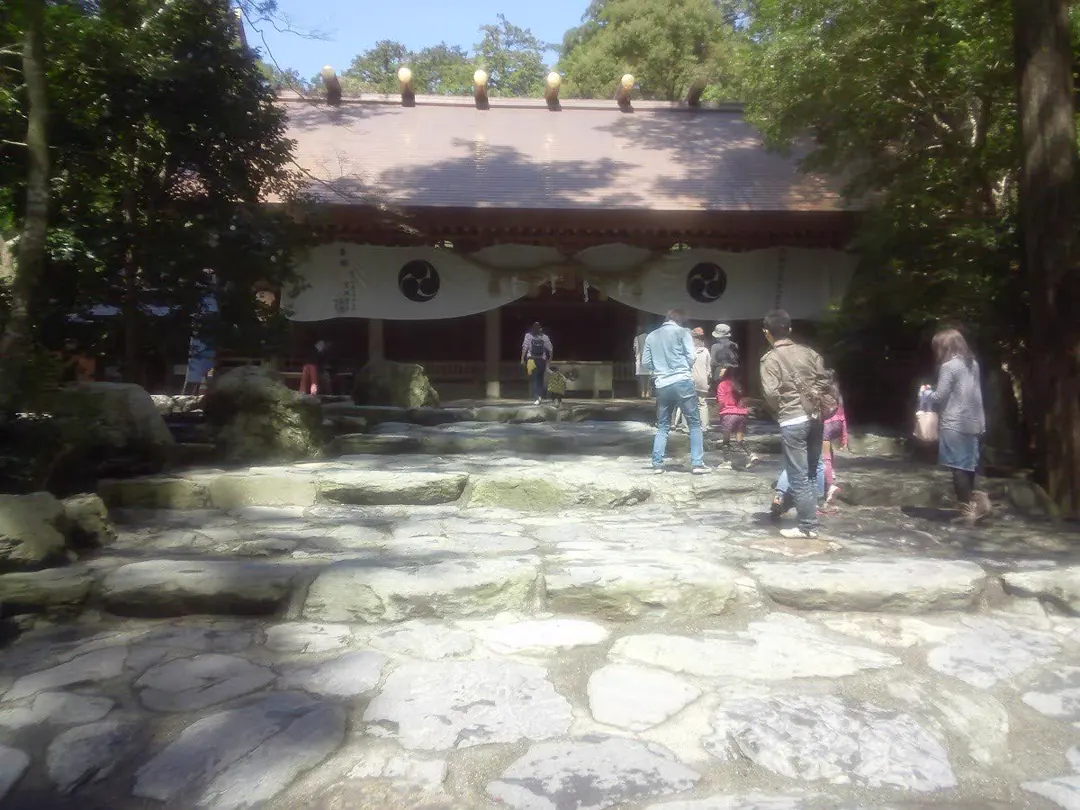
Shinmei Shrine (Ishigami-san)
The ama divers' shrine, said to grant one wish to every woman.
 Mie
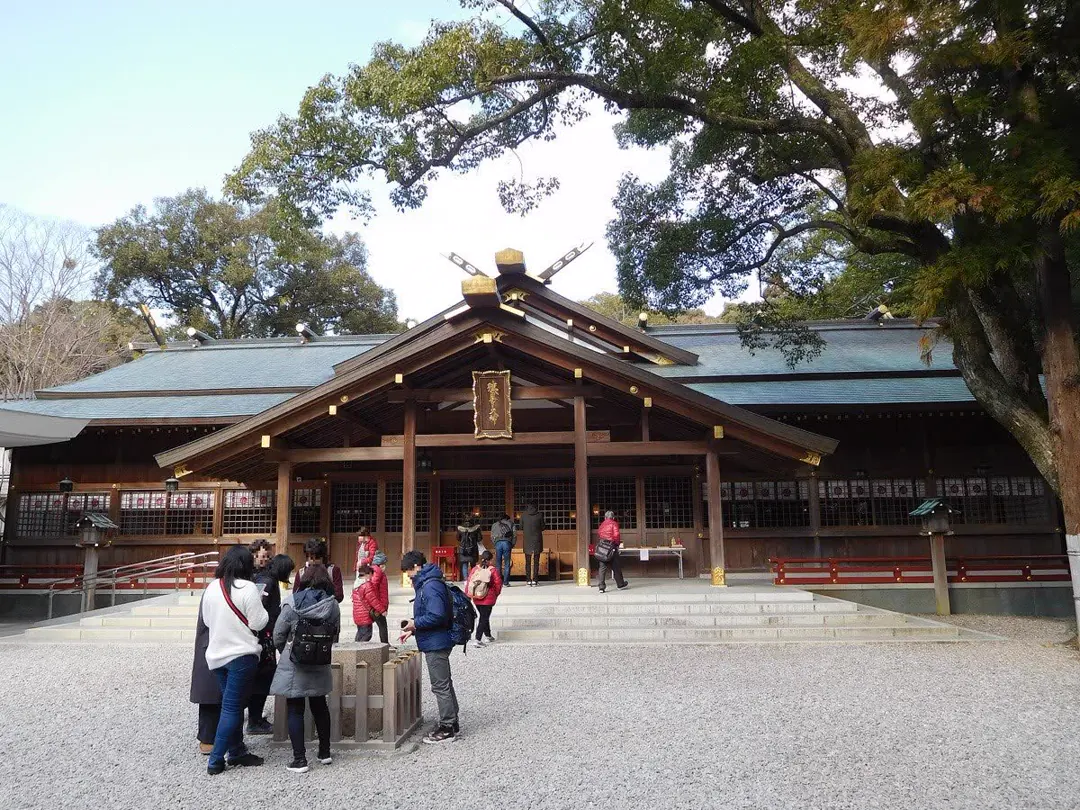
Tsubaki Grand Shrine (Tsubaki Okamiyashiro)
Head shrine of Sarutahiko no Okami, the deity who opens the way.
 Mie
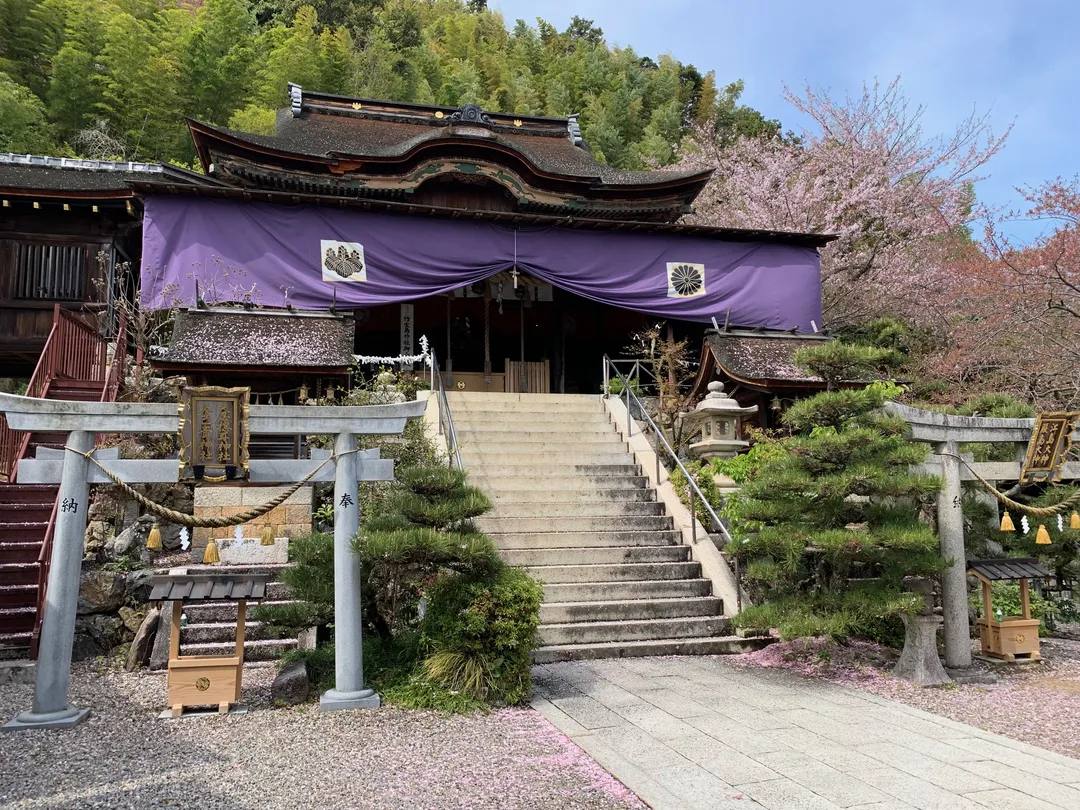
Sarutahiko Shrine
A shrine of way-opening, where the eight-sided direction stone rests.
Kyoto
7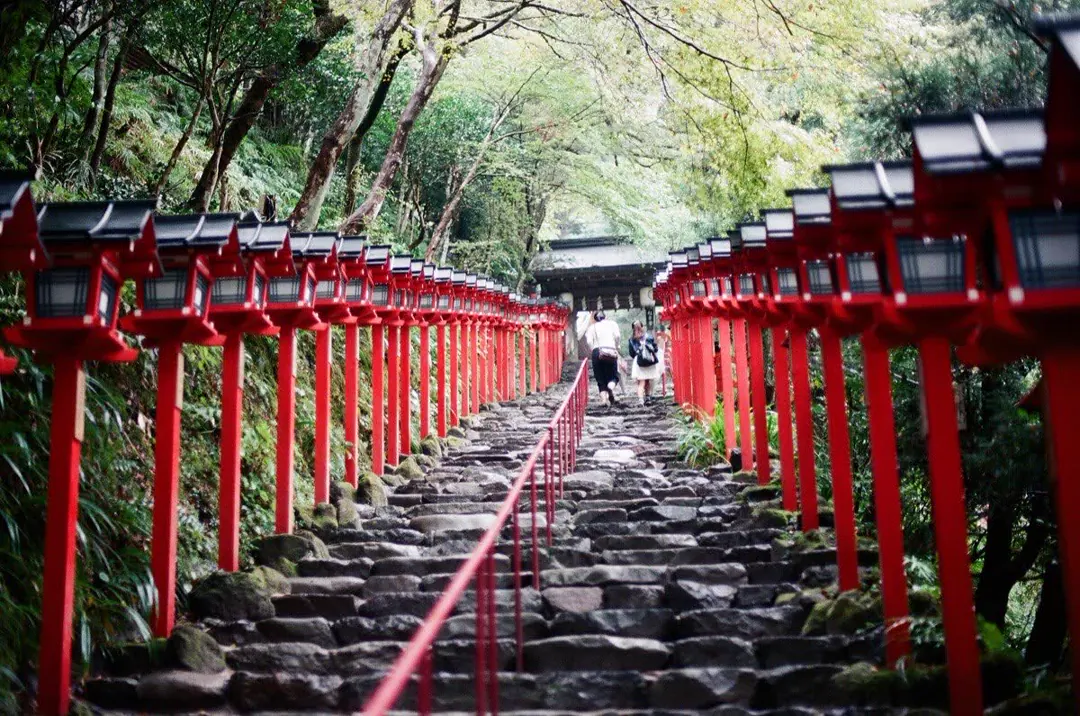 Kyoto
Kifune Shrine
Head shrine of the water deity, on the banks of the Kifune River.
 Kyoto
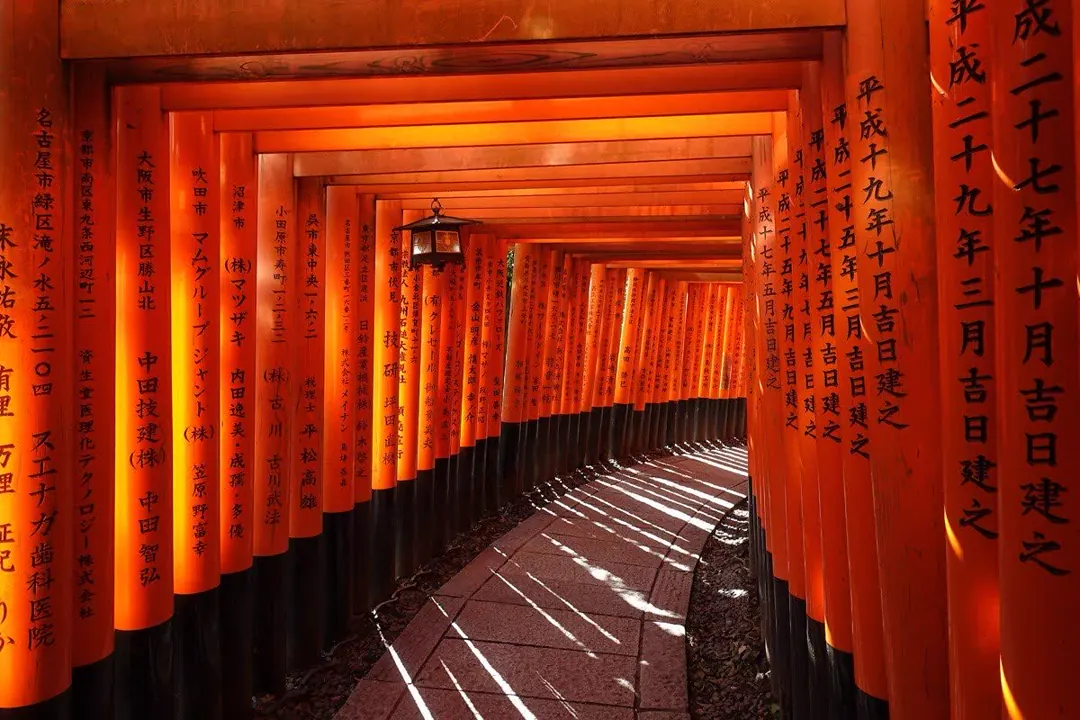
Fushimi Inari Taisha
The vermilion Senbon Torii — head shrine of all Inari shrines in Japan.
 Kyoto
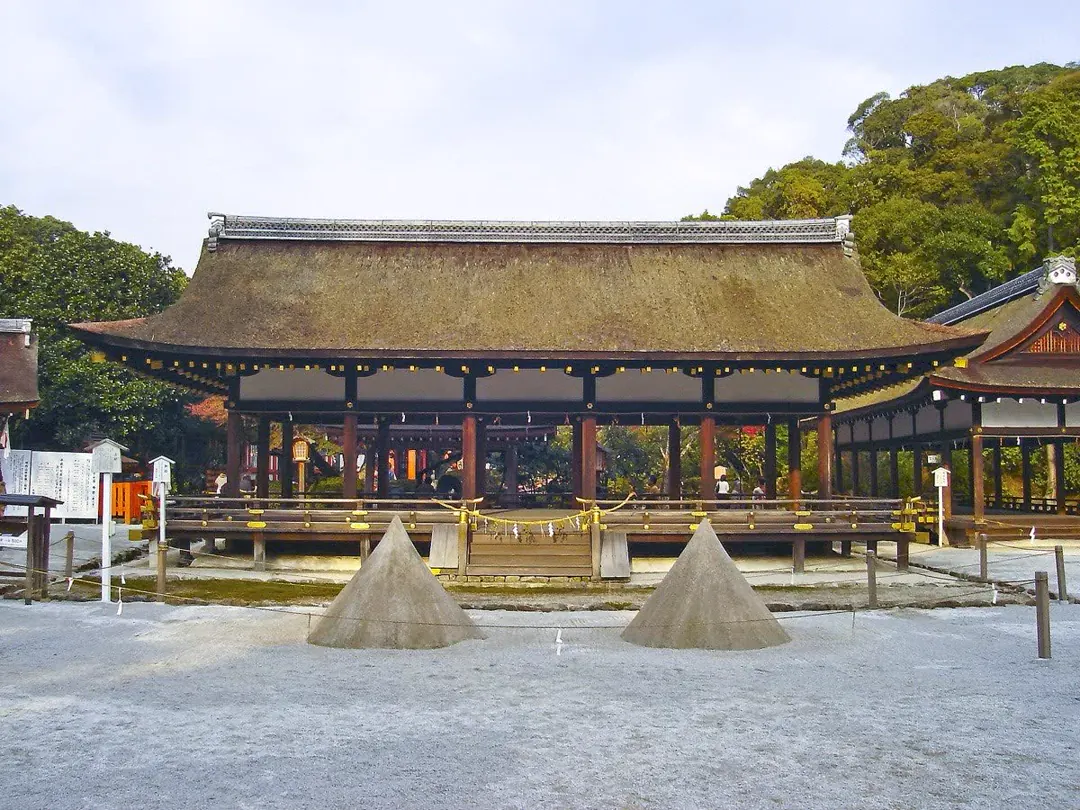
Kamigamo Shrine (Kamo Wake-ikazuchi Jinja)
Ichinomiya of Yamashiro Province, warding off misfortune with the divine power of thunder.
 Kyoto
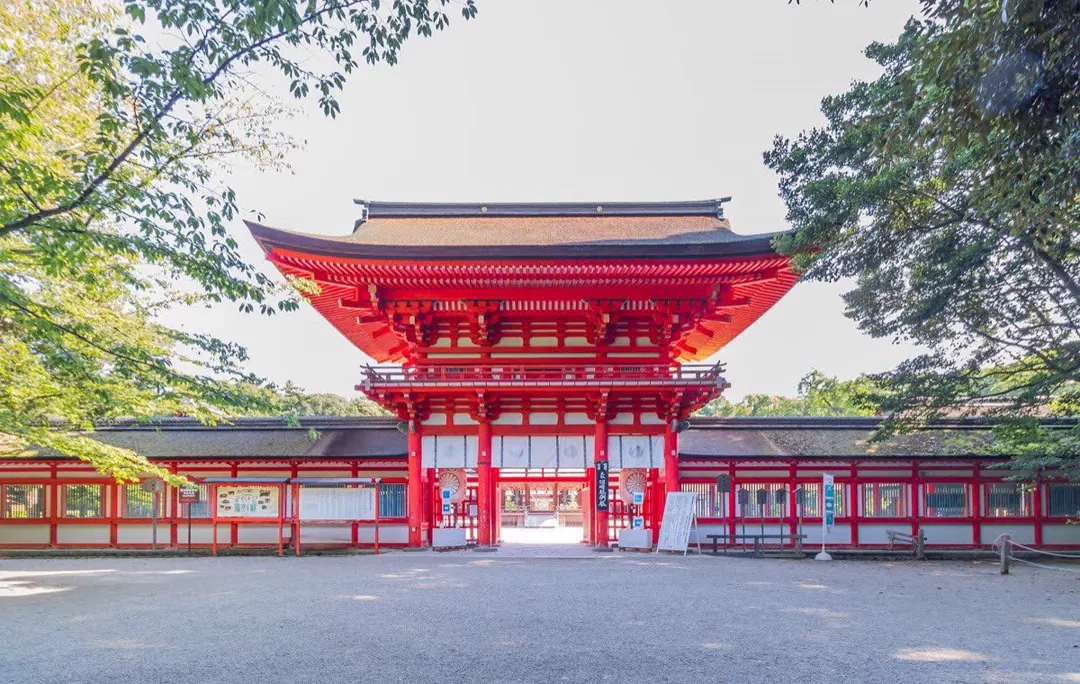
Shimogamo Shrine (Kamo Mioya Jinja)
An ancient shrine of matchmaking, deep in the Tadasu-no-Mori forest.
 Kyoto
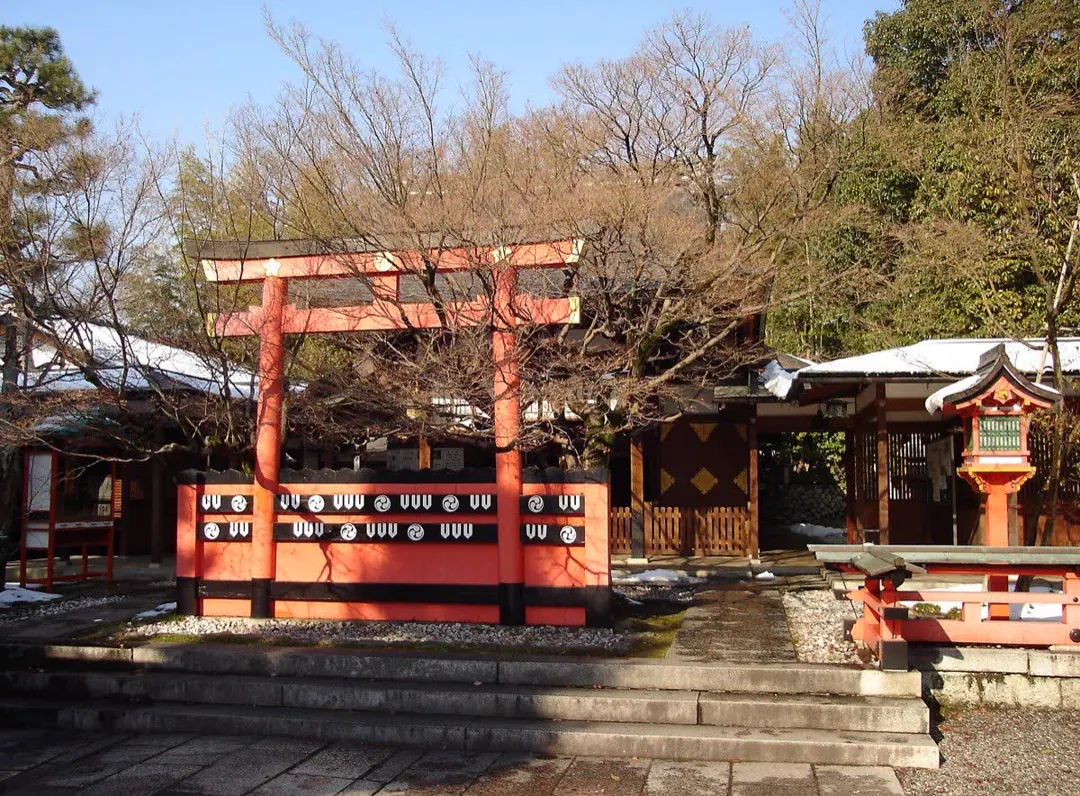
Kurumazaki Shrine
A deity who keeps promises — and the vermilion fence of the performing arts.
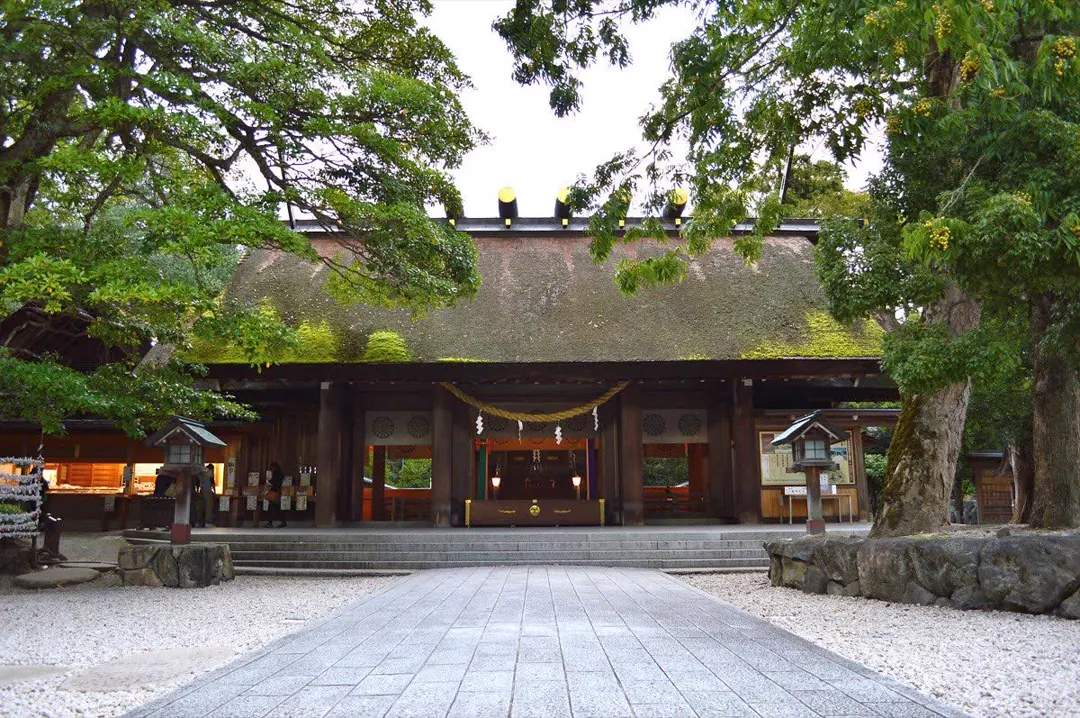 Kyoto
Kono Shrine
Moto-Ise: where the gods dwelt before moving to Ise.
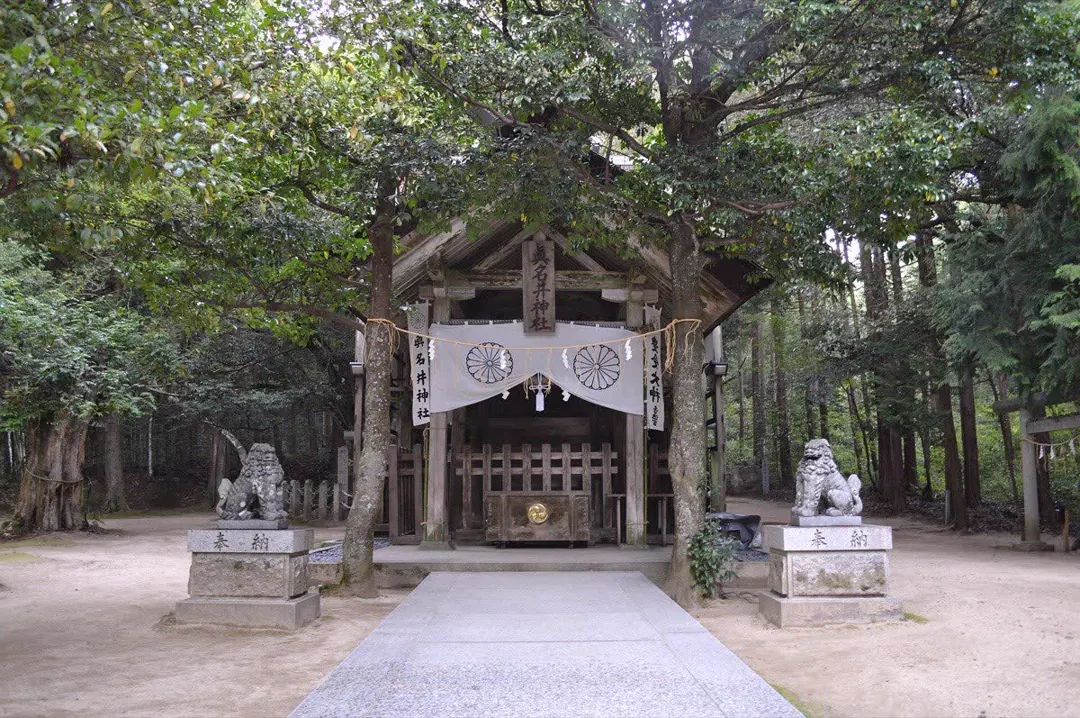 Kyoto
Manai Shrine
Inner shrine of Kono Shrine, where sacred rocks carry prayers from the earliest age.
Nara
10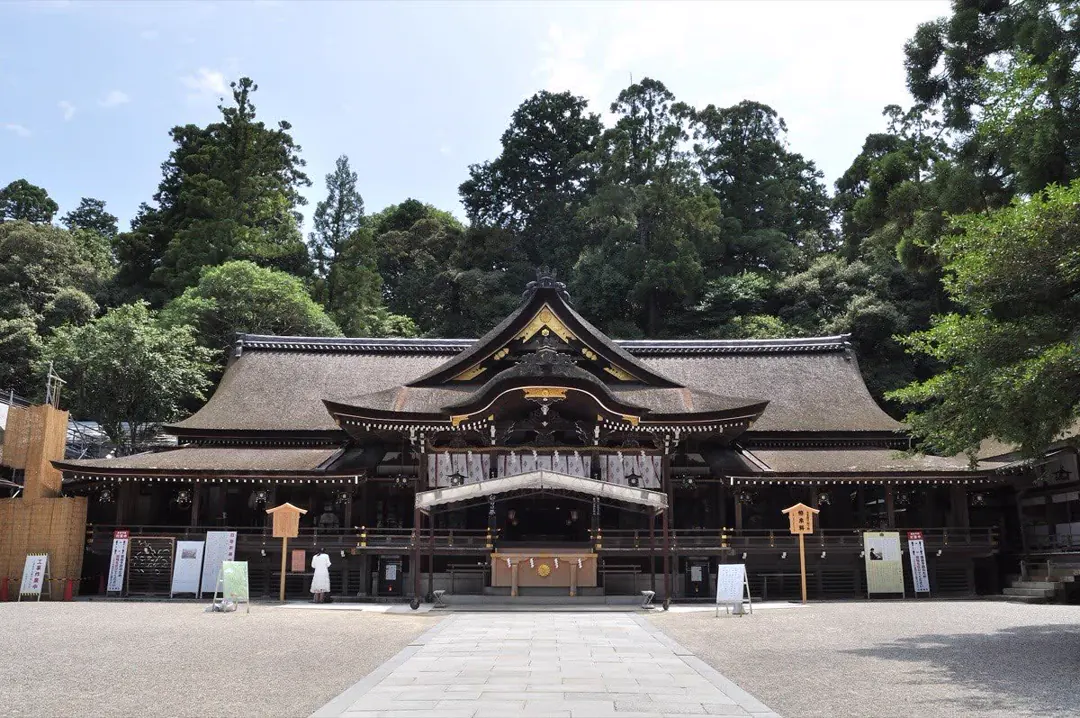 Nara
Omiwa Shrine
One of Japan's oldest shrines, whose sacred body is Mount Miwa itself.
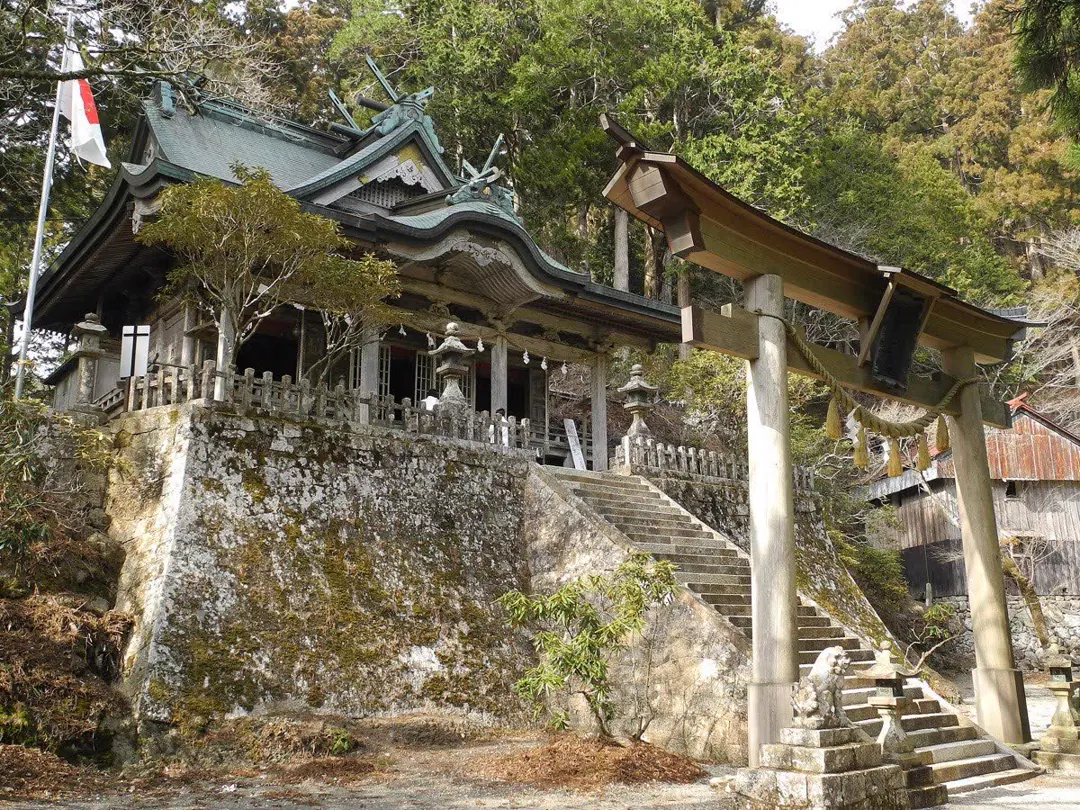 Nara
Tamaki Shrine
The inner sanctuary said to be reached only by those who are called.
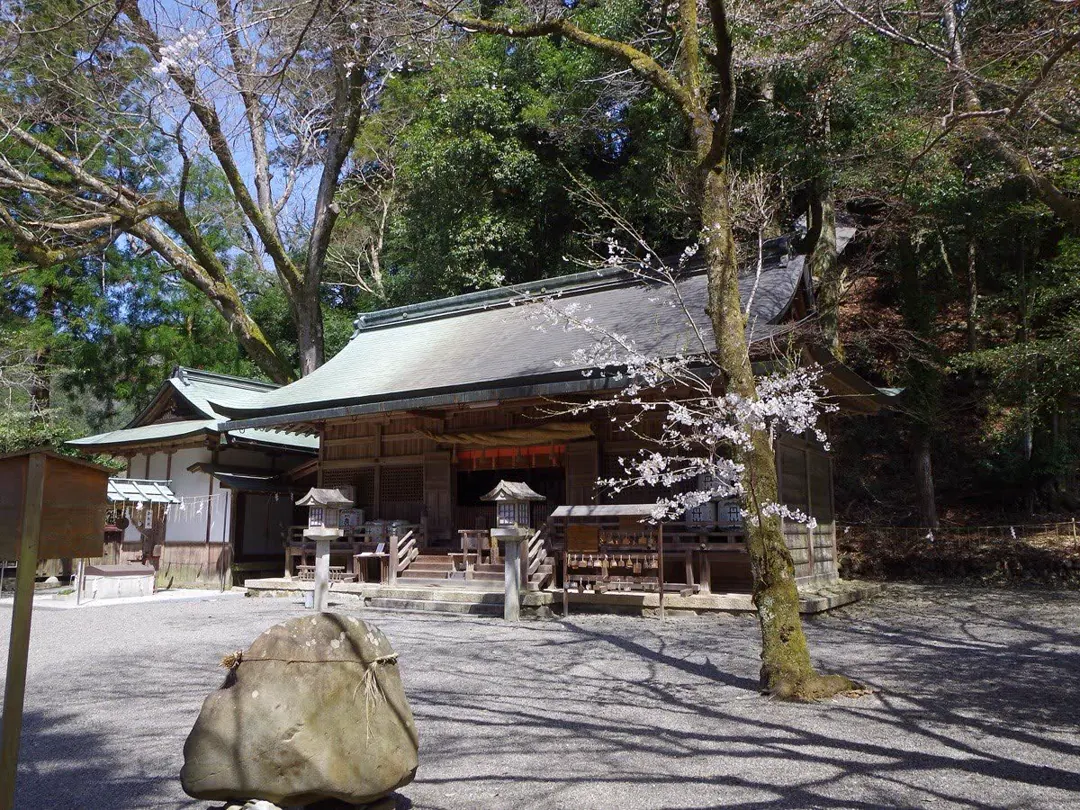 Nara
Niukawakami Shrine Shimosha (Lower Shrine)
A shrine of the water deity, where sacred white and black horses greet you.
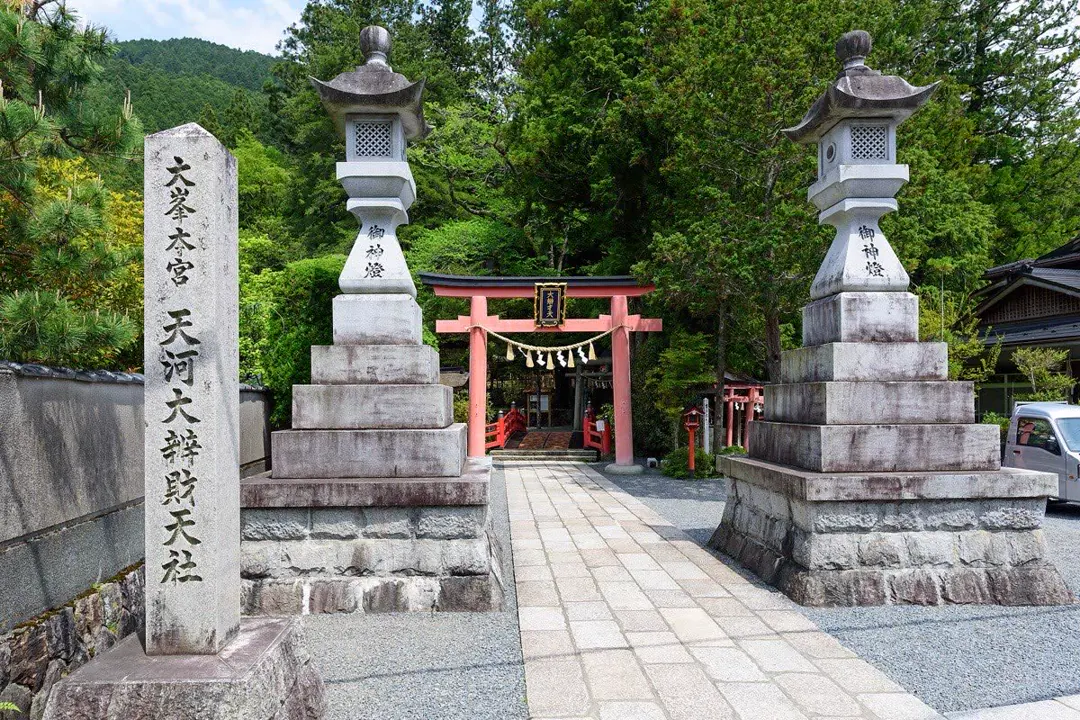 Nara
Tenkawa Daibenzaiten Shrine
The Benzaiten of the performing arts, worshipped to the sound of the Isuzu bells.
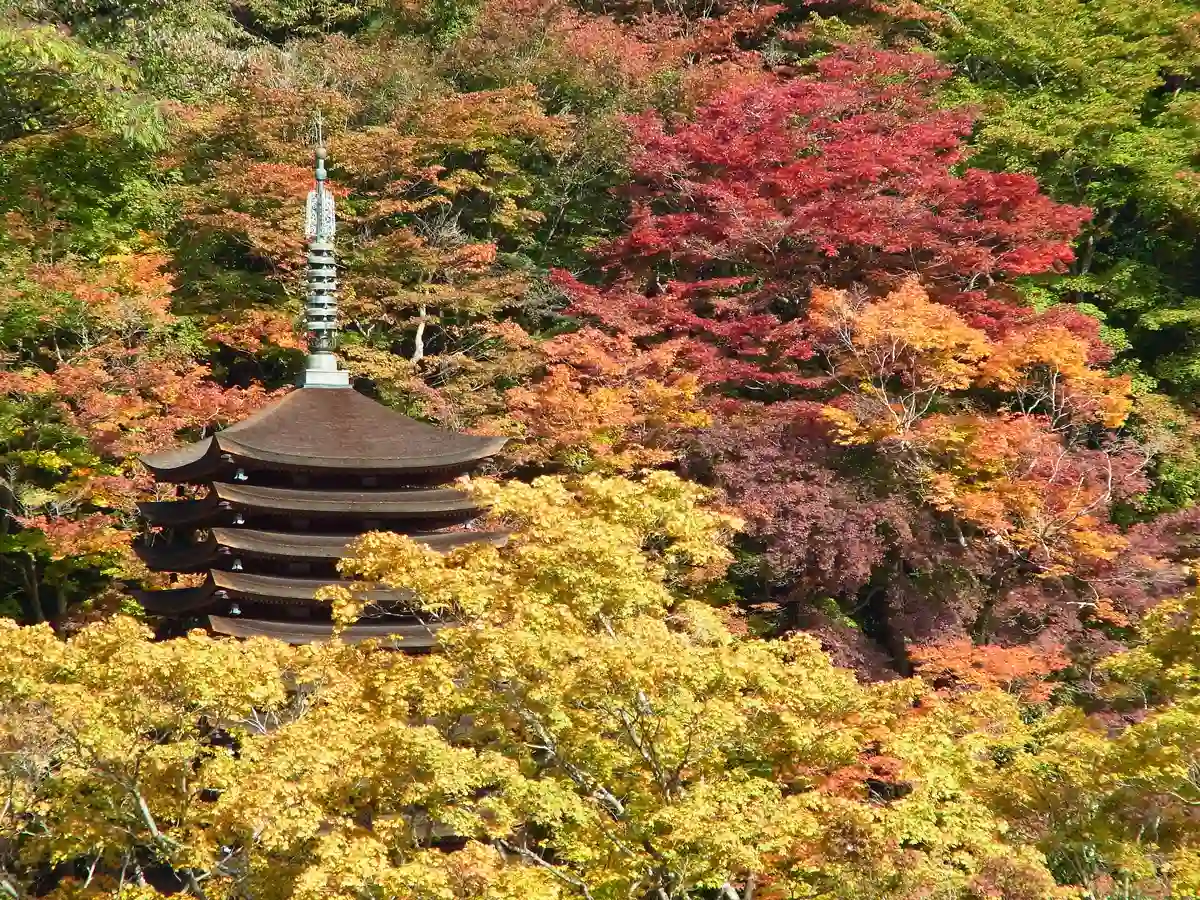 Nara
Tanzan Shrine
Site of the secret council that reshaped Japan, with the only wooden thirteen-story pagoda.
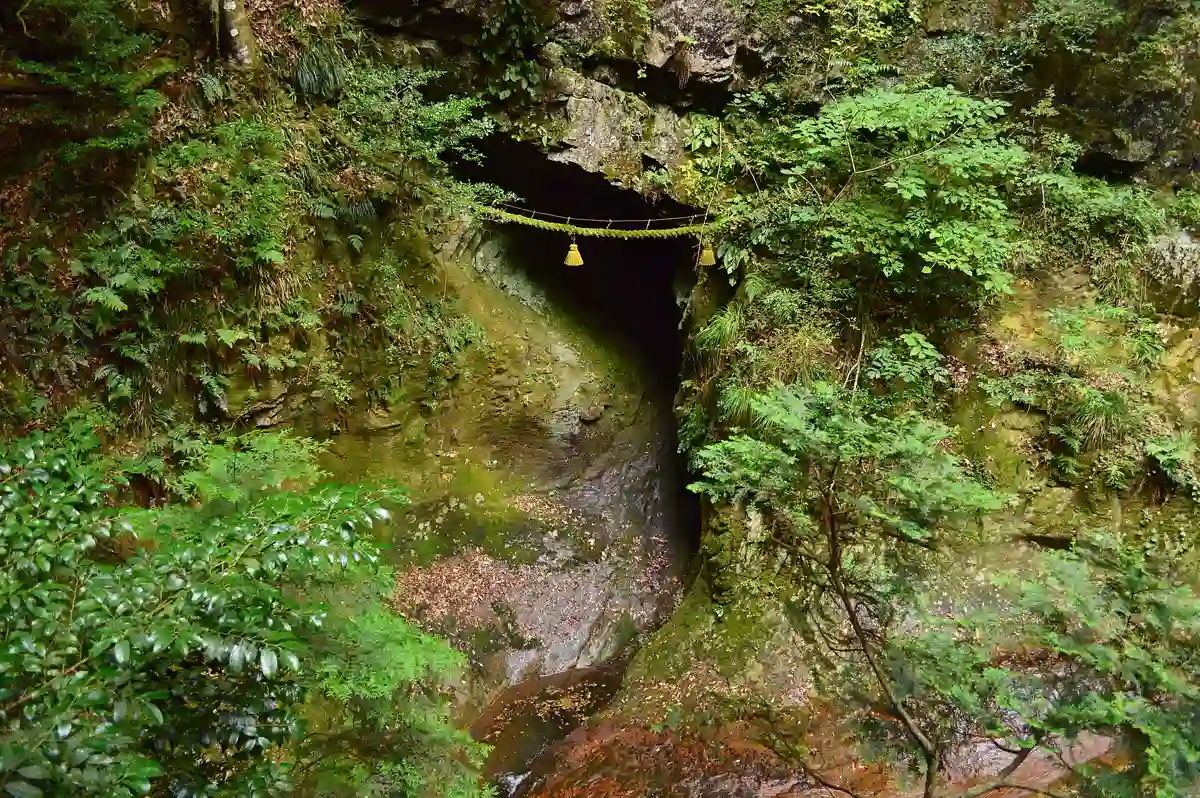 Nara
Muro Ryuketsu Shrine
A water shrine whose sacred object is Kissho Ryuketsu, the cave where a dragon is said to dwell.
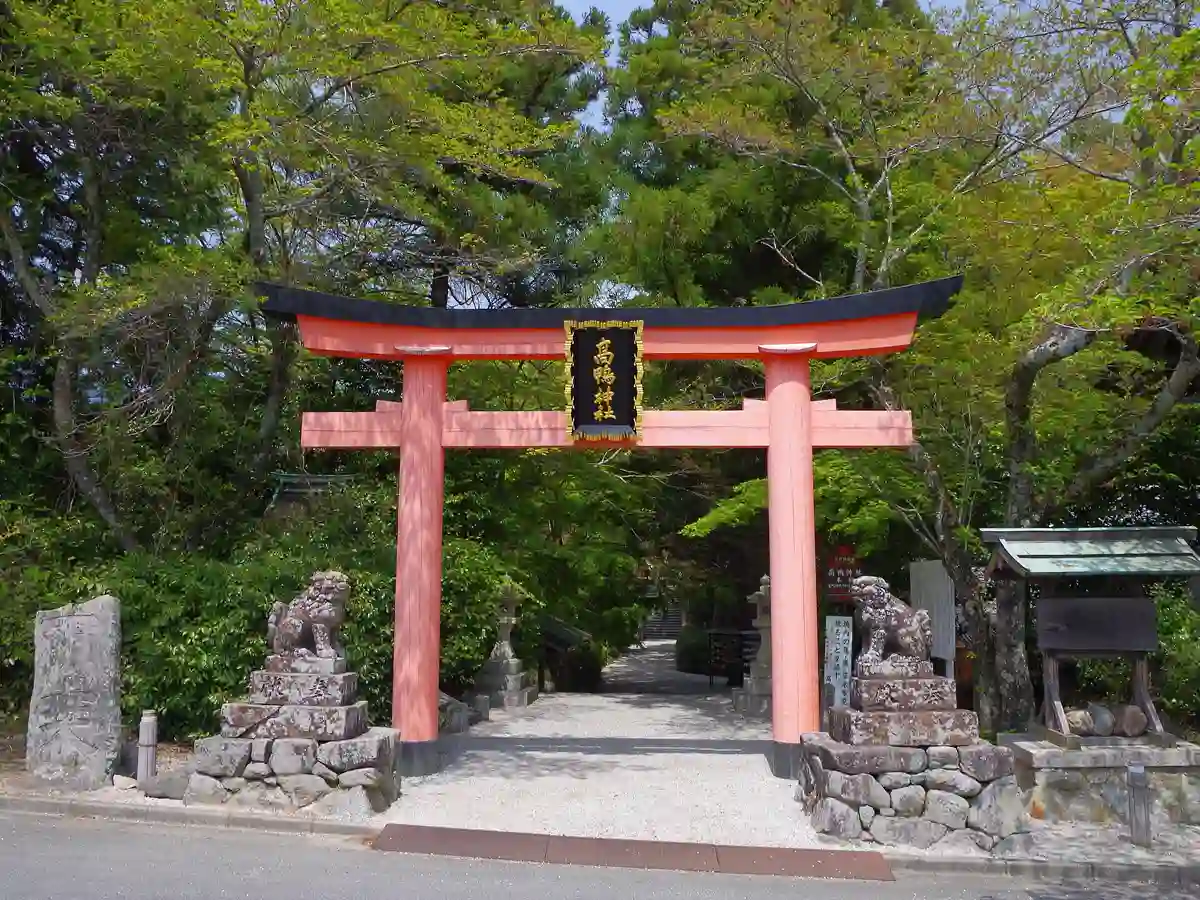 Nara
Takakamo Shrine
Birthplace of the Kamo clan and the ancestral shrine of Kamo shrines nationwide.
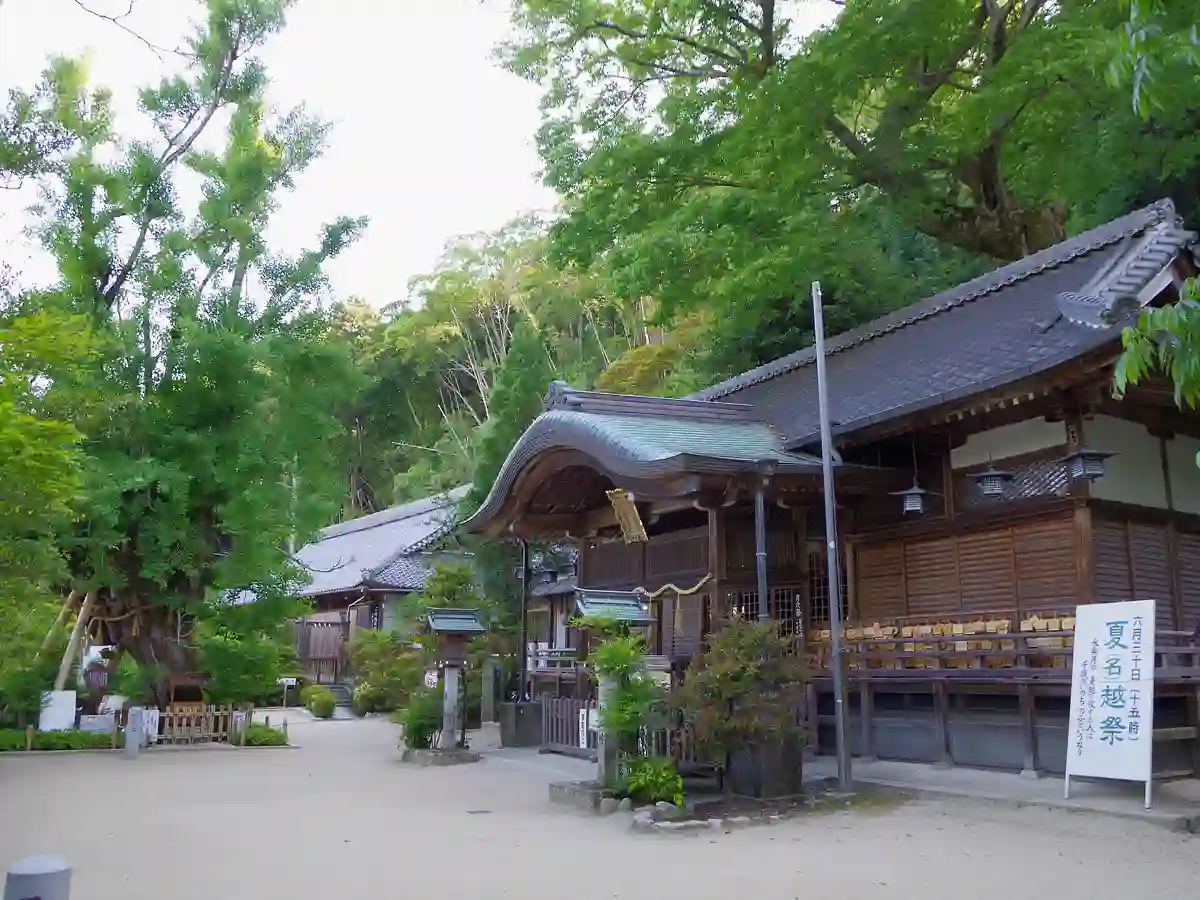 Nara
Katsuragi Hitokotonushi Shrine
"Ichigon-san," the deity said to grant a wish spoken in a single word.
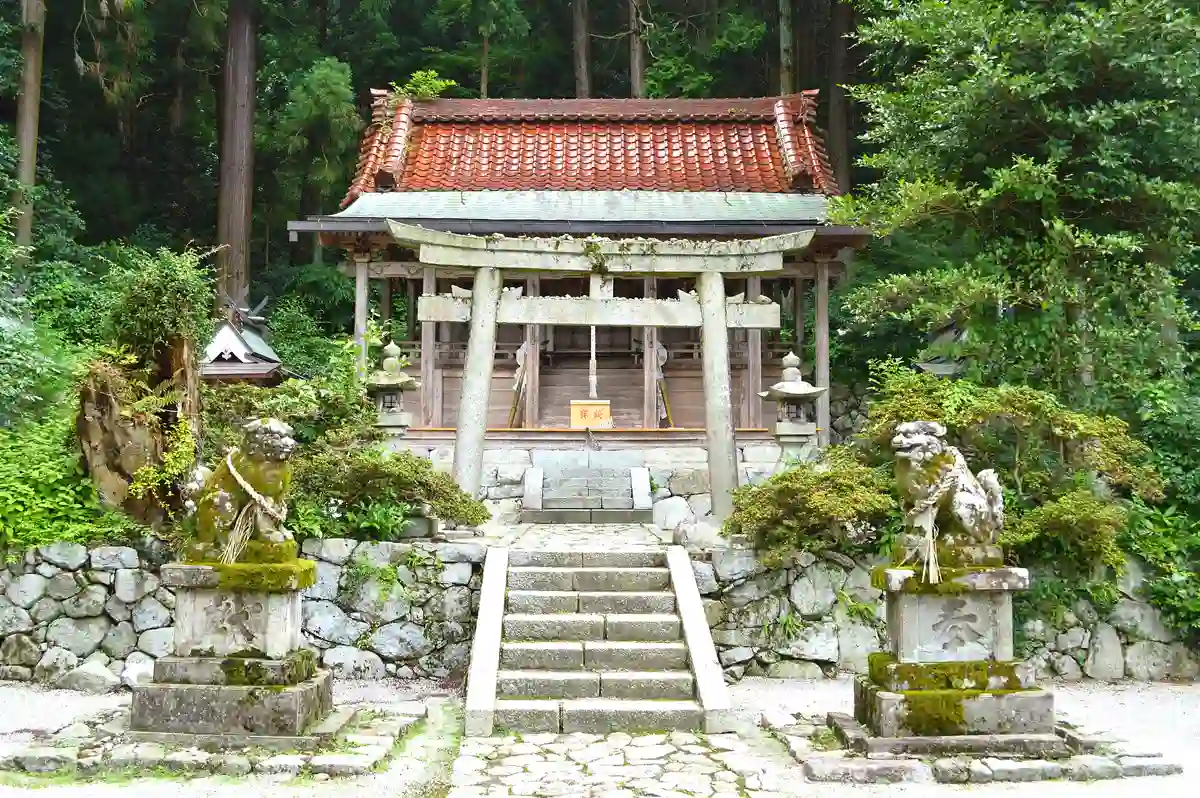 Nara
Takamahiko Shrine
Shrine of the musubi deity, in a place handed down as Takamagahara, the High Plain of Heaven.
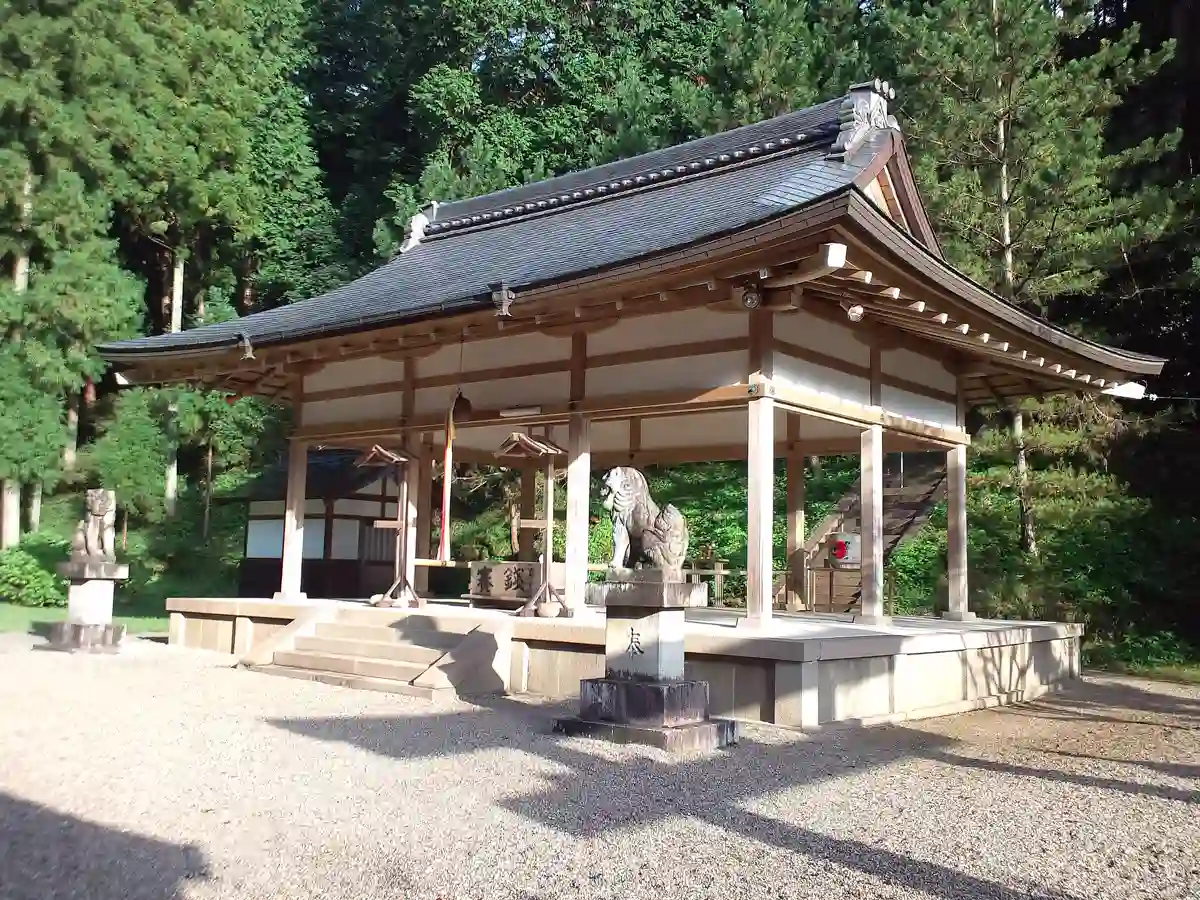 Nara
Yatagarasu Shrine
Shrine of Yatagarasu, the crow that guided Emperor Jimmu, a shrine of opening the way.
Wakayama
3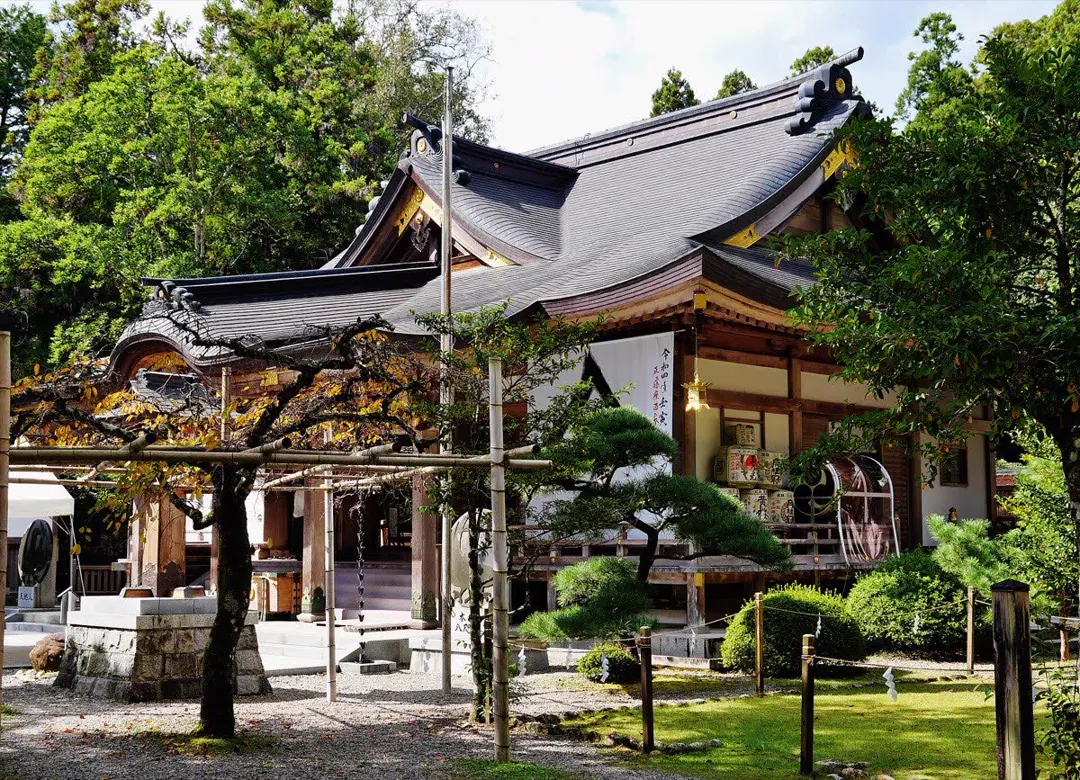 Wakayama
Kumano Hongu Taisha
Sacred ground of rebirth — the heart of the three grand shrines of Kumano.
 Wakayama
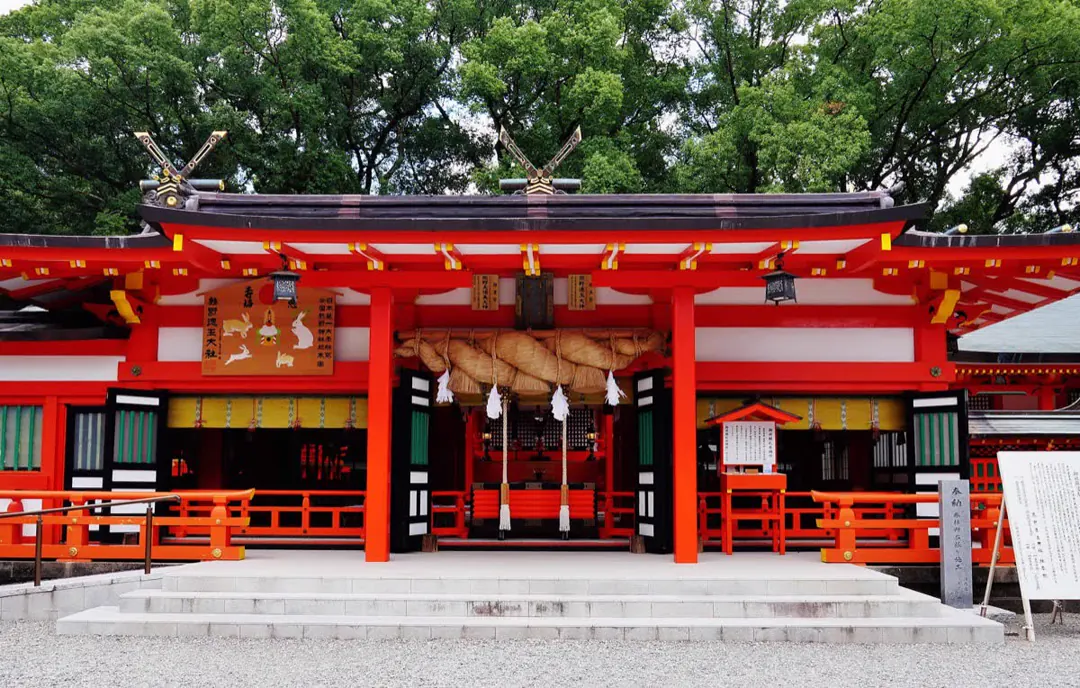
Kumano Hayatama Taisha
The vermilion grand shrine of Shingu, shaded by its sacred nagi tree.
 Wakayama
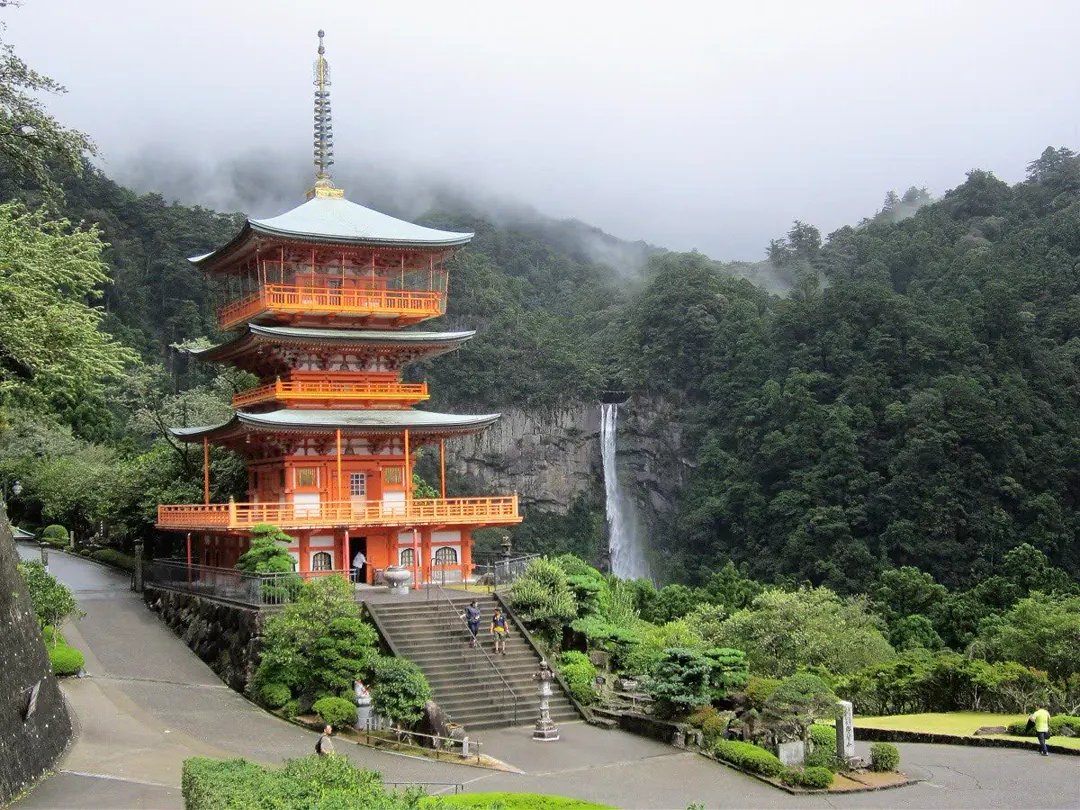
Kumano Nachi Taisha
The grand shrine of the Musubi-no-Miya, praying beside Nachi Falls.
Shimane
3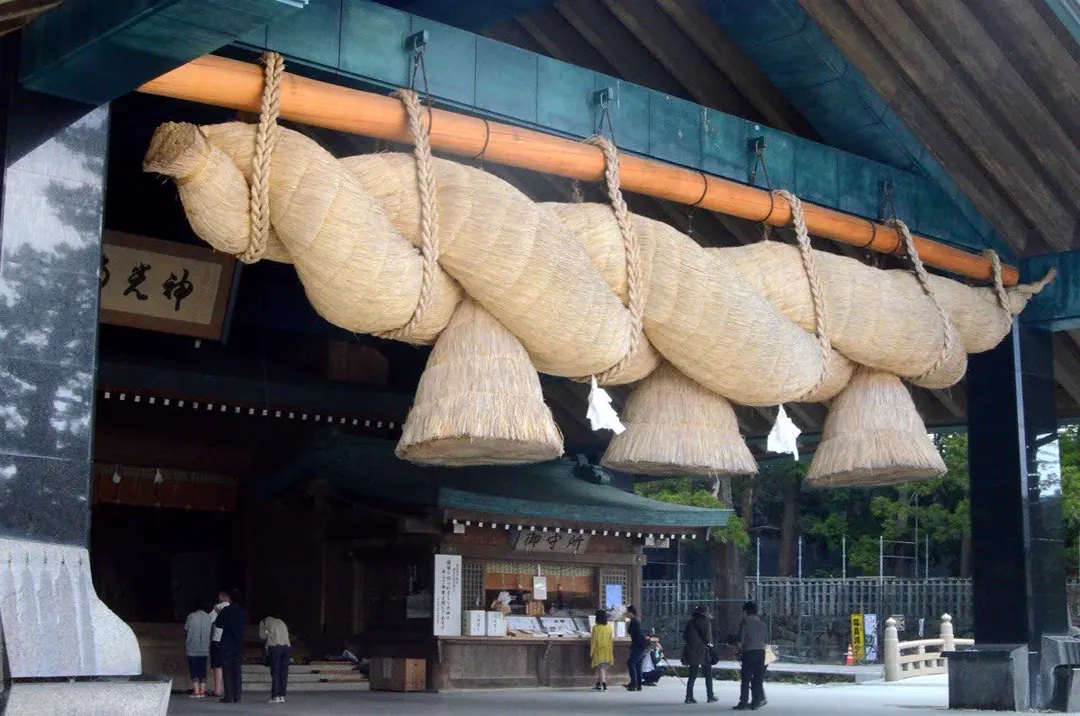 Shimane
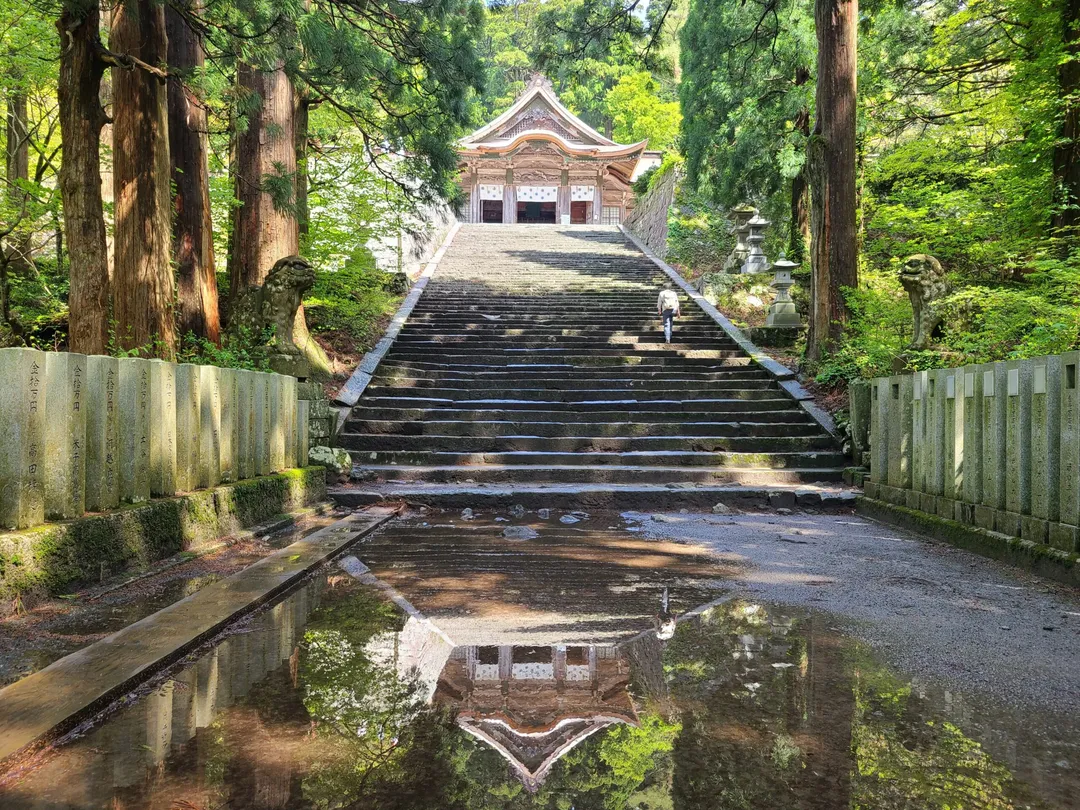
Izumo Oyashiro (Izumo Grand Shrine)
The grand shrine of en-musubi, where the myriad gods of Japan gather.
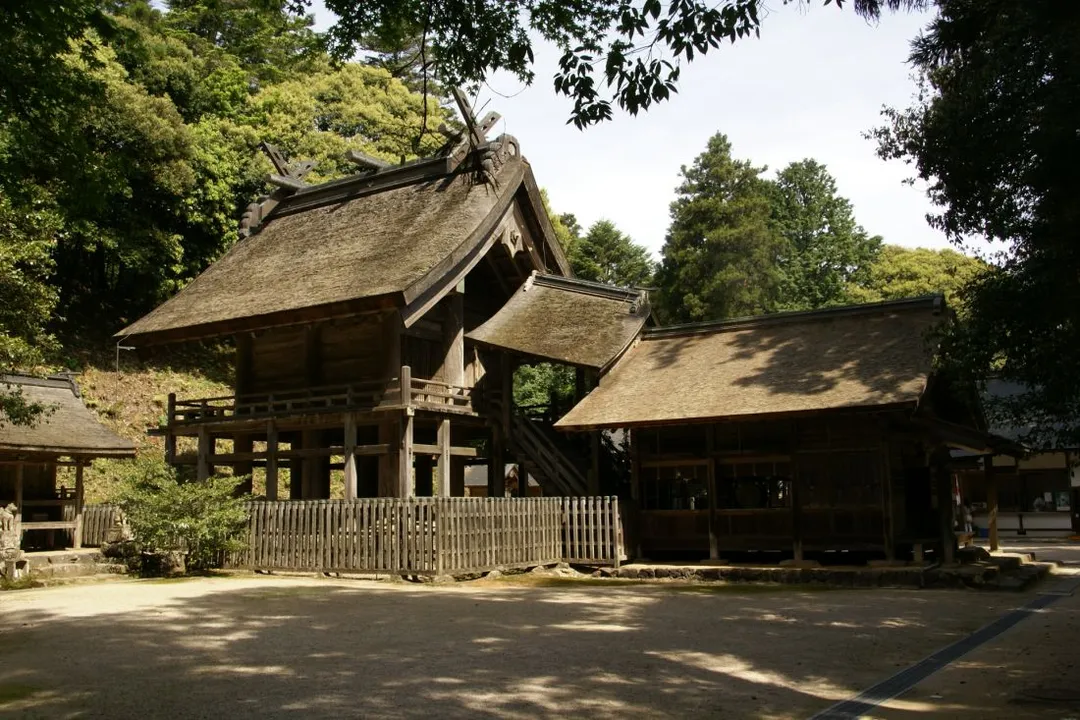 Shimane
Kamosu Shrine
The oldest surviving taisha-zukuri sanctuary, an ancient shrine of the Izumo priestly line.
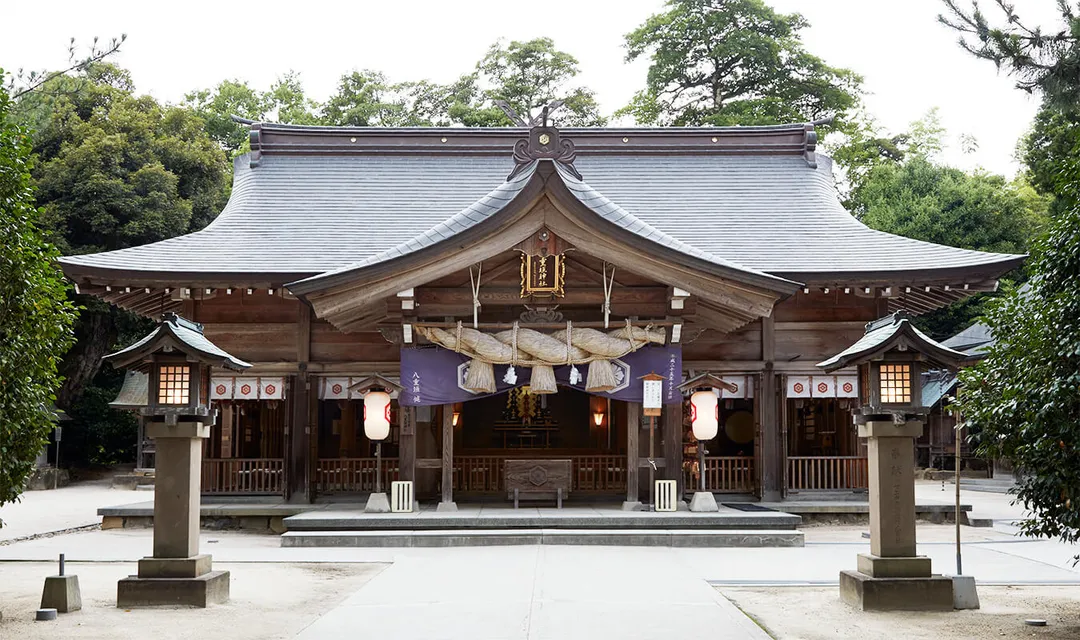 Shimane
Yaegaki Shrine
Divination at the Mirror Pond, shrine of Susanoo and Princess Inata.
Okayama
3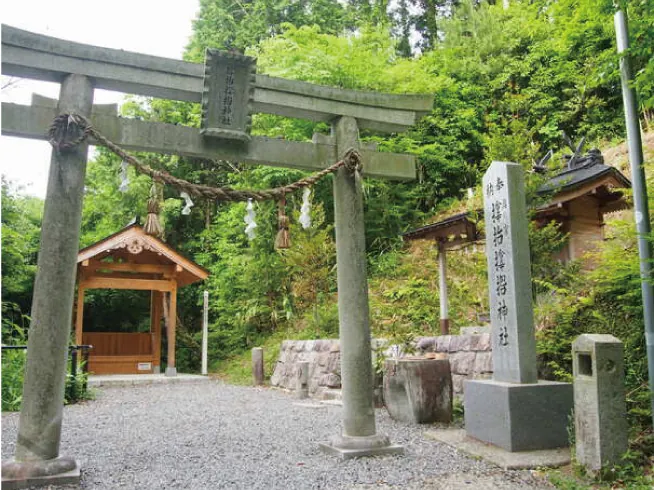 Okayama
Samuhara Shrine (Oku no Miya, the Inner Shrine)
An inner sanctuary of the three gods of creation, guarded by protective sacred characters.
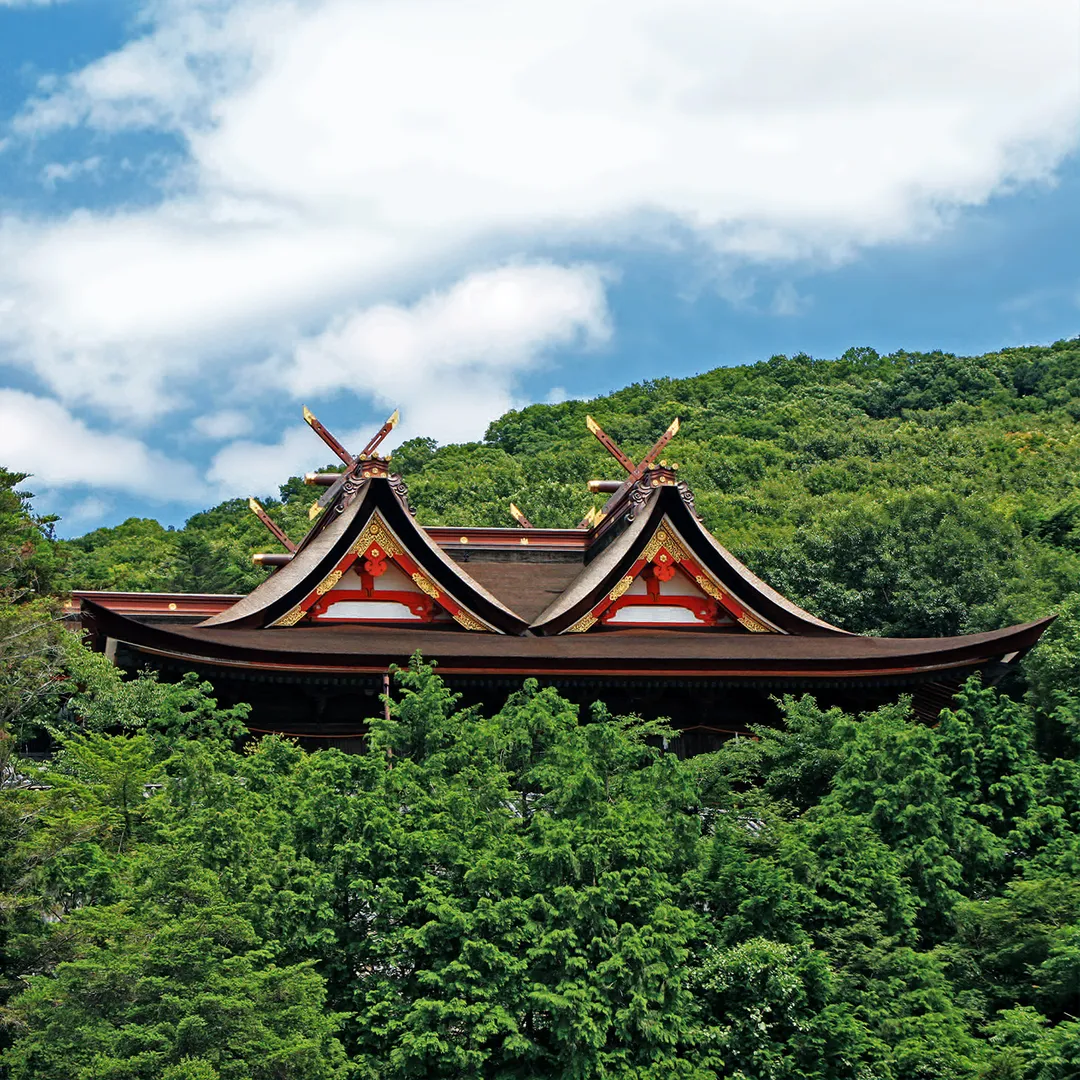 Okayama
Kibitsu Shrine
Source of the Momotaro legend, a grand shrine of paired hip-and-gable roofs.
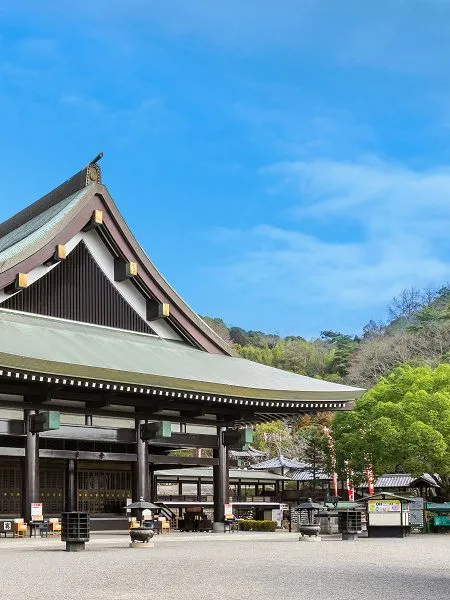 Okayama
Saijo Inari (Saijo Inarisan Myokyo-ji Temple)
A Nichiren temple of the Inari faith, preserving the old union of kami and buddhas.
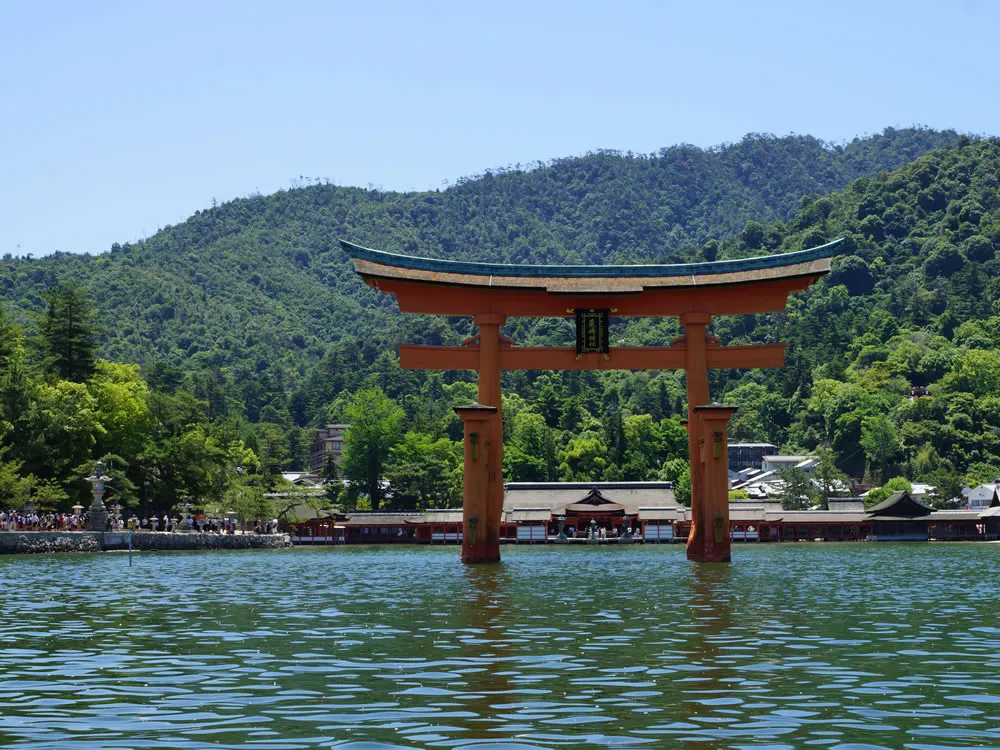
Itsukushima Shrine
The great torii rising from the sea, shrine of the three Munakata goddesses.
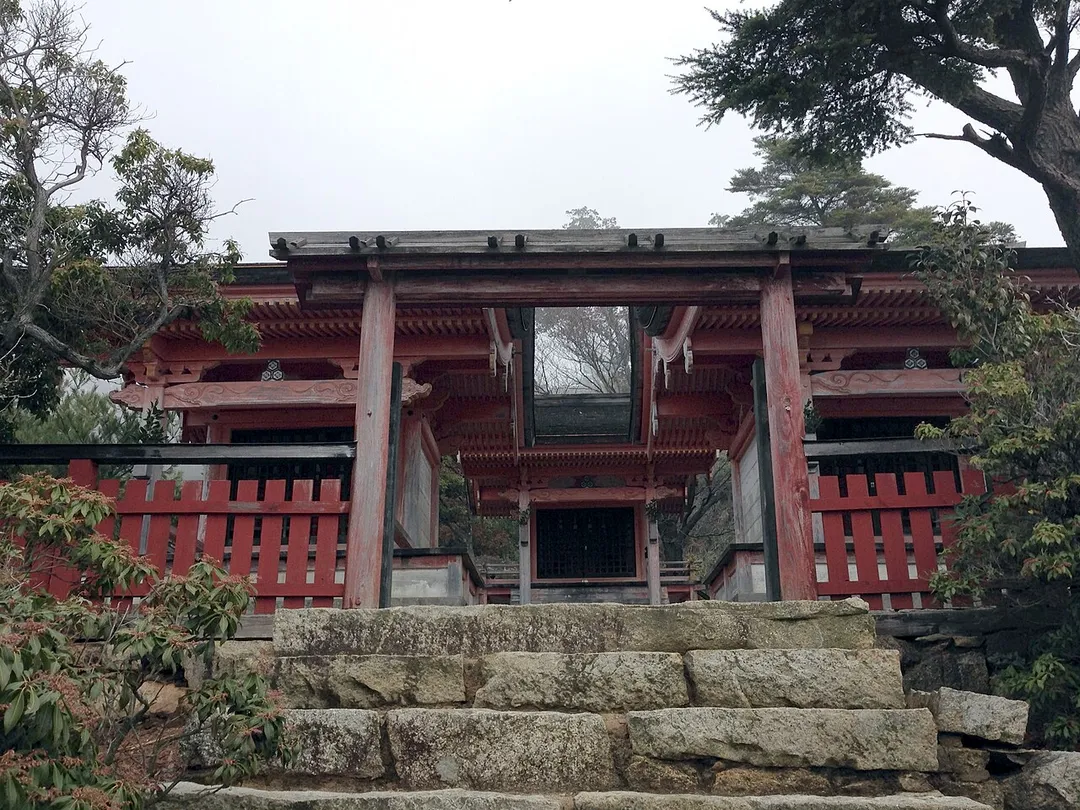
Miyama Shrine (Inner Shrine of Itsukushima)
The inner shrine of Itsukushima, resting near the summit of Mount Misen.
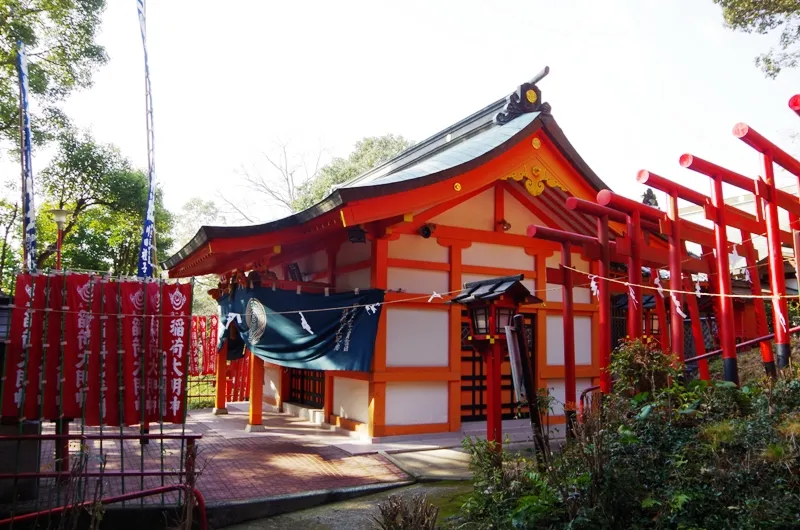
Konko Inari Shrine (Inner Shrine)
Five hundred steps beneath vermilion torii, the Inari of Mount Futaba.
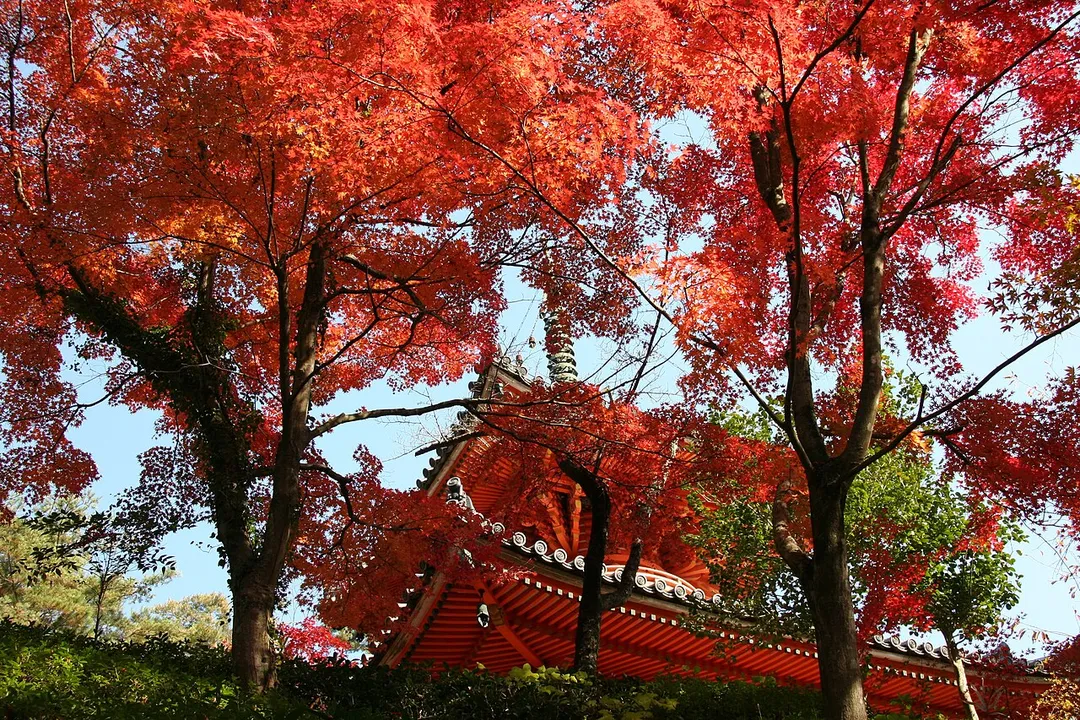
Mitaki-dera Temple
Three waterfalls flowing through a Kannon sanctuary of Hiroshima.