Benzaiten: Arts & Wealth
Ichikishima-hime and Benzaiten, enshrined beside the water — deities of artistry, wealth, and talent.
For wishes likeThe arts, music, beauty, the flowering of talent, financial fortune
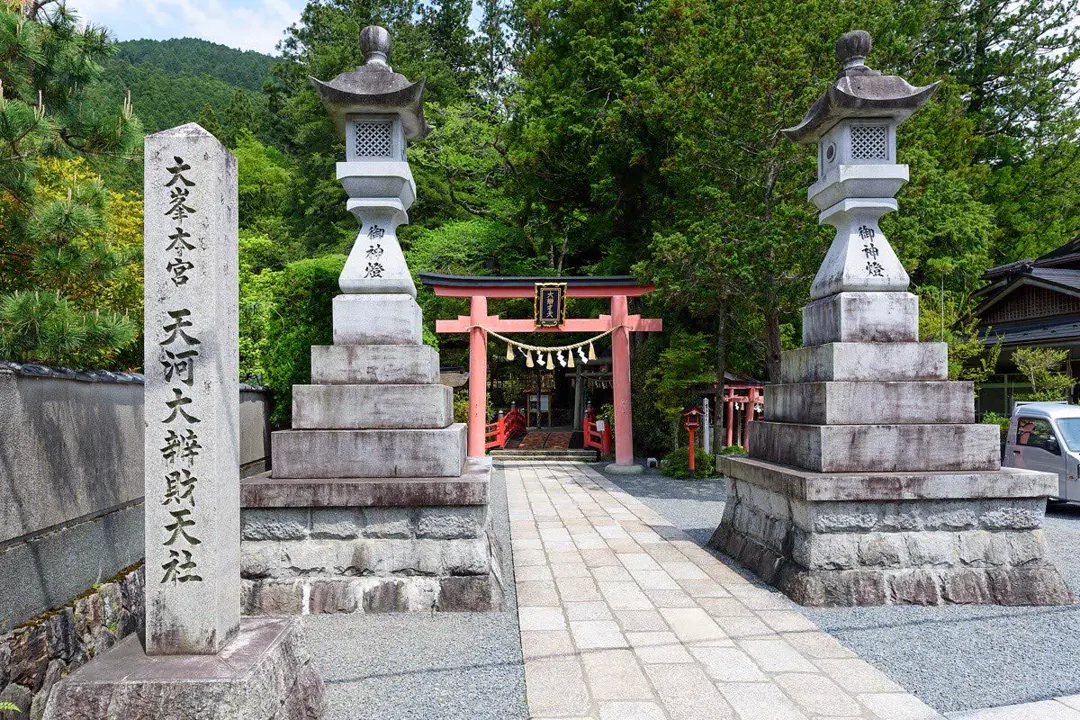 Nara
NaraTenkawa Daibenzaiten Shrine
The Benzaiten of the performing arts, worshipped to the sound of the Isuzu bells.
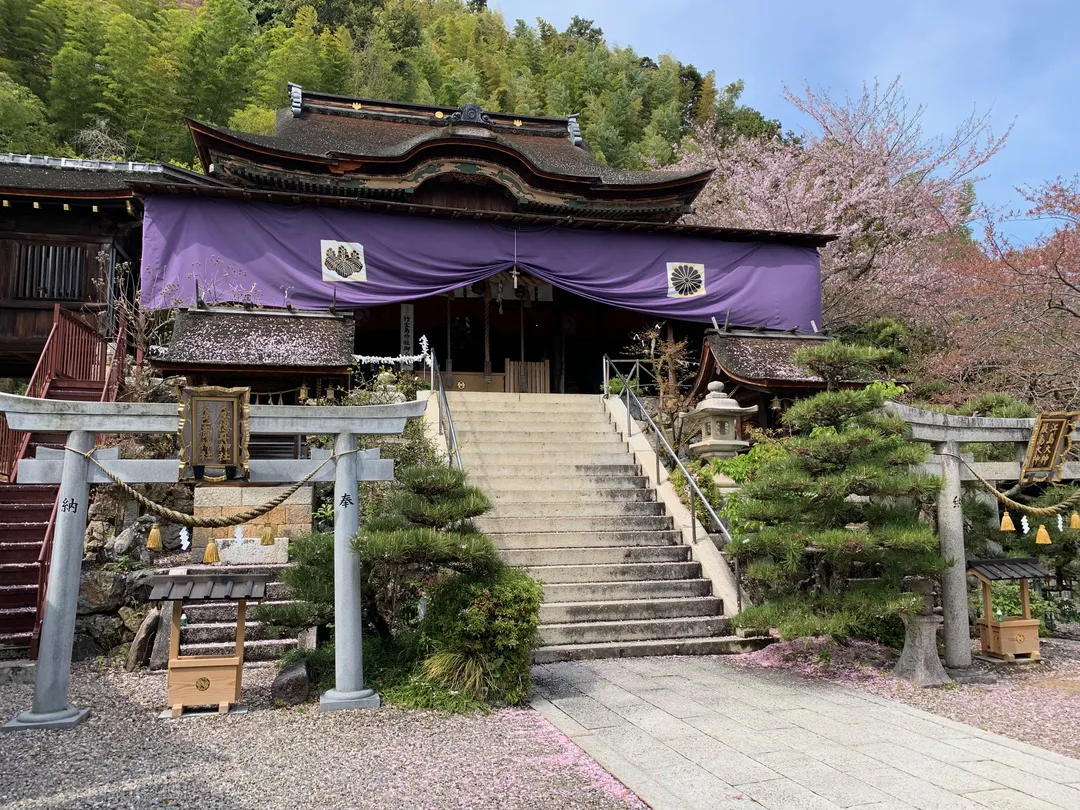
Chikubushima Shrine (Tsukubusuma Shrine)
Benzaiten of Chikubushima, the sacred island floating on Lake Biwa.
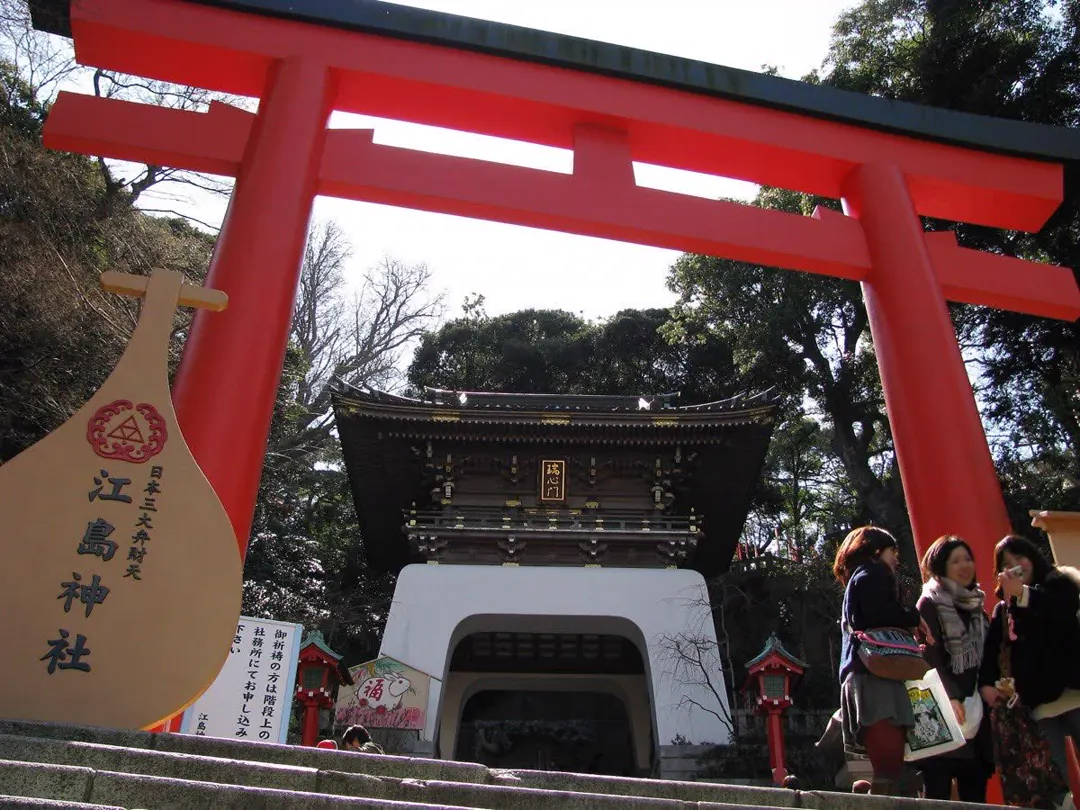 Kanagawa
Enoshima Shrine
An island of three sanctuaries enshrining the Munakata goddesses — one of Japan's three great Benzaiten.
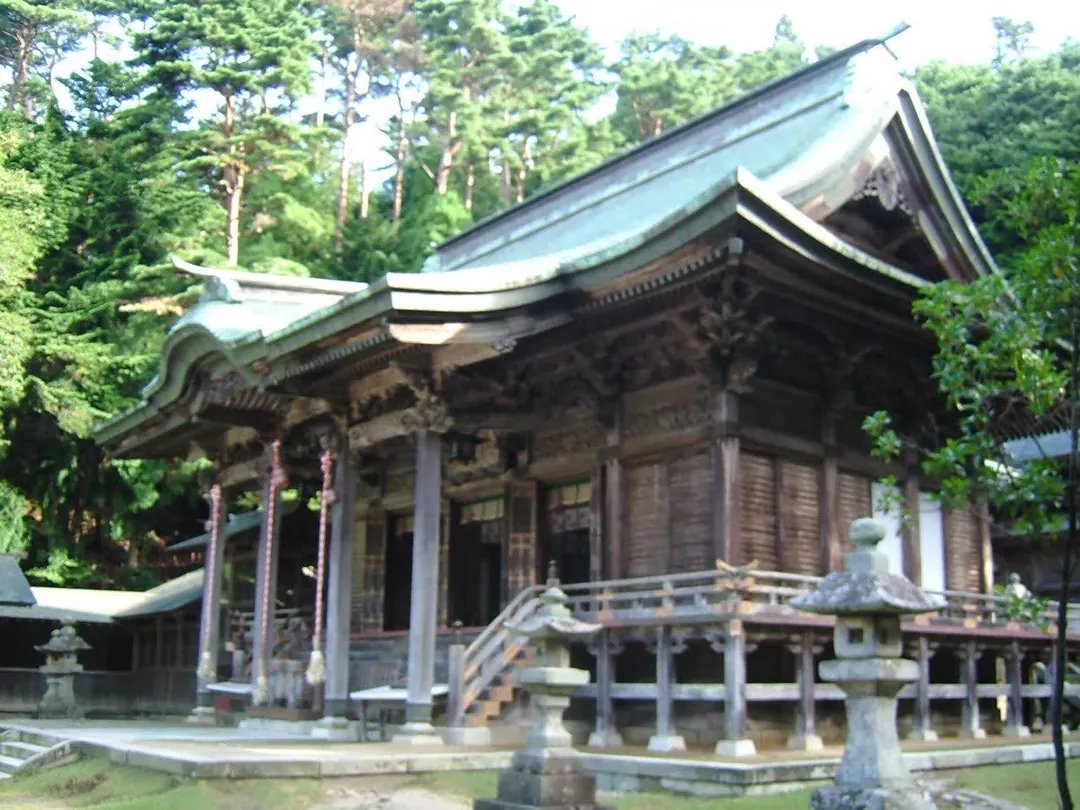 Miyagi
Kinkasan Koganeyama Shrine
A sacred island of golden legend, holy ground from shore to summit.
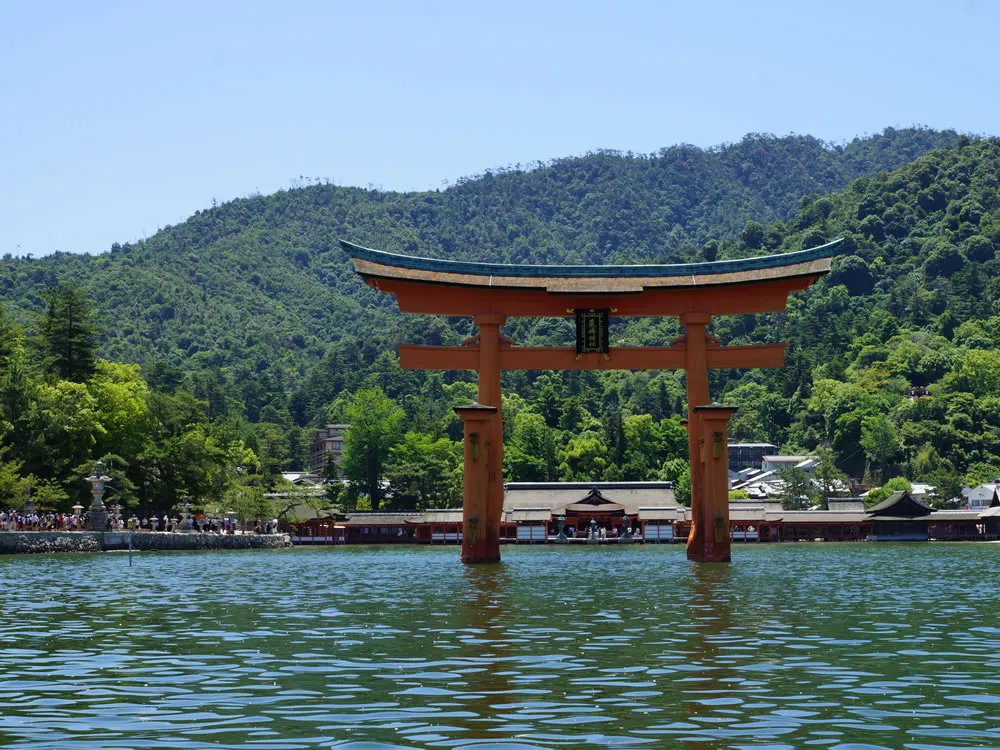
Itsukushima Shrine
The great torii rising from the sea, shrine of the three Munakata goddesses.
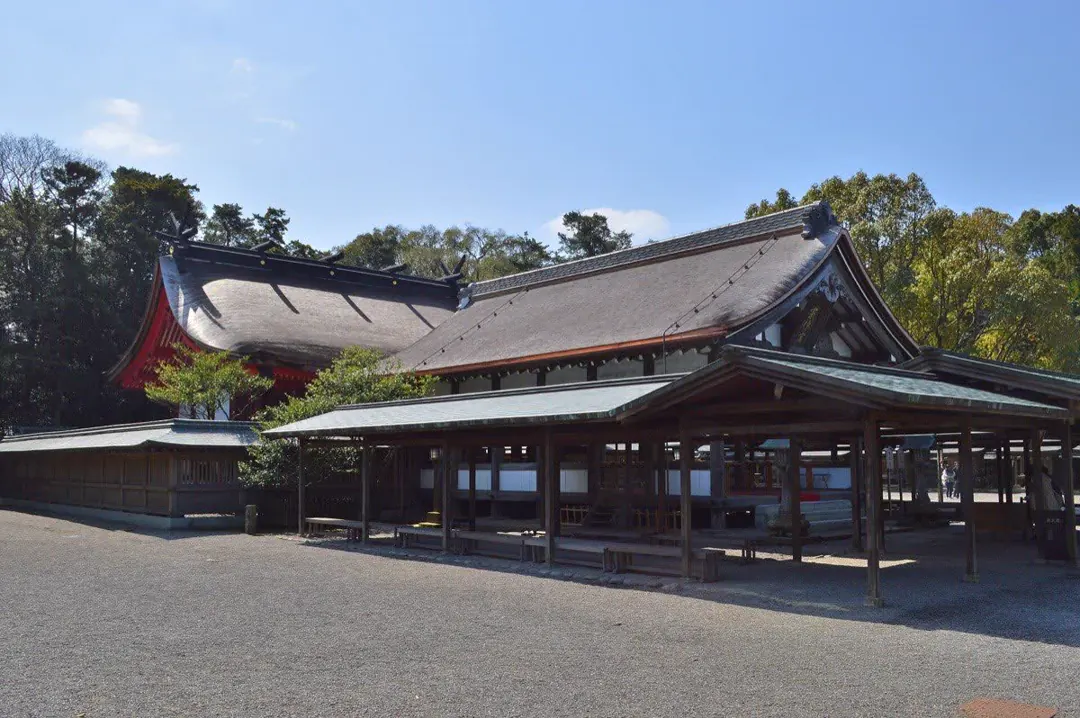 Fukuoka
Munakata Taisha
Three sanctuaries of Michinushi no Muchi, the deity who guides every path.
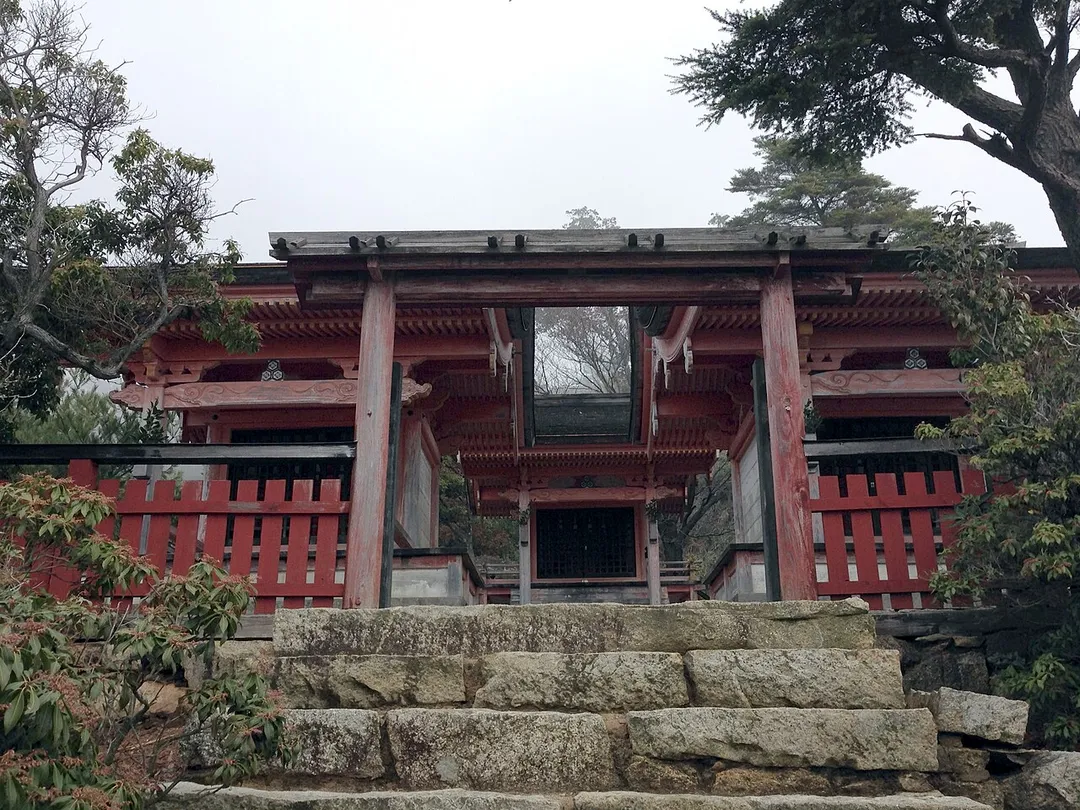
Miyama Shrine (Inner Shrine of Itsukushima)
The inner shrine of Itsukushima, resting near the summit of Mount Misen.
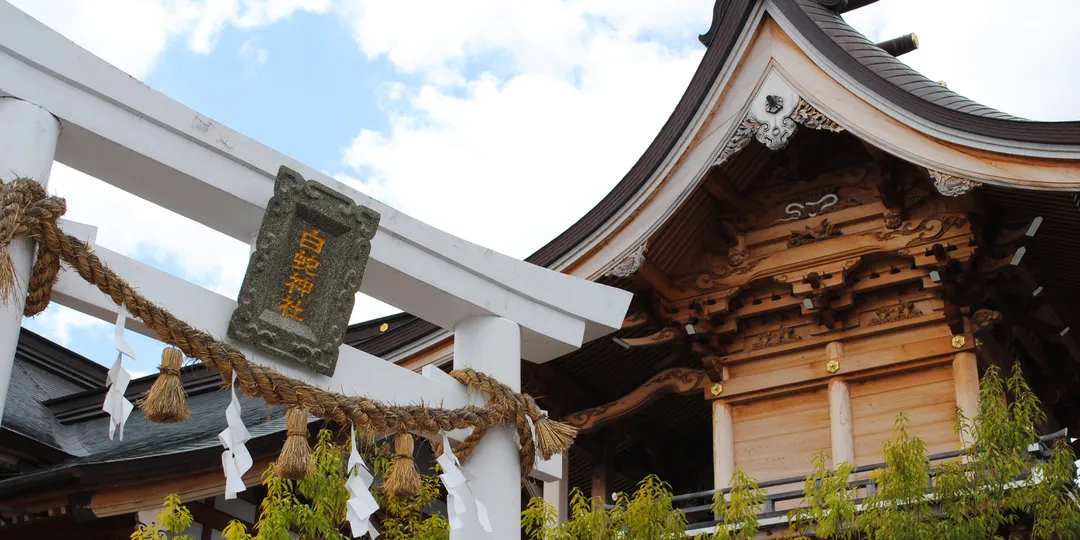
Iwakuni Shirohebi Shrine
Guardian of the natural-monument white snakes, a shrine linked to Benzaiten.
About Benzaiten: Arts & Wealth
Shrines of the Benzaiten lineage enshrine Ichikishimahime no Mikoto, who rests by the waterside, and Benzaiten, who came to Japan together with Buddhism. Enshrined in great numbers on ponds, rivers, and seaside islands, this lineage is known for the interweaving of the faith of water with that of the arts and of talent.
Ichikishimahime no Mikoto, one of the three Munakata goddesses, is held to be a guardian of the sea lanes and the ways of water, and her divinity came to be joined with Benzaiten, deity of water and of the arts, and widely venerated. Benzaiten is said to derive originally from an Indian deity of water and of words; in the course of her transmission to Japan she merged with Ichikishimahime, and through the history of shinbutsu shūgō — the fusion of kami and buddhas — came to be enshrined by watersides across the land. That her shrines so often rest upon islands, sandbars, and islets within ponds tells of this deep bond with water.
Held originally to preside over the sound of flowing streams, she is said to suit those who pray for progress in music, in the arts and accomplishments, in eloquence, and in learning. Known also for blessings concerning wealth and talent, this lineage often draws those who would polish their craft, those who would bring their powers to bear in expression or in trade, and those whose work is the handling of words.
At waterside shrines, it is said that the care taken to keep the ponds and springs of the precincts pure leads of itself into the manner of worship. Rather than one-sidedly asking for what may be granted, it is considered good to bow in the spirit of renewing, before the deity, one's vow of daily practice and diligence in one's work. When one's efforts bear fruit, a visit of thanks is said to mark a fitting close.
Even within the same Benzaiten lineage, the watersides take many forms — shrines resting on islands of the sea, shrines upon islets within ponds, shrines beside springs among the mountains. Rather than by rank, it is said to be good to choose a shrine with ties to one's own practice or livelihood, or one in a region easy to reach, and to make one's way there from time to time as a support for one's diligence.