En-musubi: Bonds & Love
Shrines that govern musubi — the tying of bonds — not only in love, but with people, work, and place.
For wishes likeLove and marriage, rekindled ties, human relationships, professional connections
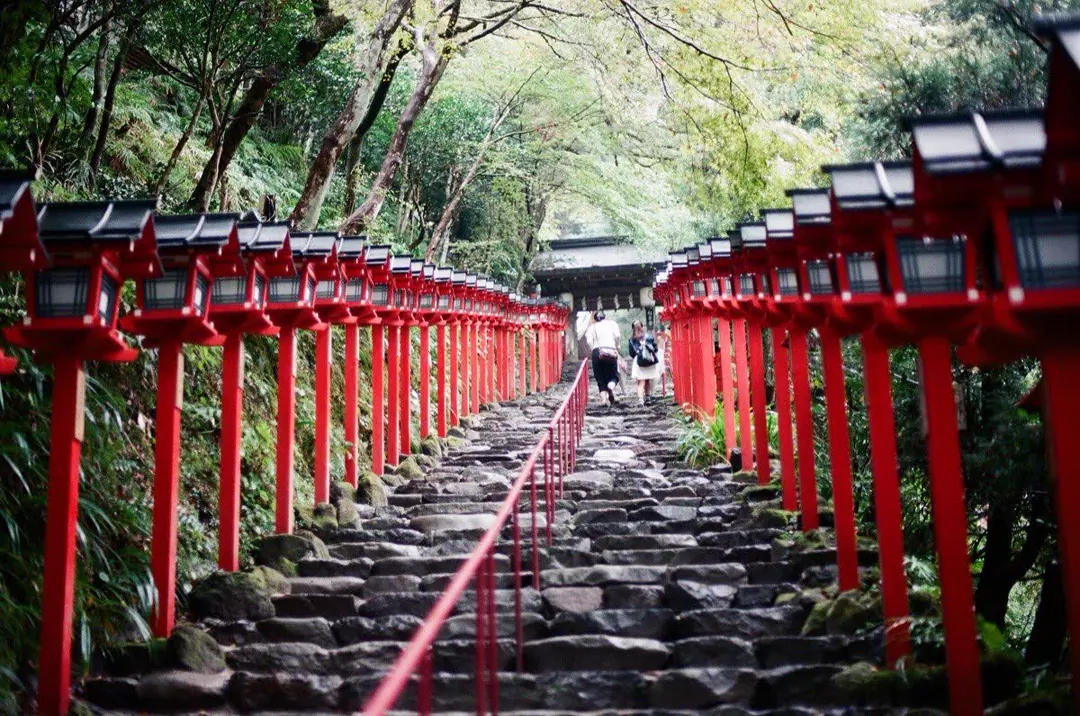 Kyoto
KyotoKifune Shrine
Head shrine of the water deity, on the banks of the Kifune River.
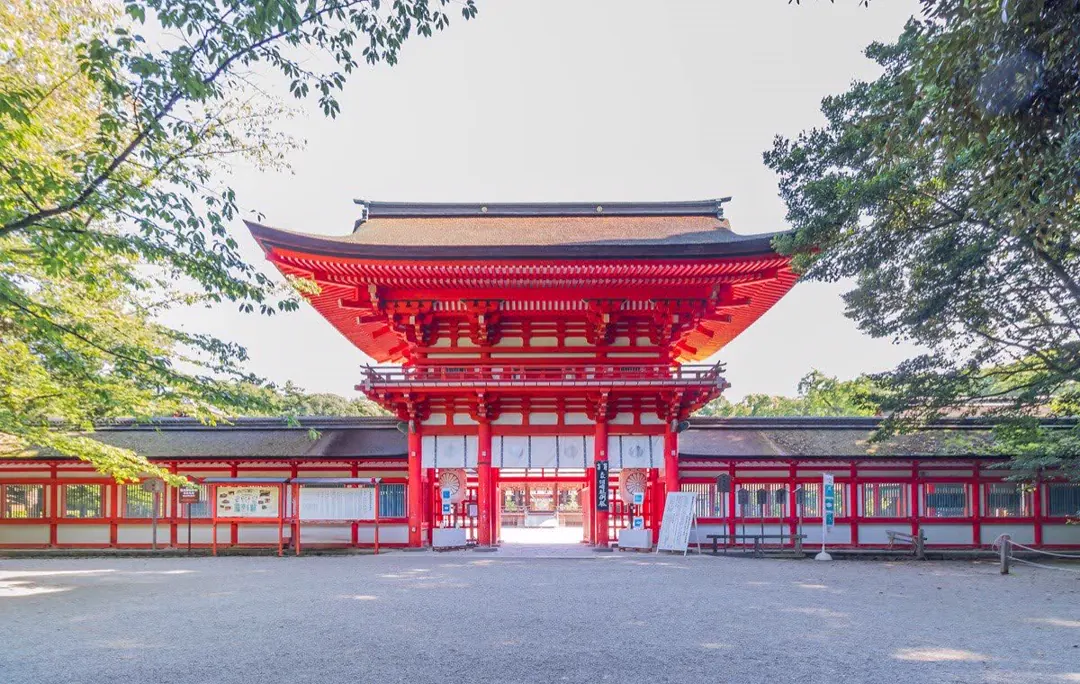 Kyoto
KyotoShimogamo Shrine (Kamo Mioya Jinja)
An ancient shrine of matchmaking, deep in the Tadasu-no-Mori forest.
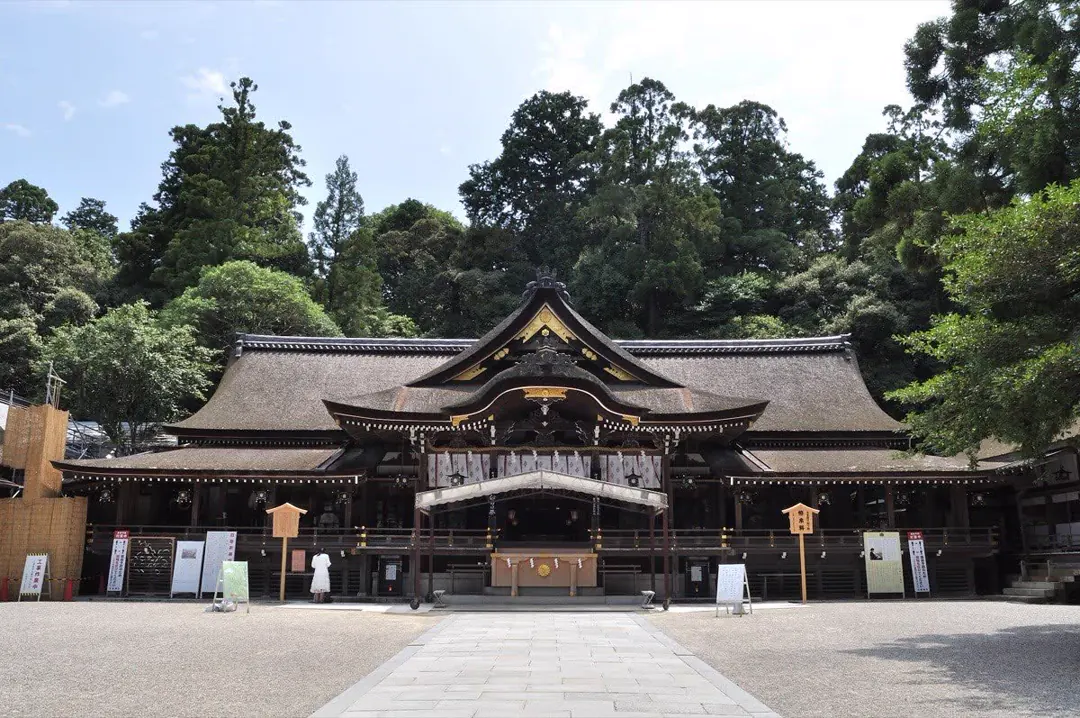 Nara
NaraOmiwa Shrine
One of Japan's oldest shrines, whose sacred body is Mount Miwa itself.
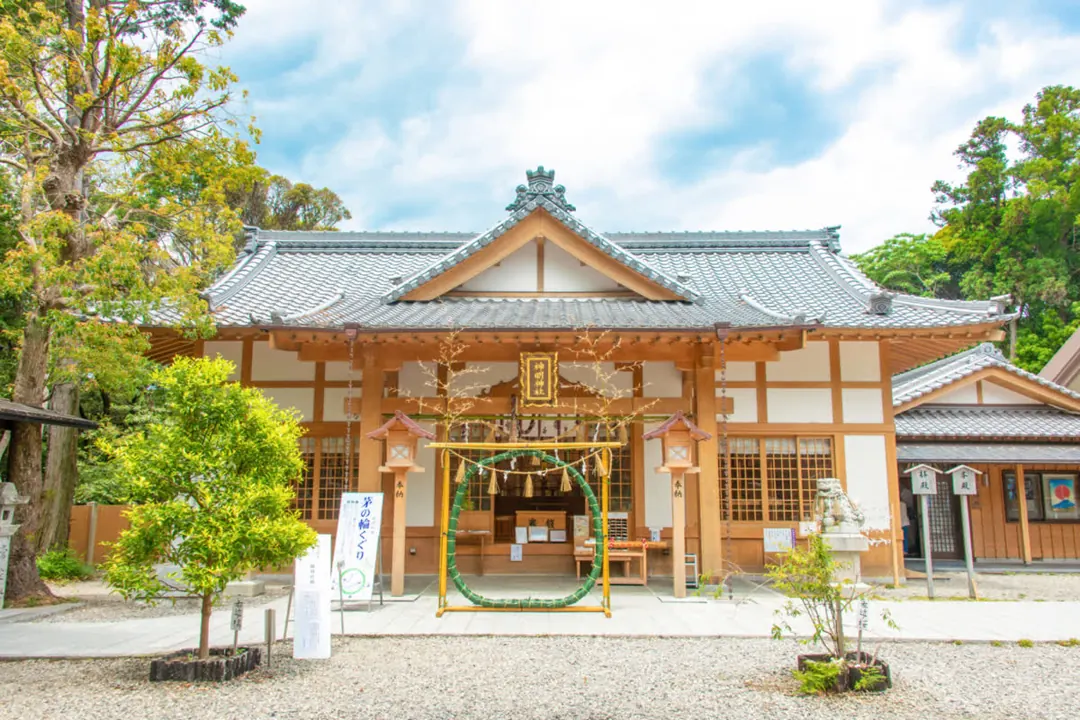 Mie
MieShinmei Shrine (Ishigami-san)
The ama divers' shrine, said to grant one wish to every woman.
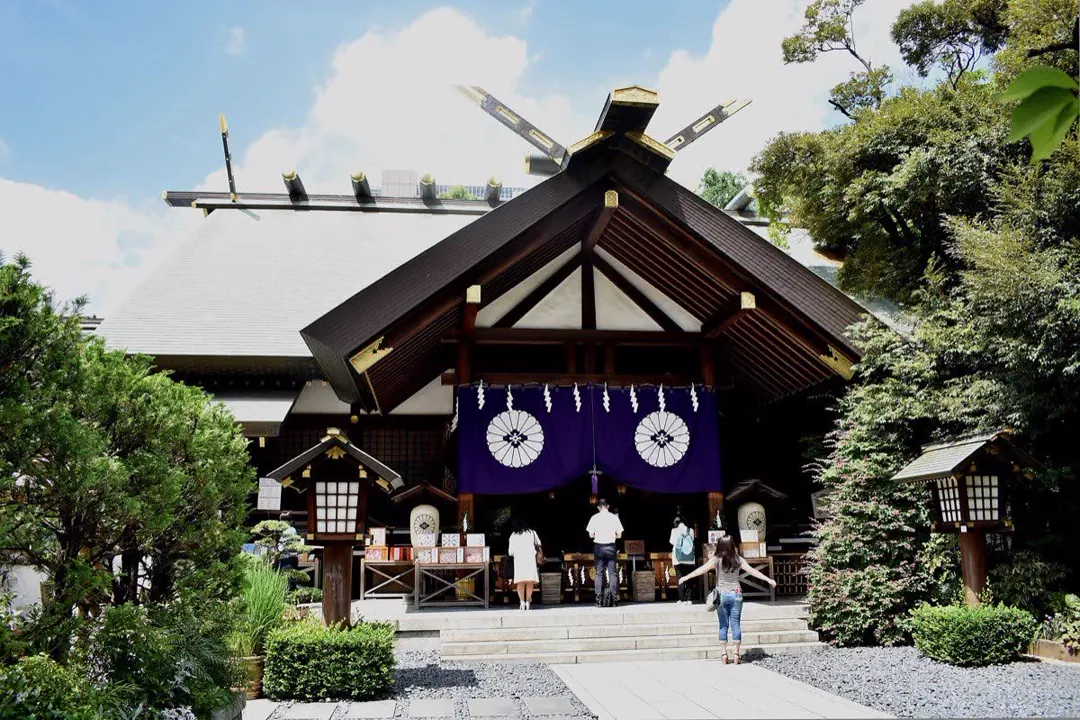 Tokyo
TokyoTokyo Daijingu
Known as "Tokyo's Ise," a shrine devoted to musubi — the tying of bonds.
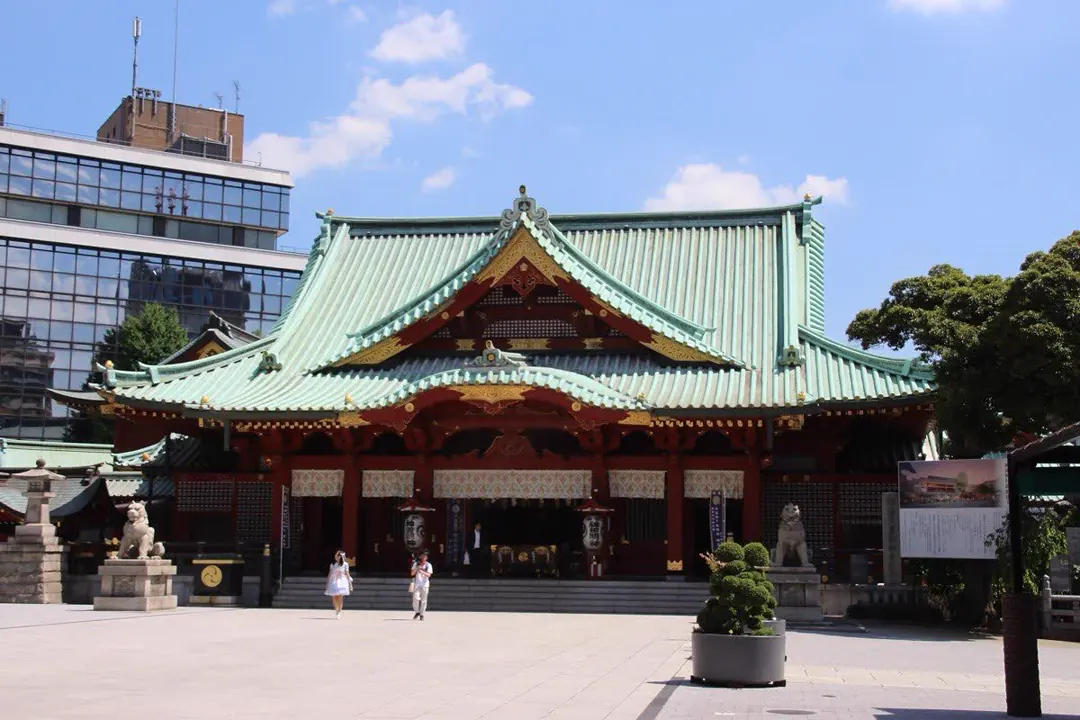 Tokyo
TokyoKanda Myojin (Kanda Shrine)
The guardian shrine of old Edo, enshrining Daikoku, Ebisu, and Lord Masakado.
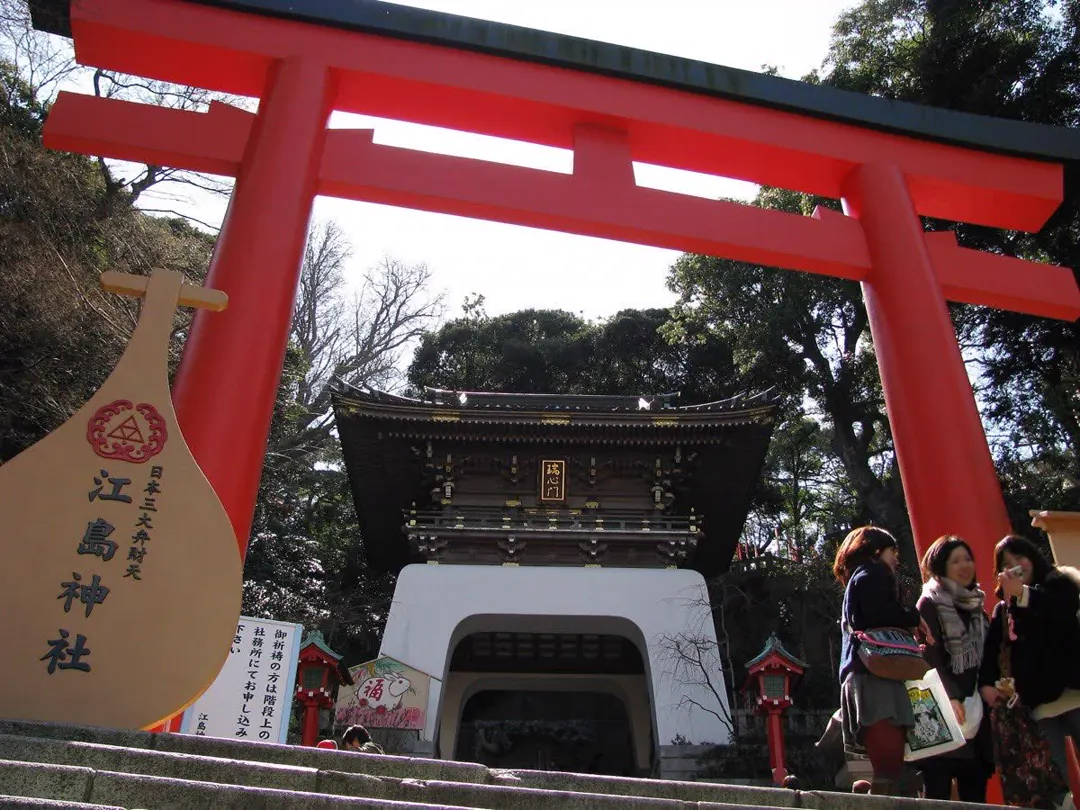 Kanagawa
Enoshima Shrine
An island of three sanctuaries enshrining the Munakata goddesses — one of Japan's three great Benzaiten.
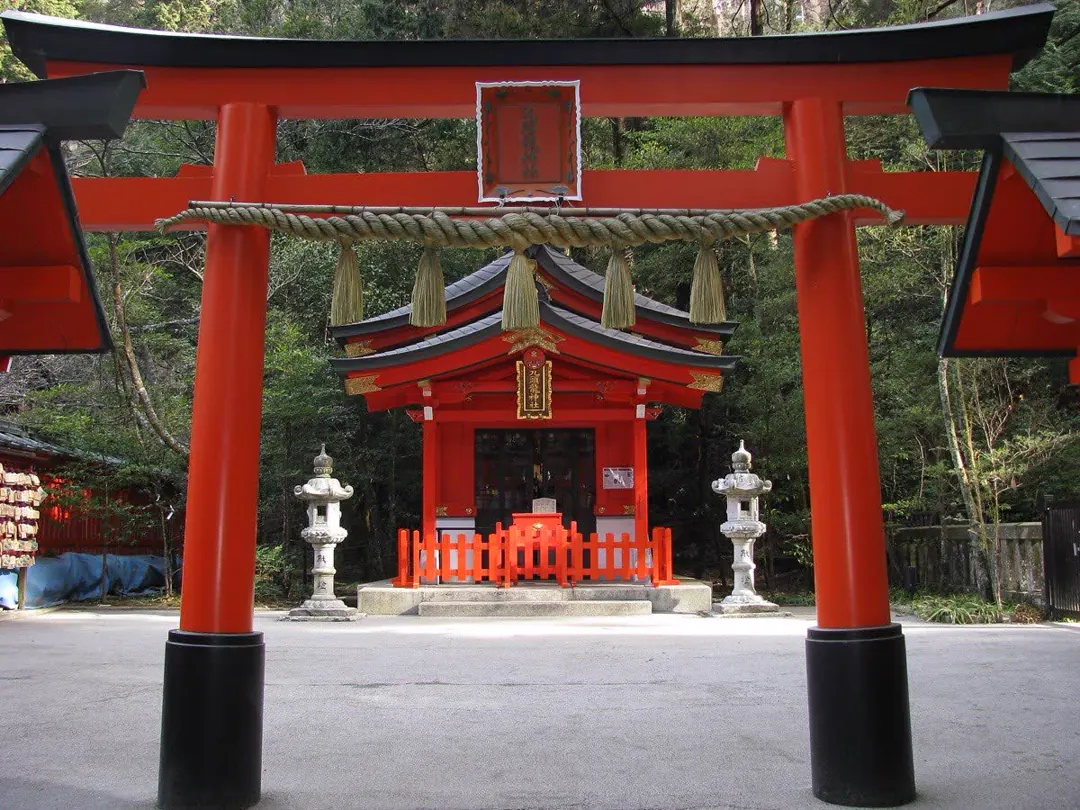 Kanagawa
Kuzuryu Shrine (Hongu)
The nine-headed dragon deity at rest on the shore of Lake Ashi, with a monthly rite on the thirteenth.
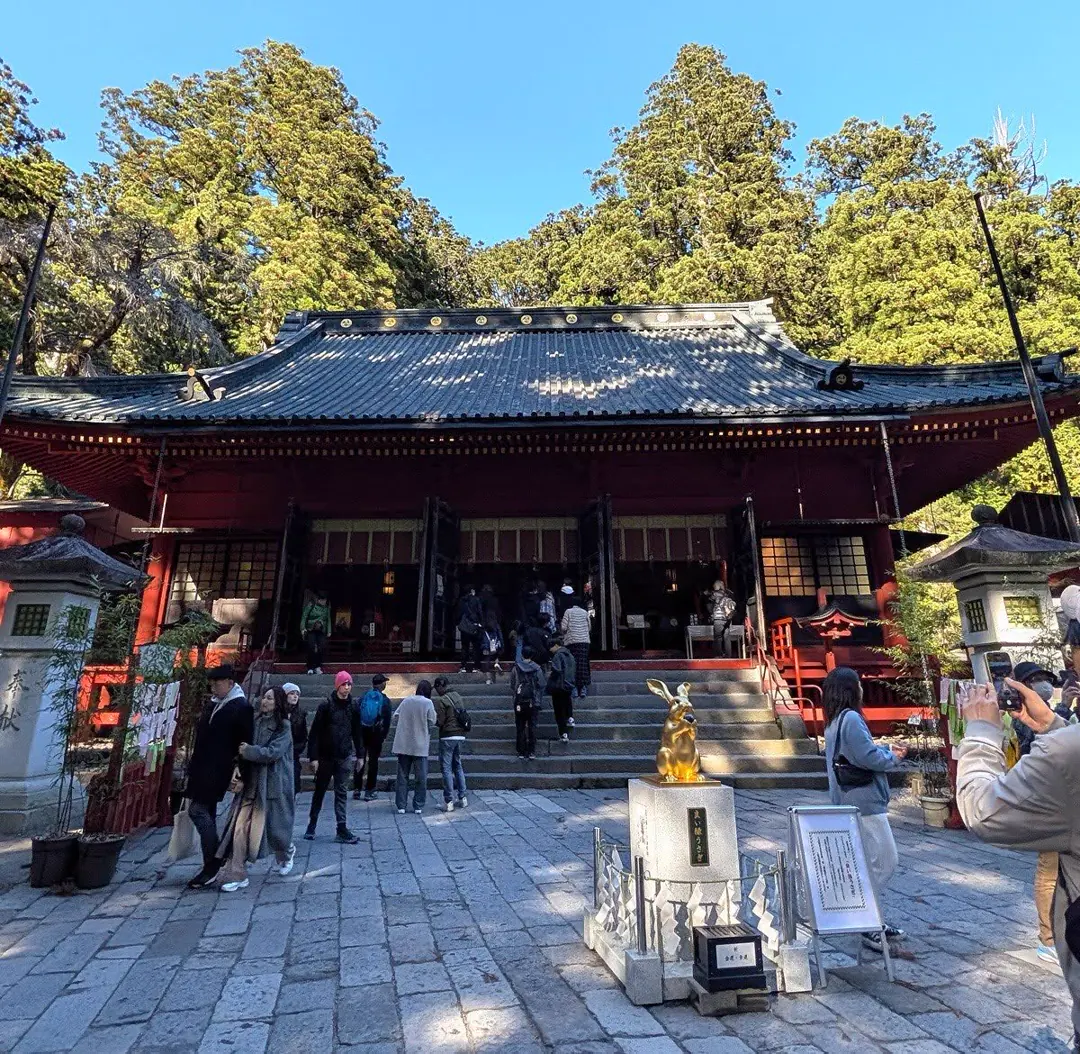 Tochigi
Nikko Futarasan Shrine
A shrine of Onamuchi, deity of en-musubi, at rest within the World Heritage precincts of Nikko.
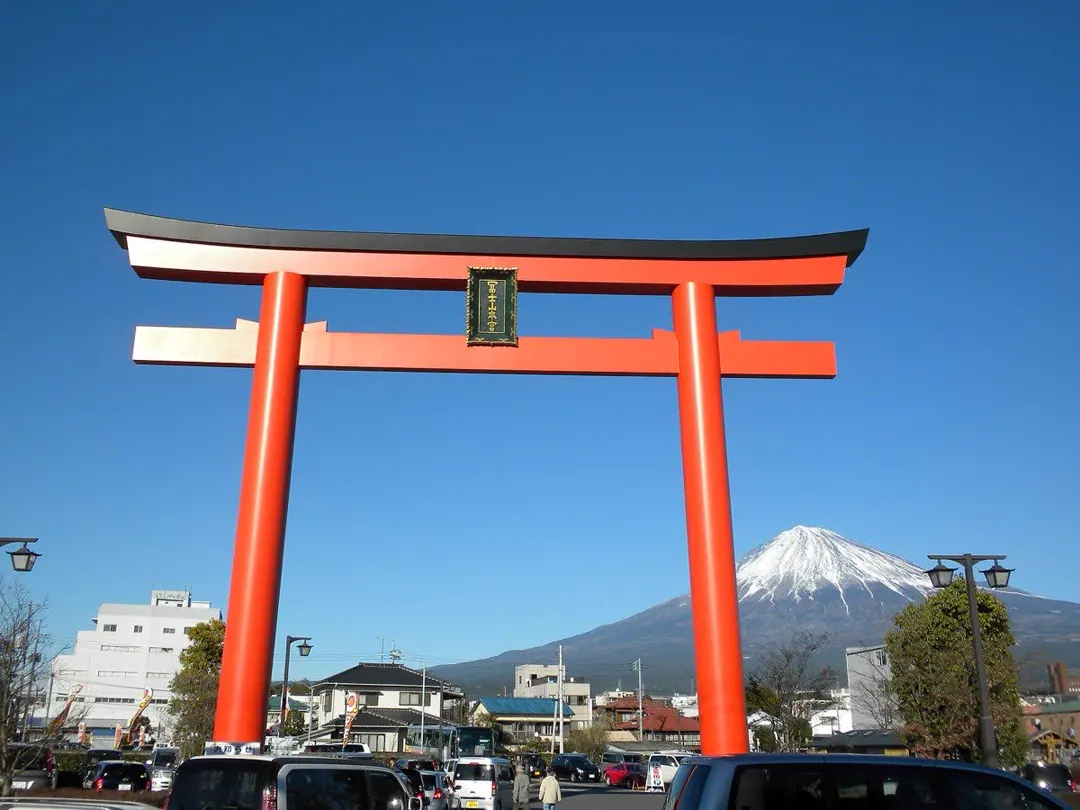 Shizuoka
Fujisan Hongu Sengen Taisha
Head shrine of all Sengen shrines, where Mount Fuji itself is worshipped.
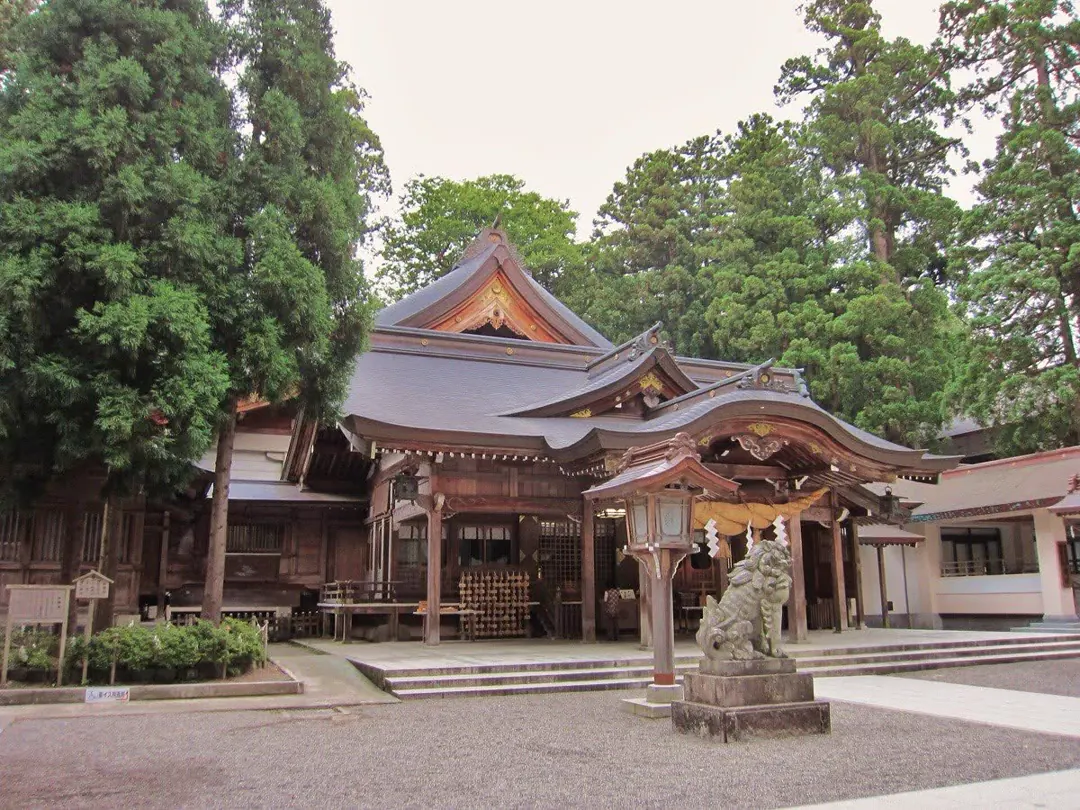 Ishikawa
Shirayamahime Shrine
Head shrine of sacred Mount Hakusan, enshrining Kukurihime, goddess of reconciliation.
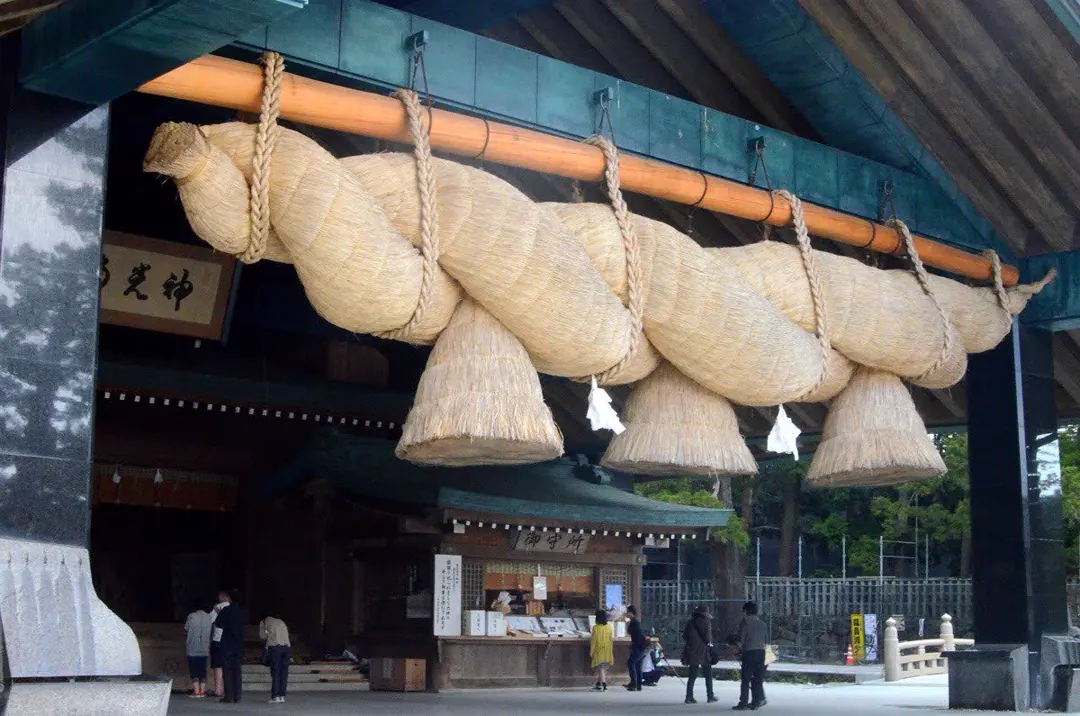 Shimane
Izumo Oyashiro (Izumo Grand Shrine)
The grand shrine of en-musubi, where the myriad gods of Japan gather.
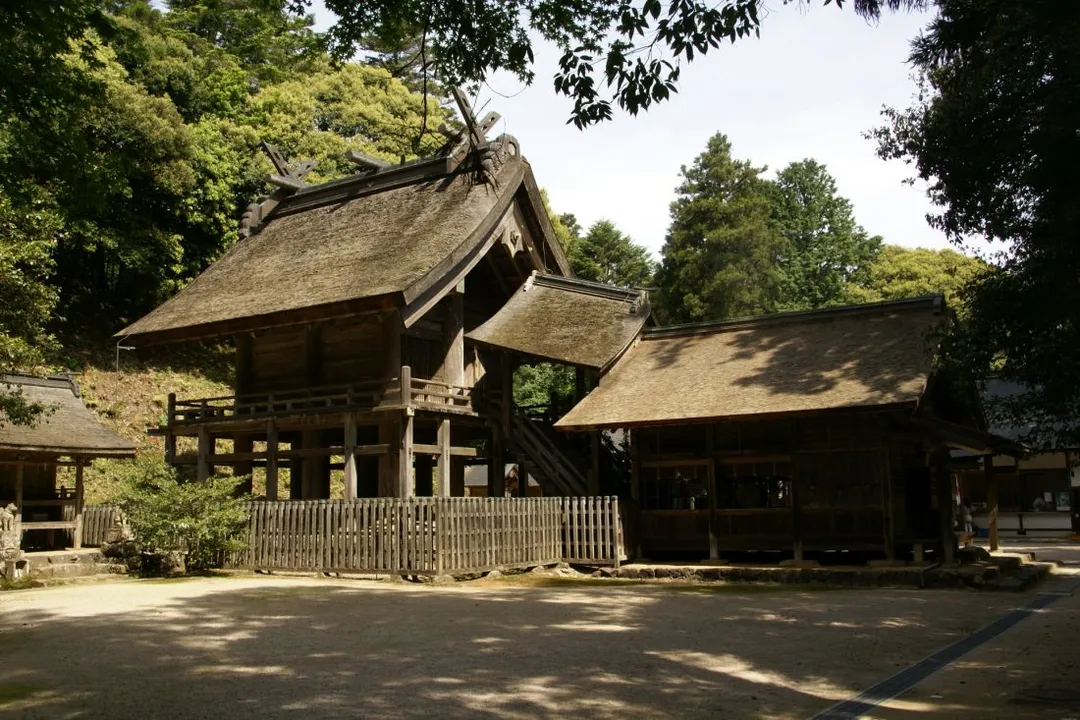 Shimane
Kamosu Shrine
The oldest surviving taisha-zukuri sanctuary, an ancient shrine of the Izumo priestly line.
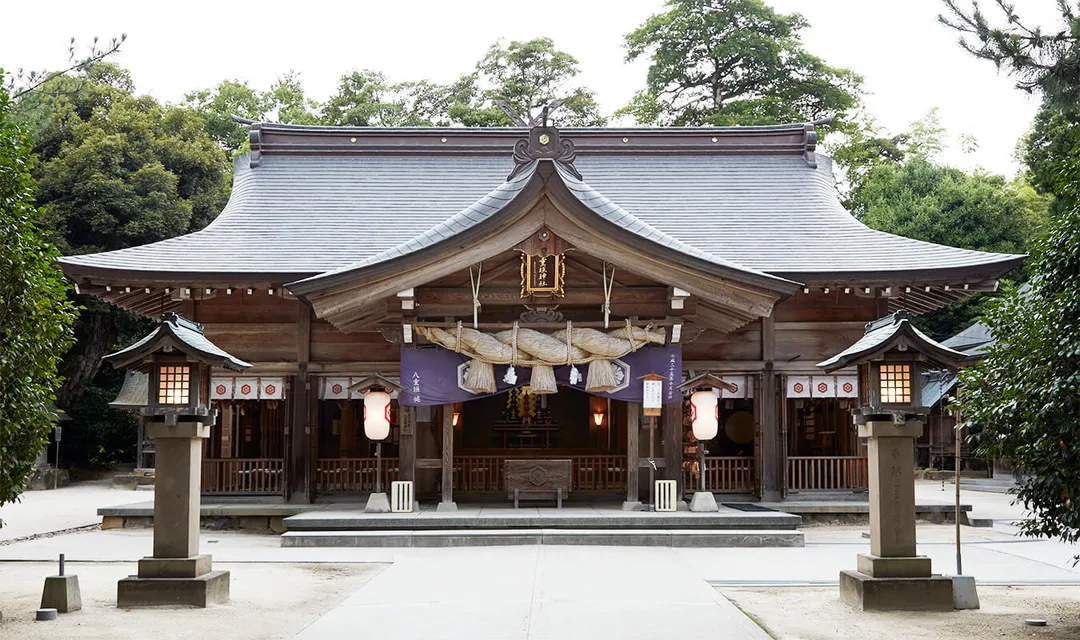 Shimane
Yaegaki Shrine
Divination at the Mirror Pond, shrine of Susanoo and Princess Inata.
About En-musubi: Bonds & Love
Shrines of the en-musubi lineage enshrine deities held to govern musubi — the binding of bonds — not only in romantic love between men and women, but between person and person, person and work, person and place. As places to entrust one's hopes to the unseen working of en (the bonds of connection), they have long been cherished by many.
Among the enshrined deities, this lineage most often venerates Ōkuninushi no Ōkami, who in the myths of the making of the land is said to have tied bonds with a great many deities, along with gods held to broker connections in the land of Izumo and wedded deities embodying harmonious union. True to his name, the Great Lord of the Land, Ōkuninushi is spoken of as a divinity who gathers up bonds of every kind, and from this connection the faith of en-musubi is said to have spread across the country. Some shrines venerate gods enshrined as husband and wife, such as Izanagi no Mikoto and Izanami no Mikoto, and the forms that en may take have been received according to the traditions of each shrine.
Because this lineage deals broadly with en, it is held to suit not only those who pray for love fulfilled, but also those seeking good encounters or a rekindled bond, harmony in human relations, and connections in work and trade. Not a few visit when they wish to nurture the bonds they already hold, to retie a relationship that has come undone, or to settle into a new town or workplace.
In worship, it is said that the heart settles more easily when, rather than only conveying one's wish, one first adds thanks for the bonds tied thus far. Good bonds are held to be tied not by one's own wish alone but through others and one's surroundings, and one would do well to bow with gratitude for the bonds close at hand. When a good bond bears fruit, it is fitting to return with thanks and to perform the rite of two bows, two claps, and one bow with care.
Even within the same en-musubi lineage, the deities and origins differ from shrine to shrine. Rather than choosing by rank, it is considered good to choose by one's own bond and affinity — a shrine whose deity's story moves the heart, a shrine near one's daily life that can be visited from time to time, or a shrine where one felt a bond on a journey. Keeping a shrine one can visit over the long years is said to become a support for nurturing one's bonds.