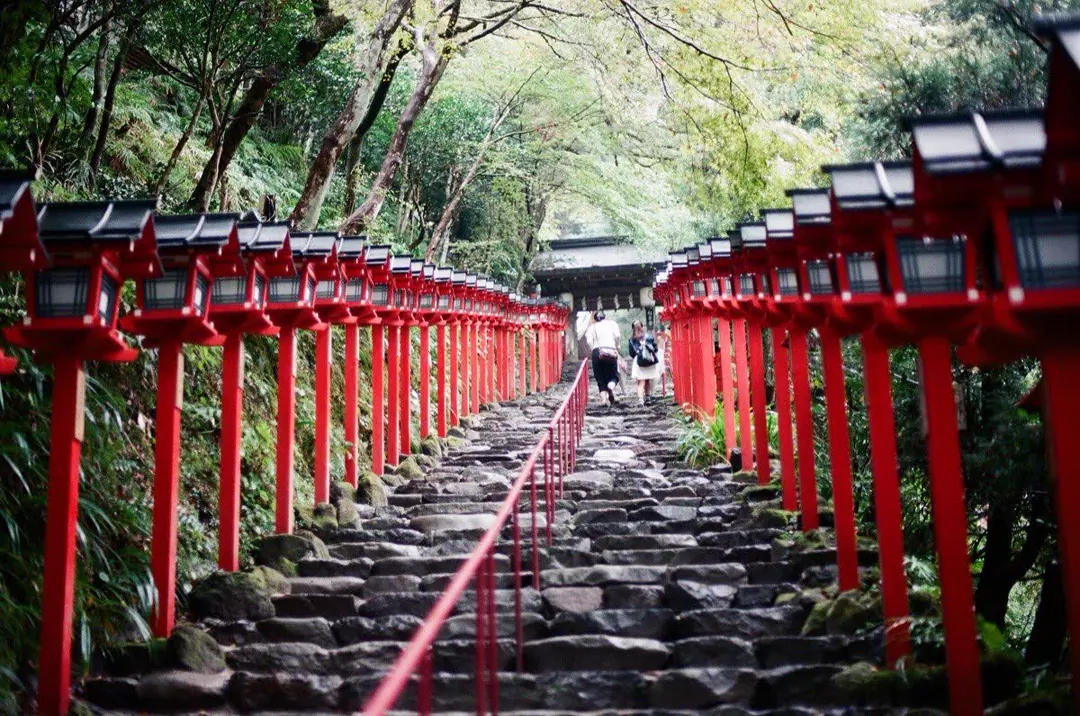
Kifune Shrine
Head shrine of the water deity, on the banks of the Kifune River.
History and Divine Virtue
Set along the Kifune River at the headwaters of Kyoto's Kamo River, this is the head shrine of some two thousand Kifune shrines across Japan, enshrining Takaokami no Kami, the deity who governs water. From ancient times the imperial court revered it as a shrine for prayers to bring or halt rain: a black horse was offered in times of drought, a white horse in times of endless rain, and the later custom of dedicating wooden boards painted with horses in their place is said to be one origin of the ema, the votive plaque. The shrine has long been worshipped as the guardian of every livelihood that depends on the blessing of water. Its precincts comprise three sanctuaries — the main shrine (Hongu), the middle shrine Yui-no-Yashiro (Nakamiya), and the inner shrine (Okumiya). Beneath the inner shrine's main hall lies the Funagata-ishi, a boat-shaped rock where the goddess Tamayorihime no Mikoto is said to have come to rest after ascending the river in a yellow boat. The middle sanctuary, Yui-no-Yashiro, enshrines Iwanagahime no Mikoto and has been famed since the Heian period as a shrine of en-musubi, the tying of destined bonds; the poet Izumi Shikibu is said to have prayed here for the restoration of her marriage, and her wish was granted. The stone stairway lined with rows of Kasuga lanterns is among Kyoto's most celebrated approaches, deeply atmospheric in every season, from fresh green maples to snowfall. The shrine is also beloved for its mizura-mikuji — fortune slips whose words appear only when floated on the sacred water.
Visiting Notes
- The time-honored way to visit is the sansha-mode, calling at the three sanctuaries in order: Hongu, then Okumiya, then Yui-no-Yashiro.
- The mizura-mikuji, a fortune slip whose message emerges when floated on the sacred water, is unique to Kifune.
- Yui-no-Yashiro holds a stone inscribed with a poem by Izumi Shikibu. For matchmaking wishes, write your hope on a musubi-bumi paper and tie it at the shrine.
The foremost of shrines governing water. Those whose birth chart carries the stems of mizunoe or mizunoto — the element of water — are said to share a deep affinity with this shrine when they wish to restore their flow, and MUSUHI TECHO names it first among shrines for realigning the water element.
Deities and Location
- Enshrined Deities
- Takaokami no Kami
- Location
- 京都府京都市左京区鞍馬貴船町 (Kyoto)
- Access
- From Kibuneguchi Station on the Eizan Railway, by bus or on foot
Visiting hours, goshuin (shrine stamps), and festival dates change; please confirm the latest information through each shrine's official announcements. If you find an error in this entry, we would be grateful if you let us know.
Visit Records
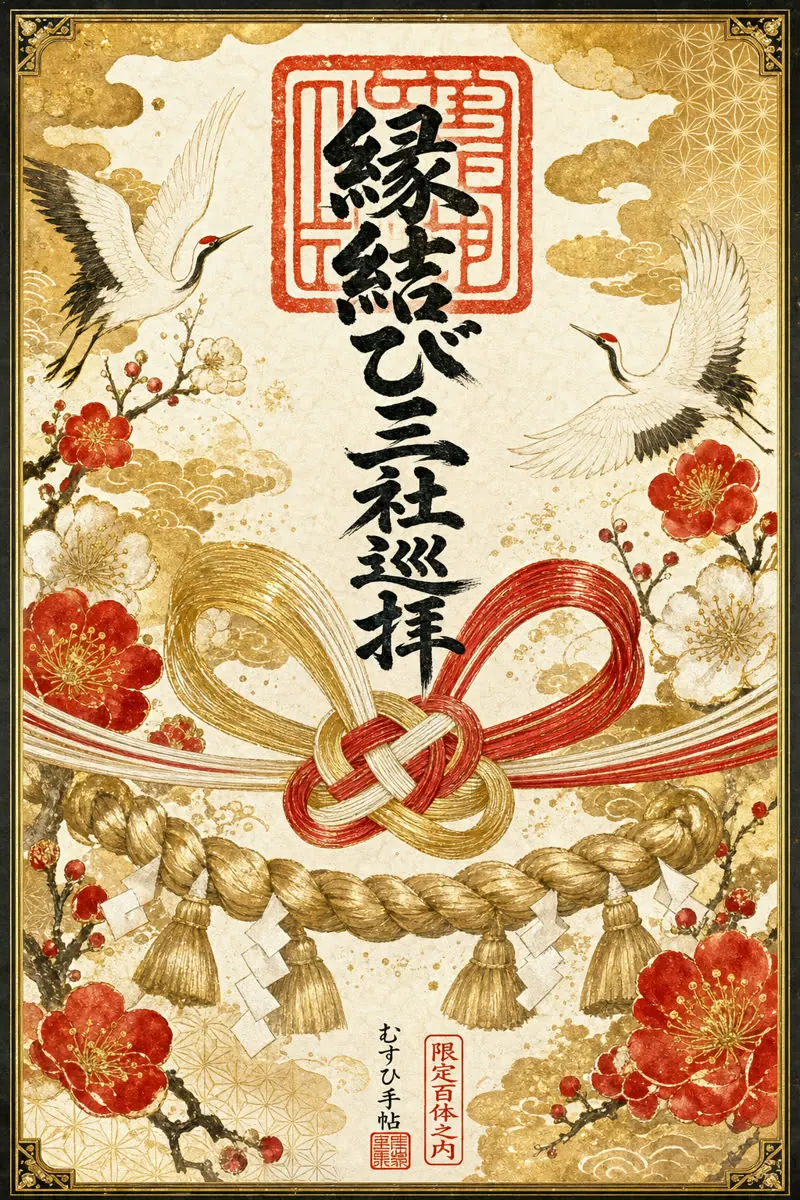 This shrine is part of the “En-musubi Sansha — The Three Shrines of Bonds” pilgrimageRecord a visit to all three shrines to receive a digital goshuin NFT, limited to 100.About the pilgrimage goshuin →
Records earn points shared across our sister sites (1 pt ≈ 1 yen in value; points cannot be redeemed for cash or transferred). A fingerprint of the records is inscribed on the blockchain every day, so they cannot be rewritten afterwards.
Shrines to Visit Together
related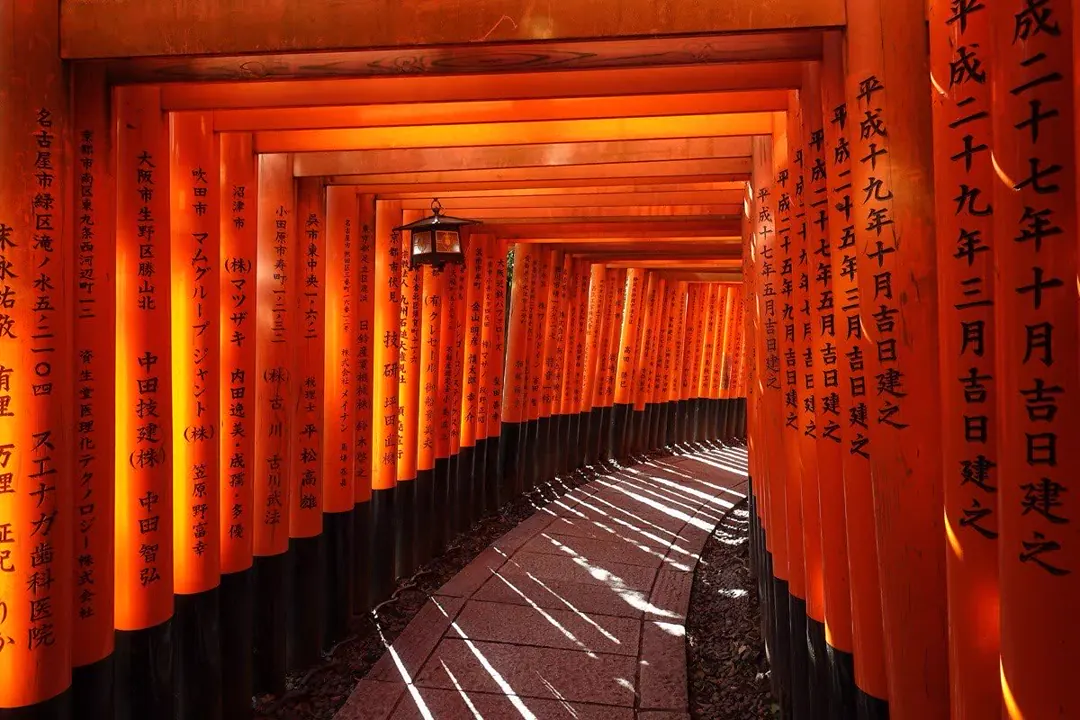 Kyoto
KyotoFushimi Inari Taisha
The vermilion Senbon Torii — head shrine of all Inari shrines in Japan.
 Kyoto
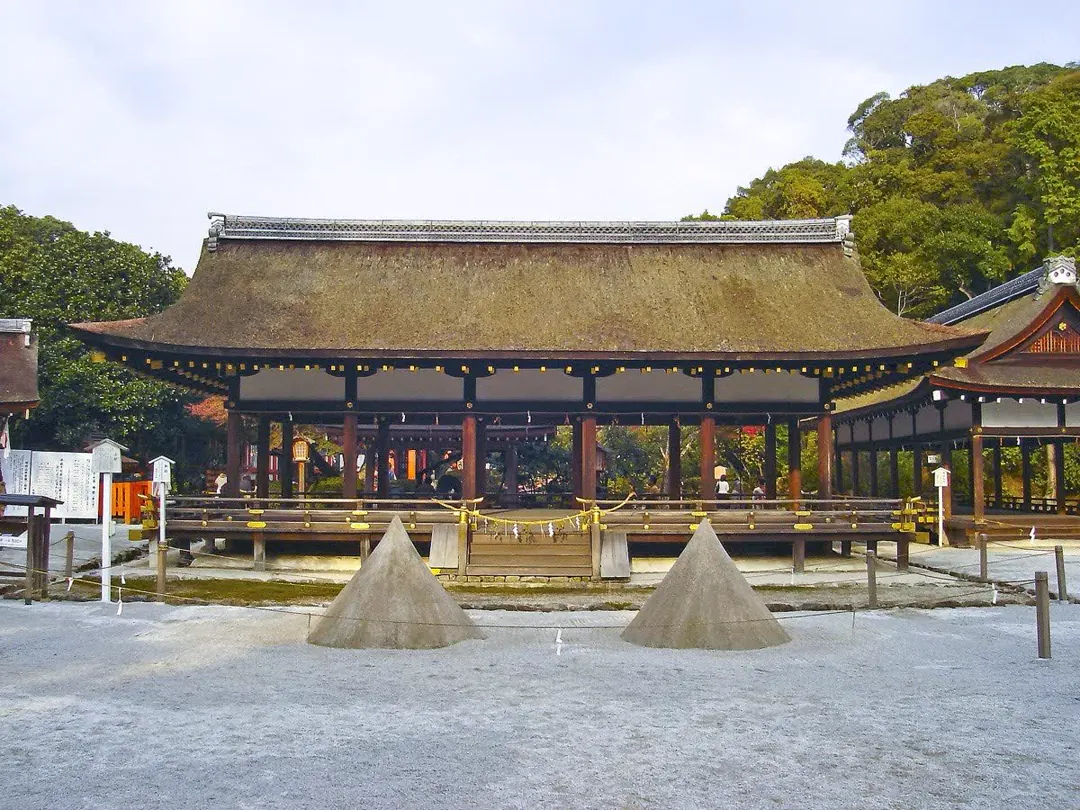
KyotoKamigamo Shrine (Kamo Wake-ikazuchi Jinja)
Ichinomiya of Yamashiro Province, warding off misfortune with the divine power of thunder.
 Kyoto
KyotoShimogamo Shrine (Kamo Mioya Jinja)
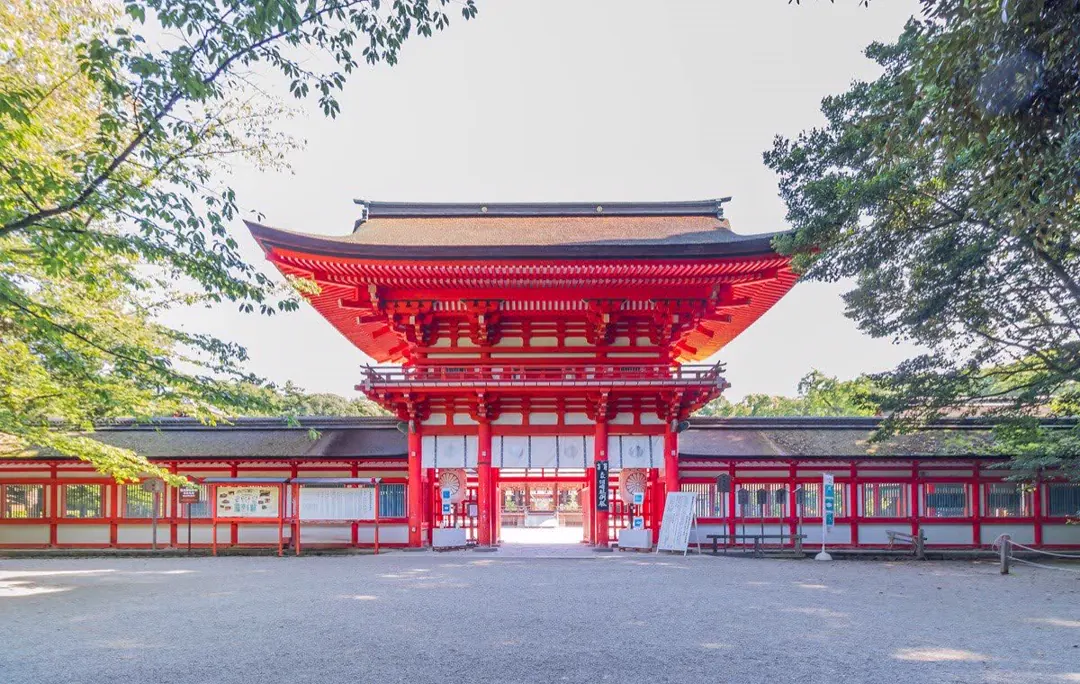
An ancient shrine of matchmaking, deep in the Tadasu-no-Mori forest.