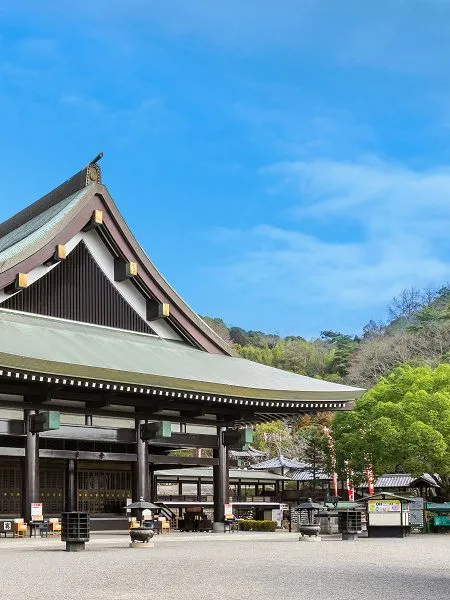
Saijo Inari (Saijo Inarisan Myokyo-ji Temple)
A Nichiren temple of the Inari faith, preserving the old union of kami and buddhas.
History and Divine Virtue
Set in the Takamatsu district of Okayama City, Saijo Inari is a temple of the Nichiren school counted, together with Fushimi and Toyokawa, among the Three Great Inari of Japan. Tradition holds that it began in 752 when the priest Hoon Daishi prayed for the recovery of Empress Koken from illness and received a divine response. Its principal image, Saijoi Kyoo Daibosatsu, is depicted as the Inari deity riding a white fox. When Shinto and Buddhism were formally separated in the Meiji era, this temple was granted an exception, so a torii gate still stands on its approach and its main hall is called the Reikoden — a living record of the older, blended form of Inari worship. Known for prayers for prosperity in business and safety at home, it draws one of the largest New Year crowds in the Chugoku region. Its great torii, over 27 meters high, rises as a landmark above the rice fields of Bitchu-Takamatsu.
Visiting Notes
- Though a Buddhist temple, a torii stands on the approach and the main hall is called the Reikoden — the blended form of kami and buddha worship remains.
- At the rear of the grounds, the former main hall (Reioden) and 77 small auxiliary shrines form a quiet area for reflection on one's wishes.
- The Auxiliary Shrines of Bonds offer prayers both to sever ill ties and to form good ones.
- The great torii in the fields stands about 27.5 meters high. Long-established souvenir shops line the temple town approach.
Inari faith presides over grain and wealth. Musuhi Techo introduces this temple alongside shrines as a place to steady the flow of one's trade, or to release an unwanted tie and welcome a better one.
Deities and Location
- Enshrined Deities
- Saijōi Kyōō Daibosatsu
- Location
- 岡山県岡山市北区高松稲荷 (Okayama)
- Access
- About 30 minutes on foot or a short taxi ride from Bitchu-Takamatsu Station on the JR Kibi Line; by car from Okayama IC.
Visiting hours, goshuin (shrine stamps), and festival dates change; please confirm the latest information through each shrine's official announcements. If you find an error in this entry, we would be grateful if you let us know.
Visit Records
Records earn points shared across our sister sites (1 pt ≈ 1 yen in value; points cannot be redeemed for cash or transferred). A fingerprint of the records is inscribed on the blockchain every day, so they cannot be rewritten afterwards.
Shrines to Visit Together
related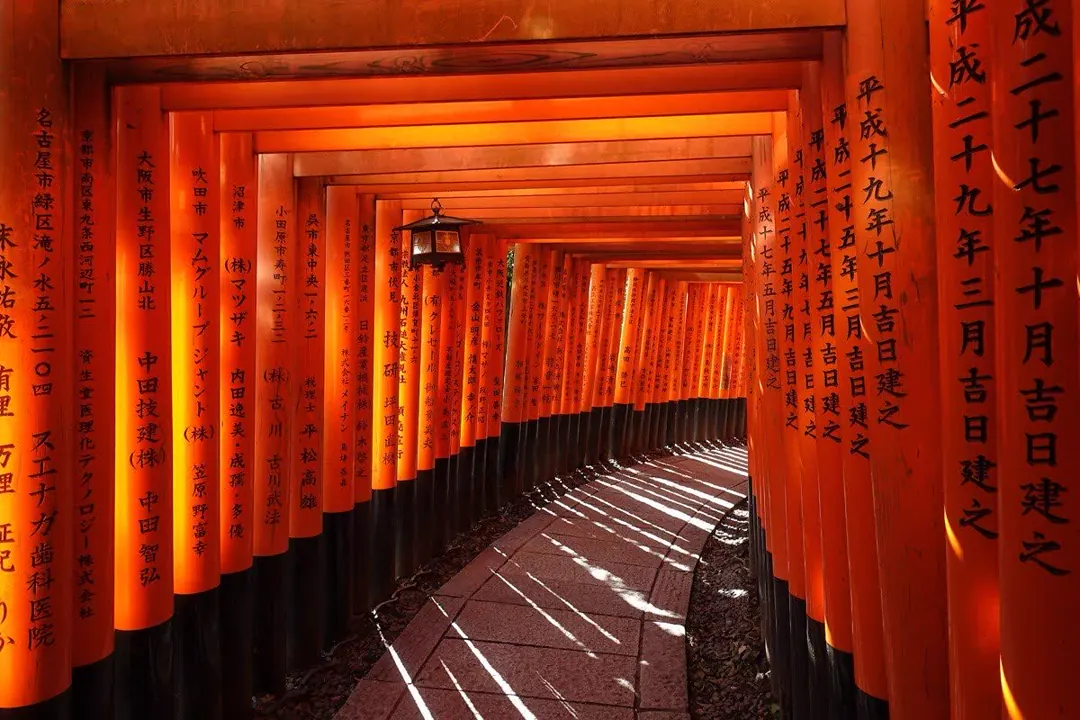 Kyoto
Fushimi Inari Taisha
The vermilion Senbon Torii — head shrine of all Inari shrines in Japan.
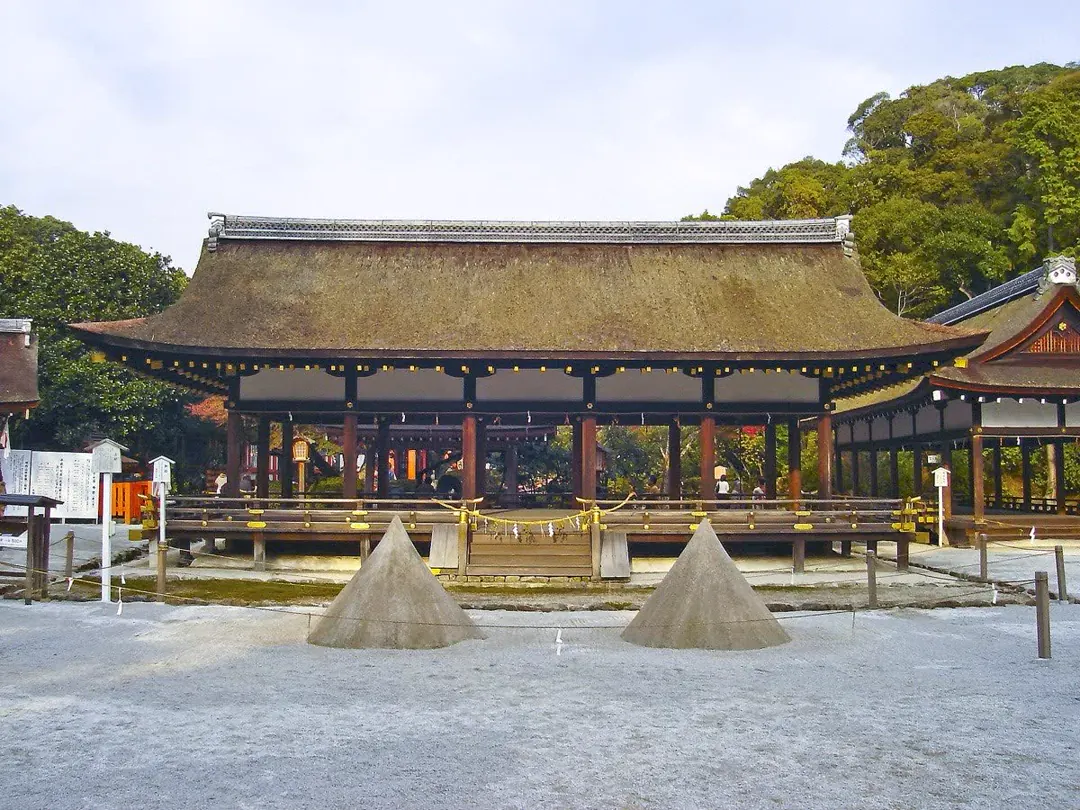 Kyoto
Kamigamo Shrine (Kamo Wake-ikazuchi Jinja)
Ichinomiya of Yamashiro Province, warding off misfortune with the divine power of thunder.
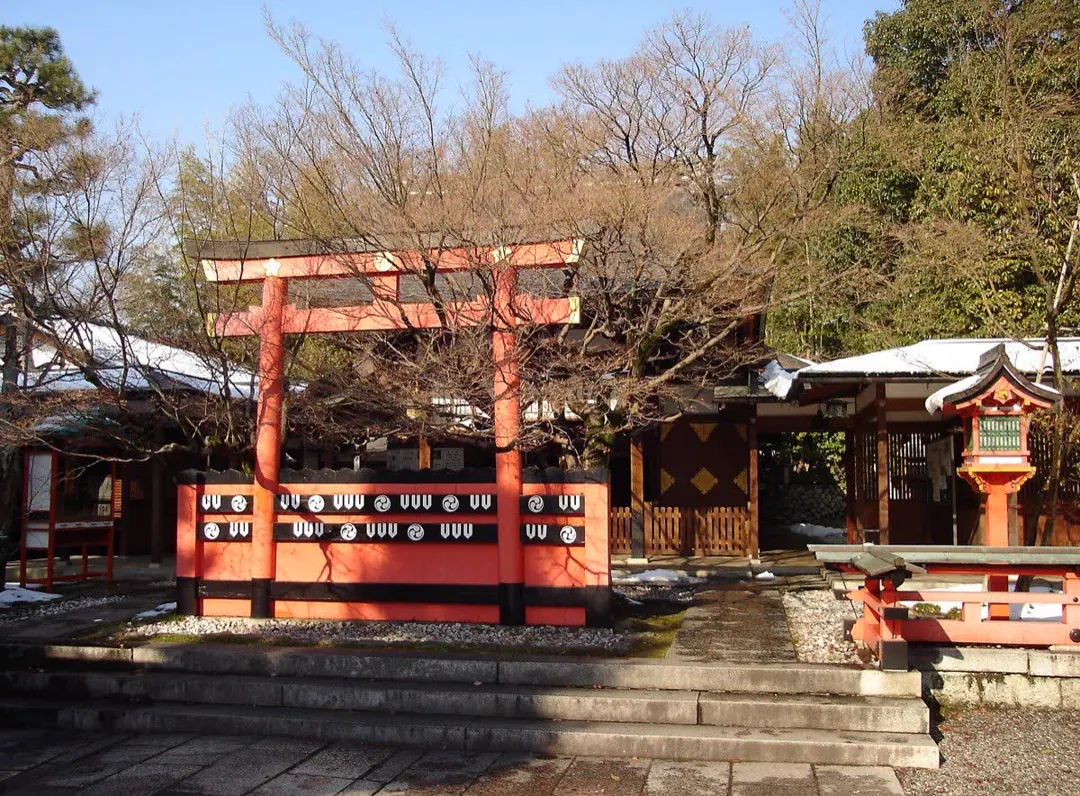 Kyoto
Kurumazaki Shrine
A deity who keeps promises — and the vermilion fence of the performing arts.