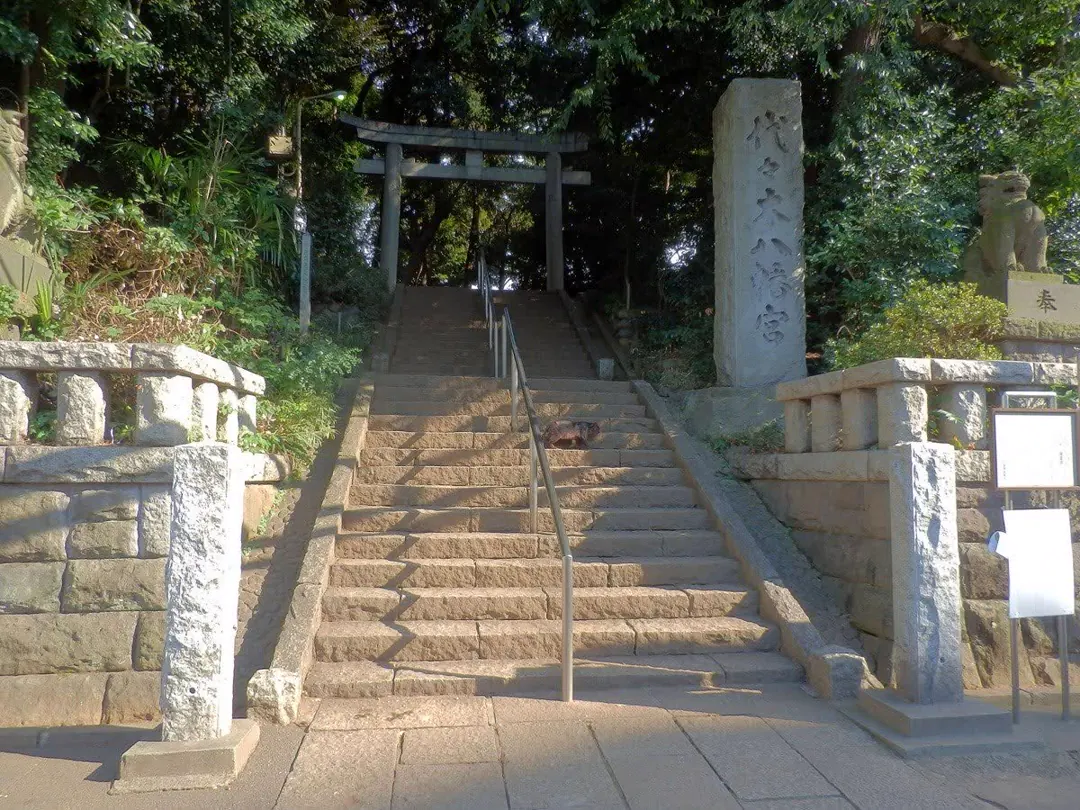
Yoyogi Hachimangu
The Hachiman shrine of the Yoyogi woods, home to a famed Inari of career success.
History and Divine Virtue
Tradition dates the shrine to 1212, when Arai Geki Tomoaki — a retainer of Kondo Saburo Korechika, who had served Minamoto no Yoriie, the second Kamakura shogun — established a Hachiman shrine here to pray for his late lord's repose. The enshrined deity is Emperor Ojin, the Hachiman deity. Wrapped in a guardian forest so deep it is hard to believe one is in central Tokyo, the grounds have yielded the remains of Jomon-period dwellings (the Yoyogi Hachiman site), evidence that people have lived on this land since ancient times. The auxiliary Shusse Inari Shrine, moved here in the early Showa era from a nearby Inari shrine, became widely known as an Inari of career fortune and advancement. Visitors praying for success in business or a push at a turning point — entertainers among them — often pay their respects at both the Hachiman sanctuary, revered for warding off misfortune, and the Shusse Inari. It is a hidden guardian shrine of the city, keeping the stillness of its woods within Shibuya.
Visiting Notes
- After worshipping at the main sanctuary, visit Shusse Inari Shrine on the left of the grounds — this is where to pray for career fortune.
- A reconstructed Jomon-period pit dwelling stands on the grounds, and artifacts excavated from the site have been preserved.
- The approach climbing to the sanctuary on its small hill is deep with greenery — a morning visit is especially pleasant.
Deities and Location
- Enshrined Deities
- Emperor Ōjin
- Location
- 東京都渋谷区代々木 (Tokyo)
- Access
- About 5 minutes on foot from Yoyogi-Hachiman Station (Odakyu Line) or Yoyogi-koen Station (Tokyo Metro Chiyoda Line)
- Lineage
- Career & Victory
Visiting hours, goshuin (shrine stamps), and festival dates change; please confirm the latest information through each shrine's official announcements. If you find an error in this entry, we would be grateful if you let us know.
Visit Records
Records earn points shared across our sister sites (1 pt ≈ 1 yen in value; points cannot be redeemed for cash or transferred). A fingerprint of the records is inscribed on the blockchain every day, so they cannot be rewritten afterwards.
Shrines to Visit Together
related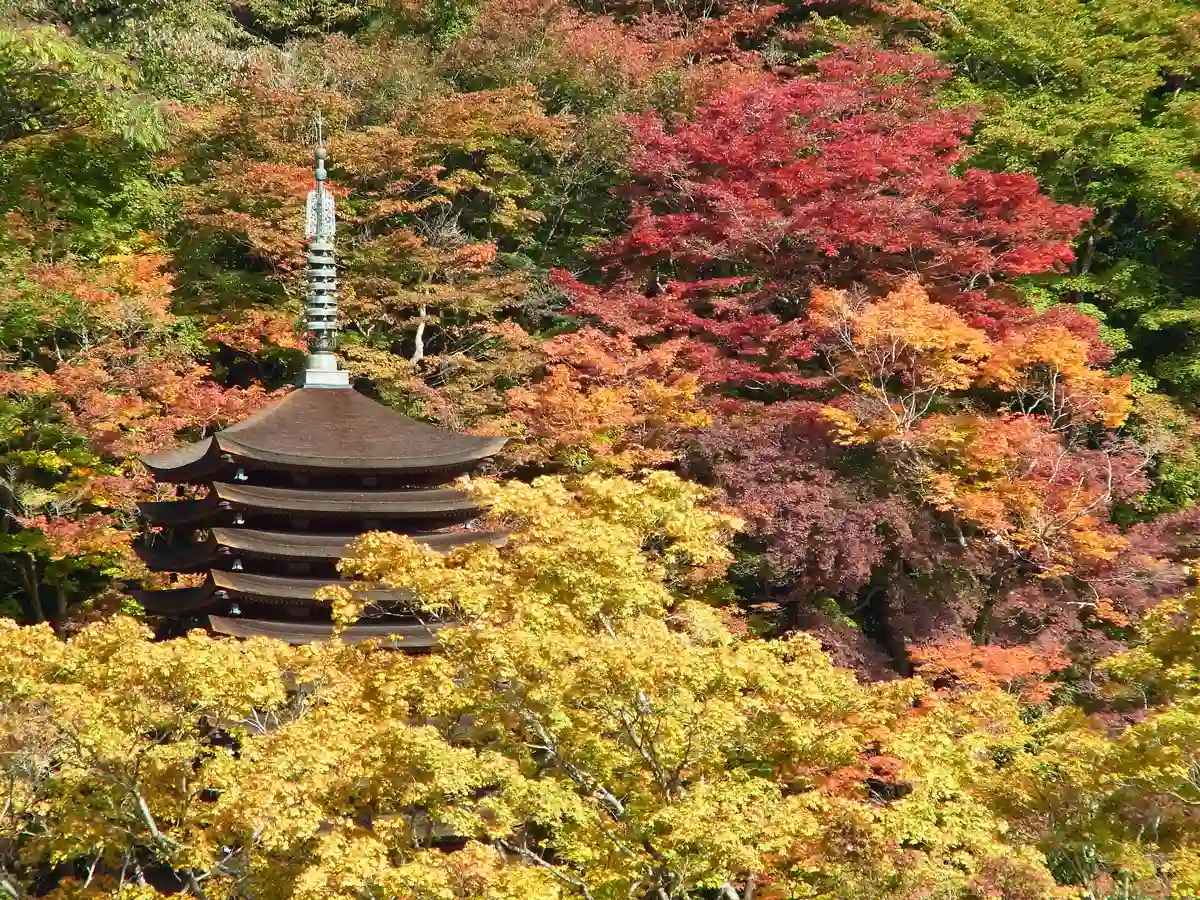 Nara
NaraTanzan Shrine
Site of the secret council that reshaped Japan, with the only wooden thirteen-story pagoda.
 Nara
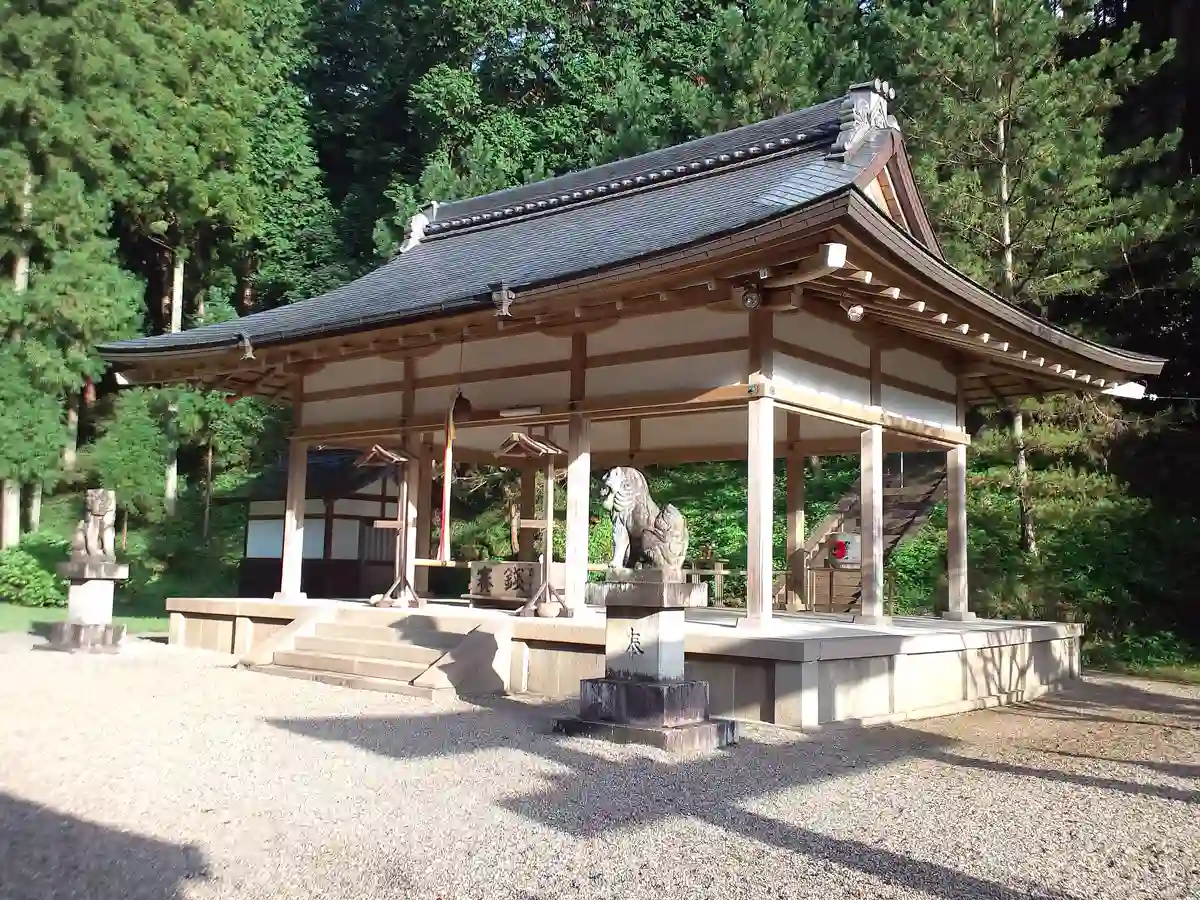
NaraYatagarasu Shrine
Shrine of Yatagarasu, the crow that guided Emperor Jimmu, a shrine of opening the way.
 Tokyo
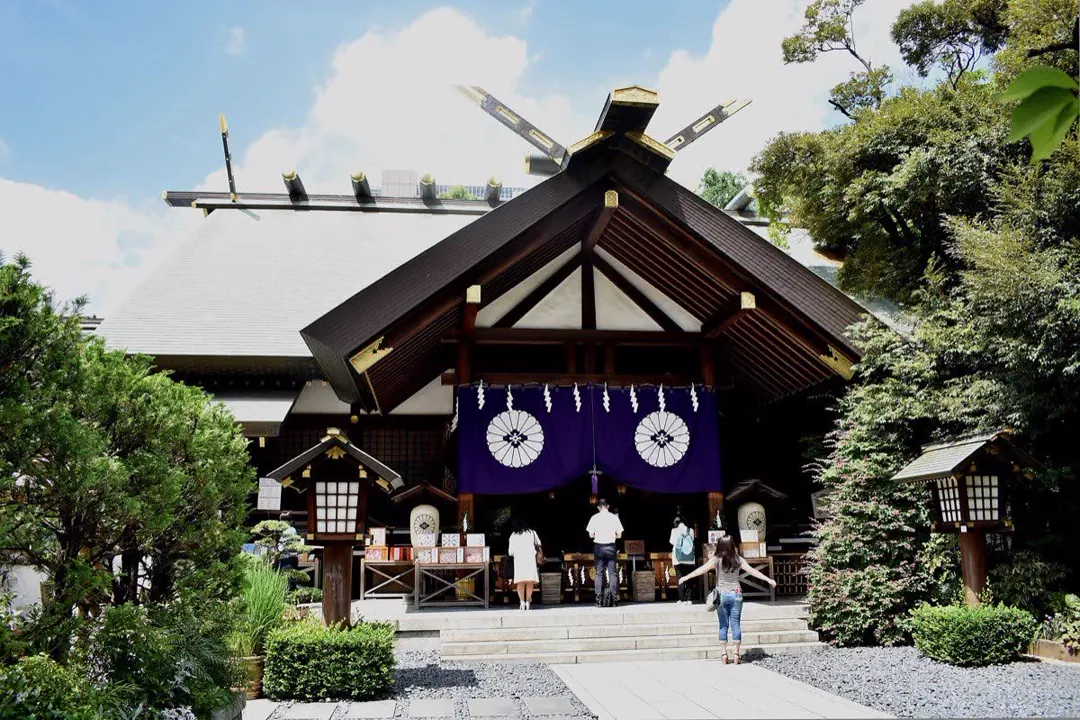
TokyoTokyo Daijingu
Known as "Tokyo's Ise," a shrine devoted to musubi — the tying of bonds.