The Parting of Heaven and Earth and the Three Deities of Creation — The Three Pillars of the Beginning
At the beginning, when heaven and earth parted, three deities appeared in Takamanohara: Ame-no-Minakanushi no Kami, Takamimusuhi no Kami, and Kamimusuhi no Kami. The story of the Three Deities of Creation — hitorigami (single deities) who showed no form and straightway hid themselves, yet are revered as the wellspring from which all things are born.
Long ago, before heaven and earth had parted, the world was a chaos without form or name. When at last heaven and earth divided, the first deity came into being in Takamanohara, the Plain of High Heaven. This was Ame-no-Minakanushi no Kami — the Lord of the Very Center of Heaven. After him came Takamimusuhi no Kami and Kamimusuhi no Kami. These three, recorded at the very opening of the Kojiki, are called the Zōka no Sanshin, the Three Deities of Creation.
The Kojiki tells that all three came into being as hitorigami — single deities, forming no married pair — and straightway hid themselves away. They have no spouse, no gender, and their forms are never described. Gods who leave the stage the very moment the story opens — yet this does not mean they were gone. Because they were the very working at the root of the world, existing before heaven, earth, and all things were born, it is understood that they had no need of any visible form.
The word musuhi in the names of Takamimusuhi and Kamimusuhi, also written with characters meaning "generative spirit," expresses the working of generation itself — that which brings life into being, nurtures it, and brings it to fruition. Grass grows (musu), moss grows; musuko (son) and musume (daughter) — the "musu" that runs beneath the Japanese language is said to share its root with this word. Prayers that bind (musubu) person to person, and prayers for the birth of new life, all trace back to the musuhi working of these two deities. The name of Musuhi Techō itself derives from this working.
In those days the land below was still young; it drifted, unformed, like oil floating upon water, like a jellyfish. From within it, sprouting up like a reed shoot (ashikabi), came Umashiashikabihikoji no Kami, and after him Ame-no-Tokotachi no Kami. These two likewise came into being as single deities and hid themselves. Together with the Three Deities of Creation, these five are called the Kotoamatsukami, the Separate Heavenly Deities — gods of especial nobility, set apart from all others.
After the Separate Heavenly Deities followed the gods of the Kamiyonanayo, the Seven Generations of the Age of the Gods: Kuni-no-Tokotachi no Kami, Toyokumono no Kami, and then five pairs of male and female deities. The last of these to come into being were the two gods Izanagi no Mikoto and Izanami no Mikoto. The generative working that began with the Three Deities of Creation was handed to this wedded pair as a charge — "complete and solidify this drifting land" — and so the story passes on to the kuniumi, the birth of the land.
The main text of the Nihon Shoki, for its part, tells of the world's opening as a division of yin and yang, and names Kuni-no-Tokotachi no Mikoto as the first deity to appear; the names of the Three Deities of Creation are found only in its variant accounts. Yet in the telling of the Kojiki, the three who hid themselves never vanish from the story. Takamimusuhi no Kami, under the name Takagi no Kami, guides the ceding of the land, the heavenly descent, and Emperor Jinmu's eastern expedition, while Kamimusuhi no Kami saves the life of Ōkuninushi no Kami. The three pillars of the beginning go on working behind the scenes of every story yet to come.
Samuhara Ōkami, the deity of Samuhara Jinja, is said to be a collective name for the Three Deities of Creation. Tokyo Daijingū is known as one of the few shrines that enshrine the Three Deities of Creation together with Amaterasu Sume Ōkami. Chichibu Jinja enshrines Yagokoro Omoikane no Mikoto, said to be a child of Takamimusuhi no Kami, and through the Myōken faith has deep ties to Ame-no-Minakanushi no Kami as well.
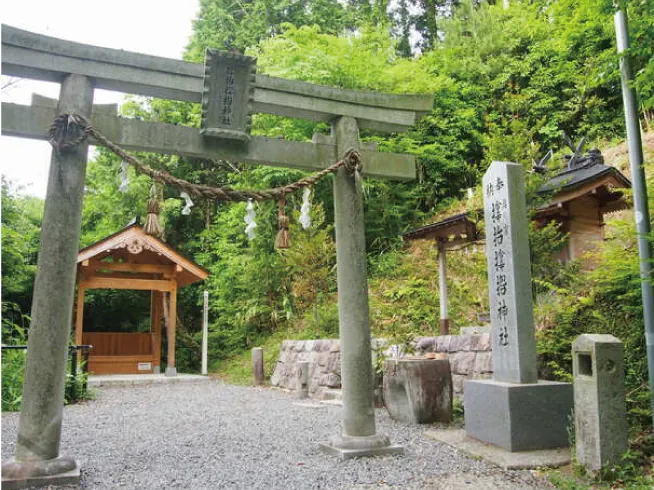 Okayama
Samuhara Shrine (Oku no Miya, the Inner Shrine)
An inner sanctuary of the three gods of creation, guarded by protective sacred characters.
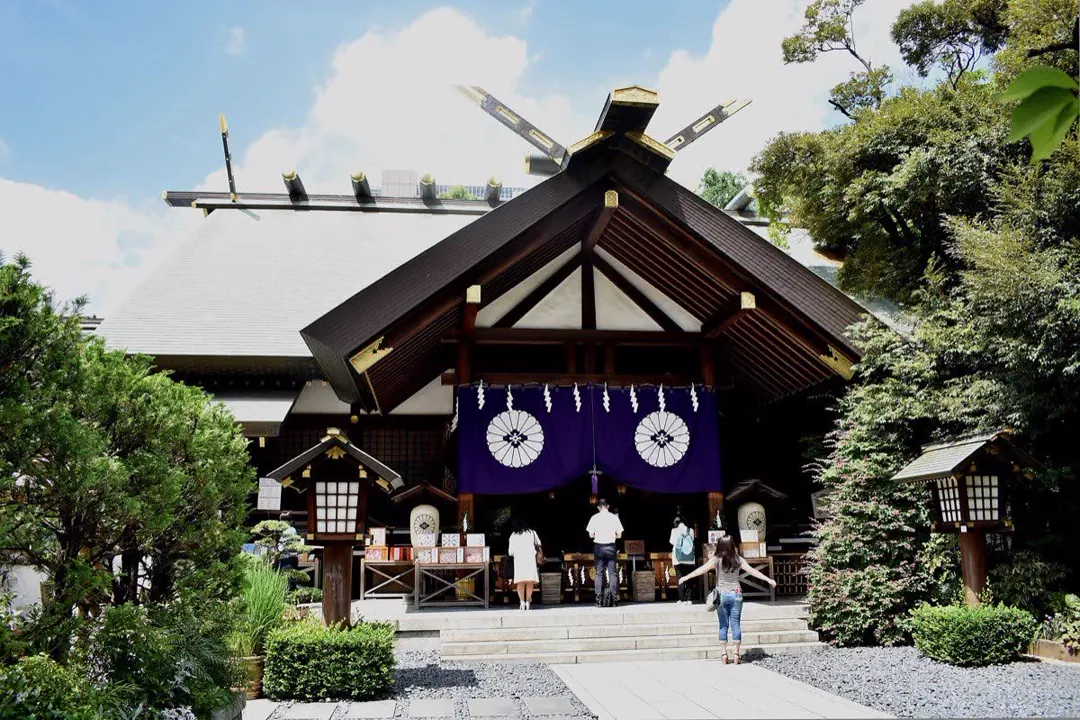 Tokyo
TokyoTokyo Daijingu
Known as "Tokyo's Ise," a shrine devoted to musubi — the tying of bonds.
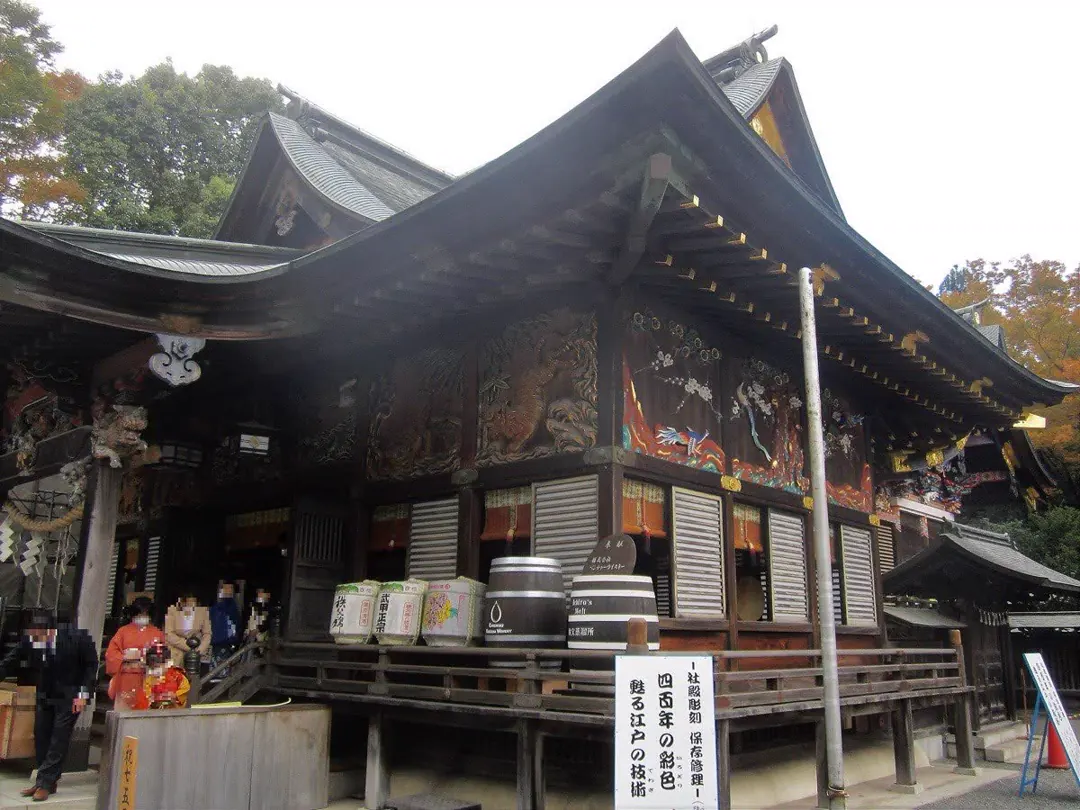 Saitama
Chichibu Shrine
Guardian shrine of the old Chichibu domain, enshrining the deity of wisdom — home of the Chichibu Night Festival.