Ise Jingu
From the Outer Shrine to the Inner — two thousand years of prayer.
History and Divine Virtue
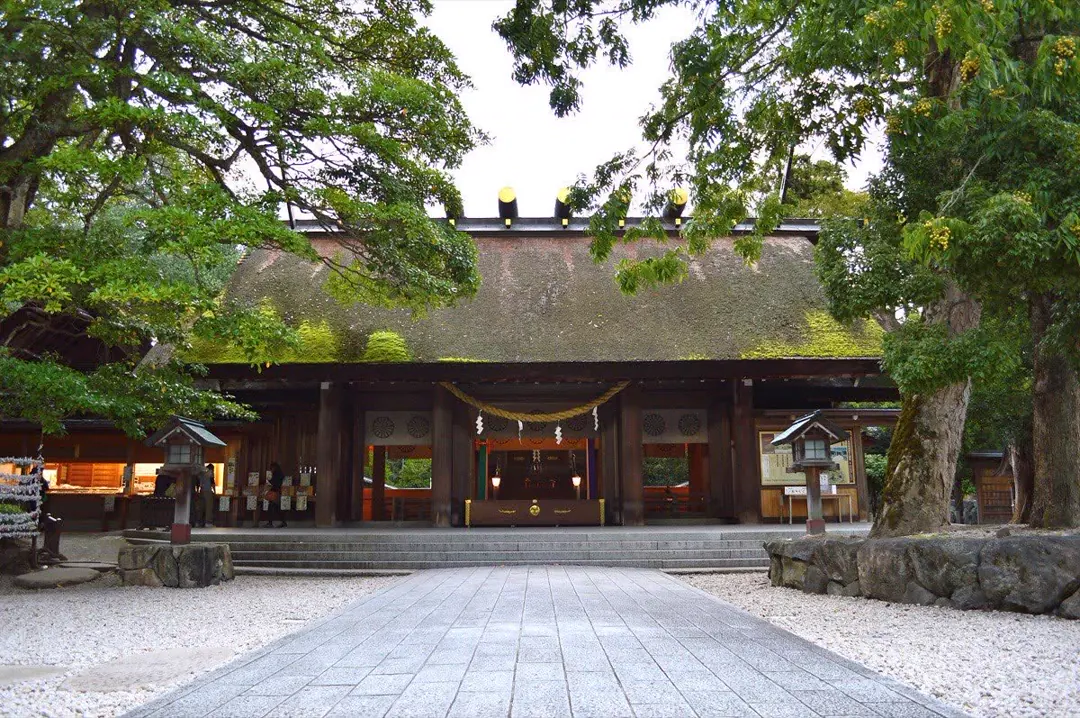
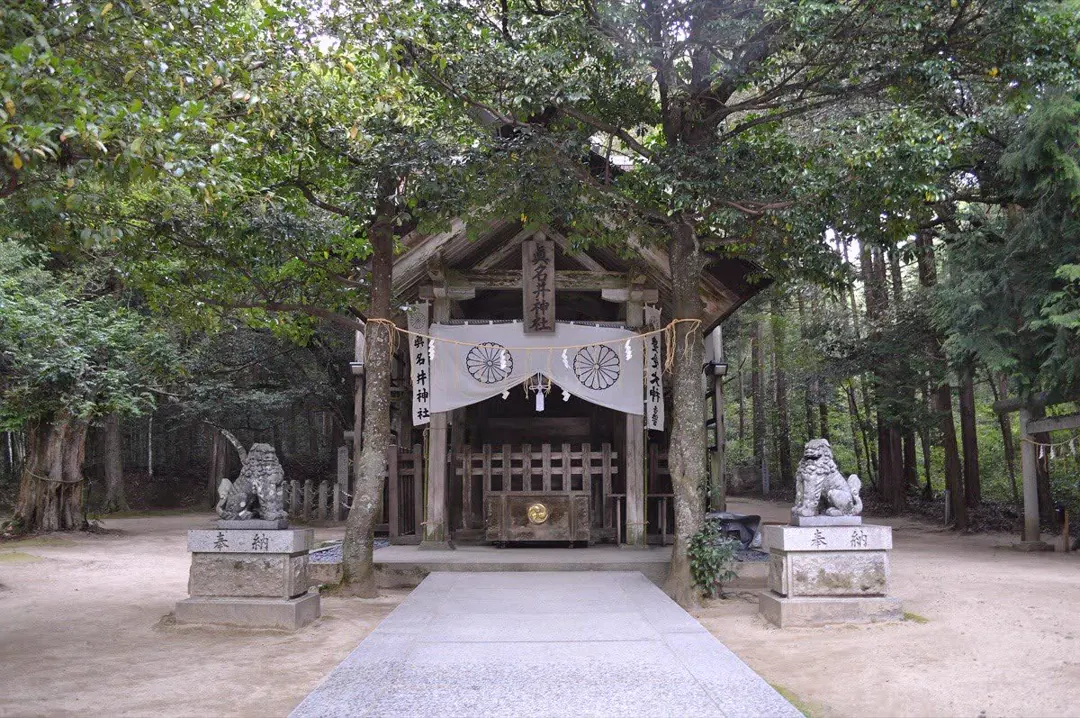
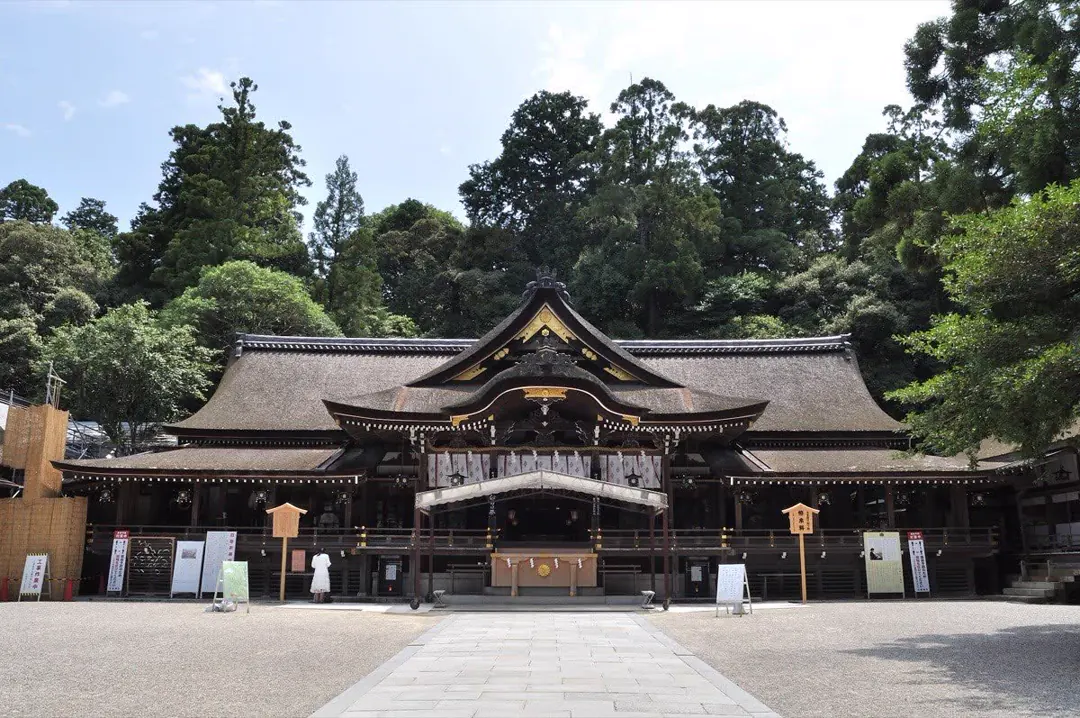
Formally named simply "Jingu," it comprises 125 sanctuaries centered on the Kotai Jingu (Naiku, the Inner Shrine), enshrining Amaterasu Omikami, and the Toyouke Daijingu (Geku, the Outer Shrine), enshrining Toyouke no Omikami, who governs the blessings of food, clothing, and shelter. As the shrine of the imperial ancestress and something of a tutelary shrine for all of Japan, it has long been affectionately known as "O-Ise-san," and in the Edo period the okage-mairi pilgrimage swept through the common people as a great popular movement. Rites follow the custom of geku-sensai — the Outer Shrine first — and worshippers likewise traditionally visit the Outer Shrine before the Inner. Once every twenty years, in the Shikinen Sengu, the sanctuaries and sacred vestments and treasures are made anew and the great deity is escorted to the new hall; this rite has continued for more than 1,300 years, carrying into the present the spirit of tokowaka — remaining forever fresh and young. The forest enfolding the sacred precincts guards the flow of the Isuzu River, and cedars centuries old line the approach.
Visiting Notes
- The time-honored order of worship is Outer Shrine first, then Inner. Allow unhurried time for both.
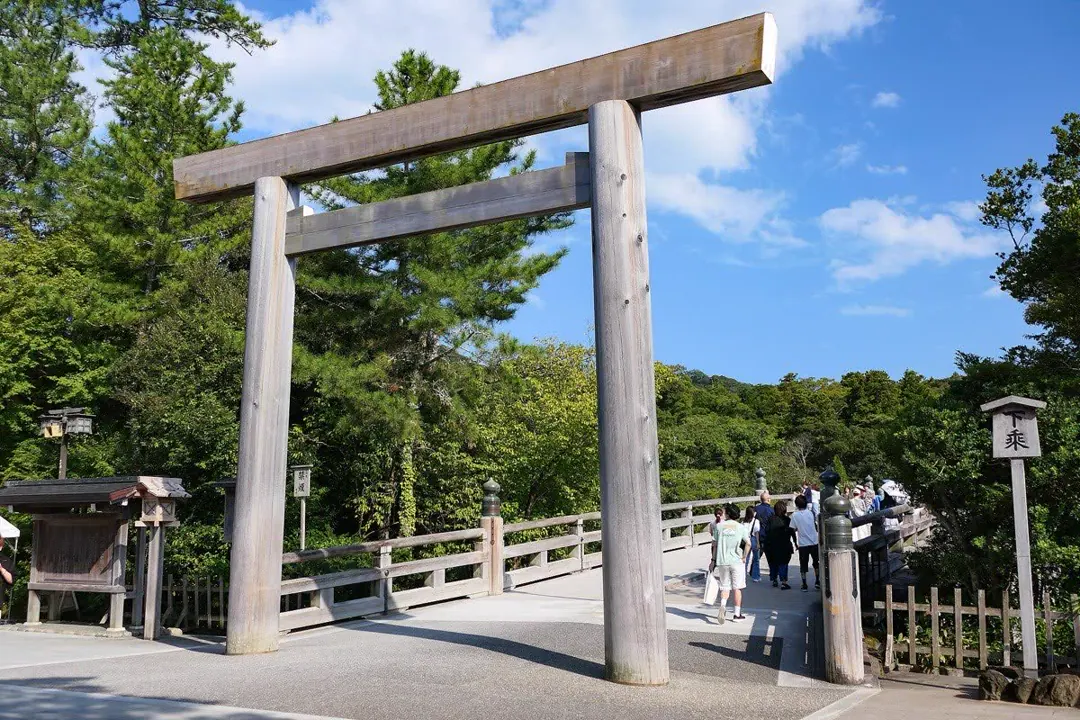
- At the Inner Shrine, cross the Uji Bridge and purify body and mind at the Isuzu River's mitarashi before approaching the main sanctuary.
- Early morning visits offer clear air and quiet approaches. Save Oharai-machi and Okage Yokocho for after your worship.
- At the Sengukan museum before the Outer Shrine, you can learn about the Shikinen Sengu and the rites of Jingu.
Deities and Location
- Enshrined Deities
- Amaterasu Ōmikami (Naiku, the Inner Shrine), Toyouke no Ōmikami (Geku, the Outer Shrine)
- Location
- 三重県伊勢市 (Mie)
- Access
- The Outer Shrine is about a 5-minute walk from Iseshi Station (JR and Kintetsu); the Inner Shrine is reached by bus from the station
- Lineage
- Moto-Ise & Mythology
Visiting hours, goshuin (shrine stamps), and festival dates change; please confirm the latest information through each shrine's official announcements. If you find an error in this entry, we would be grateful if you let us know.
Visit Records
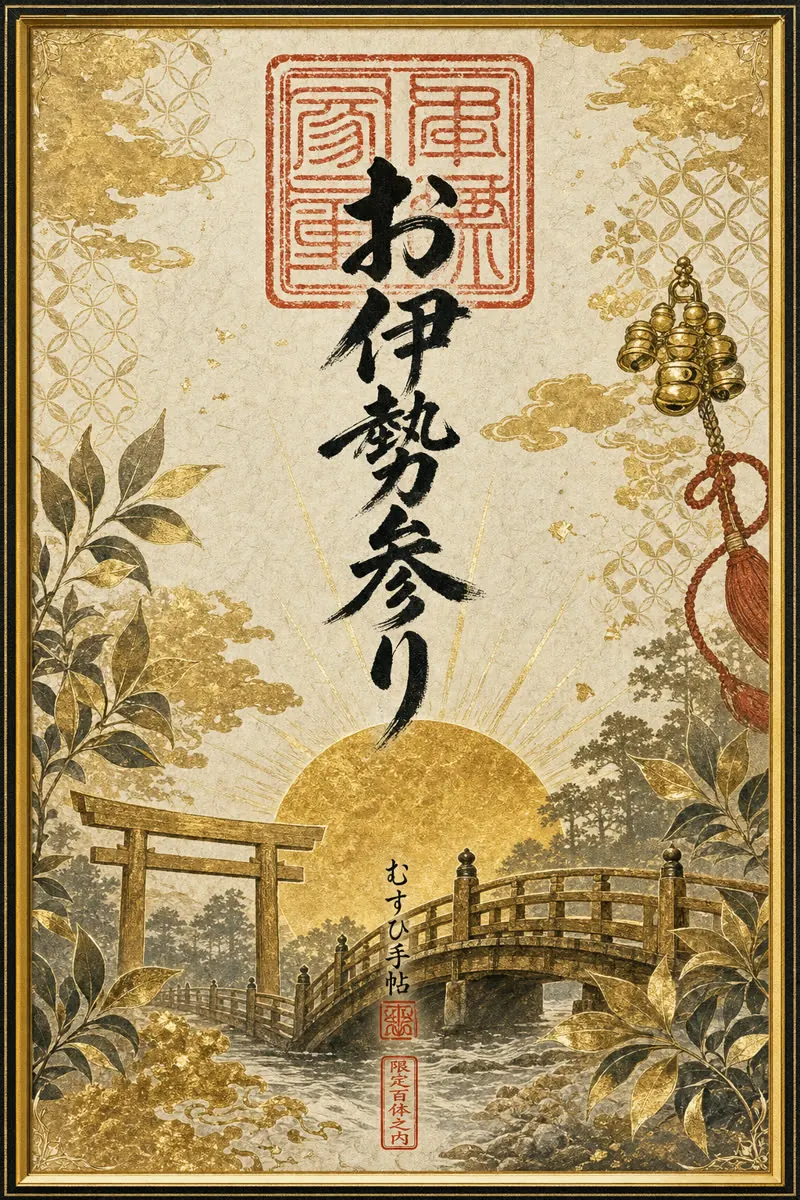 This shrine is part of the “O-Ise Mairi — The Ise Pilgrimage” pilgrimageRecord a visit to all three shrines to receive a digital goshuin NFT, limited to 100.About the pilgrimage goshuin →
Records earn points shared across our sister sites (1 pt ≈ 1 yen in value; points cannot be redeemed for cash or transferred). A fingerprint of the records is inscribed on the blockchain every day, so they cannot be rewritten afterwards.