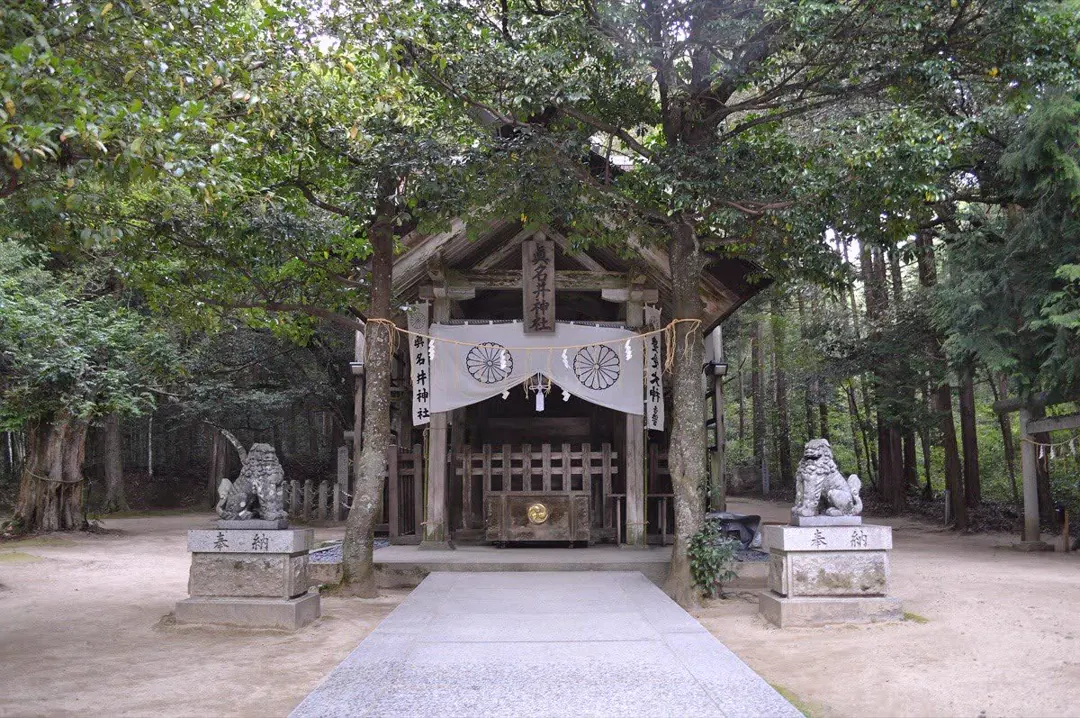
Manai Shrine
Inner shrine of Kono Shrine, where sacred rocks carry prayers from the earliest age.
History and Divine Virtue
The inner shrine (okumiya) of Kono Shrine, with Toyouke no Okami as its principal deity. About ten minutes' walk uphill from Kono Shrine, behind its sanctuary rest iwakura — sacred rocks that preserve to this day the form of the most ancient rites. As a place that keeps the shape of primeval worship, when deities were invited into stone before shrine buildings existed, it is often called one of Japan's foremost sacred sites. Anciently known also as "Yosa-no-Miya," it forms the heart of the Moto-Ise tradition, in which Amaterasu Omikami and Toyouke no Okami were worshipped here together. The spring within the grounds, the Ame-no-Manai water, has been carefully protected as sacred water. This is a place of quiet prayer: rules of worship are laid down, including a prohibition on photography around the iwakura, so compose your heart and visit in stillness. Seeking the air of a place of prayer unchanged since antiquity, worshippers travel quietly here from all over Japan.
Visiting Notes
- The iwakura behind the sanctuary preserve the traces of an ancient ritual site. Photography is forbidden behind the main hall; observe the rules of worship.
- The Ame-no-Manai water welling up at the purification font is known as sacred water.
- Visiting together with the main sanctuary of Kono Shrine is the time-honored custom.
Deities and Location
- Enshrined Deities
- Toyouke no Ōkami
- Location
- 京都府宮津市字大垣 (Kyoto)
- Access
- About a 10-minute walk from Kono Shrine
- Lineage
- Moto-Ise & Mythology
Visiting hours, goshuin (shrine stamps), and festival dates change; please confirm the latest information through each shrine's official announcements. If you find an error in this entry, we would be grateful if you let us know.
Visit Records
Records earn points shared across our sister sites (1 pt ≈ 1 yen in value; points cannot be redeemed for cash or transferred). A fingerprint of the records is inscribed on the blockchain every day, so they cannot be rewritten afterwards.
Shrines to Visit Together
related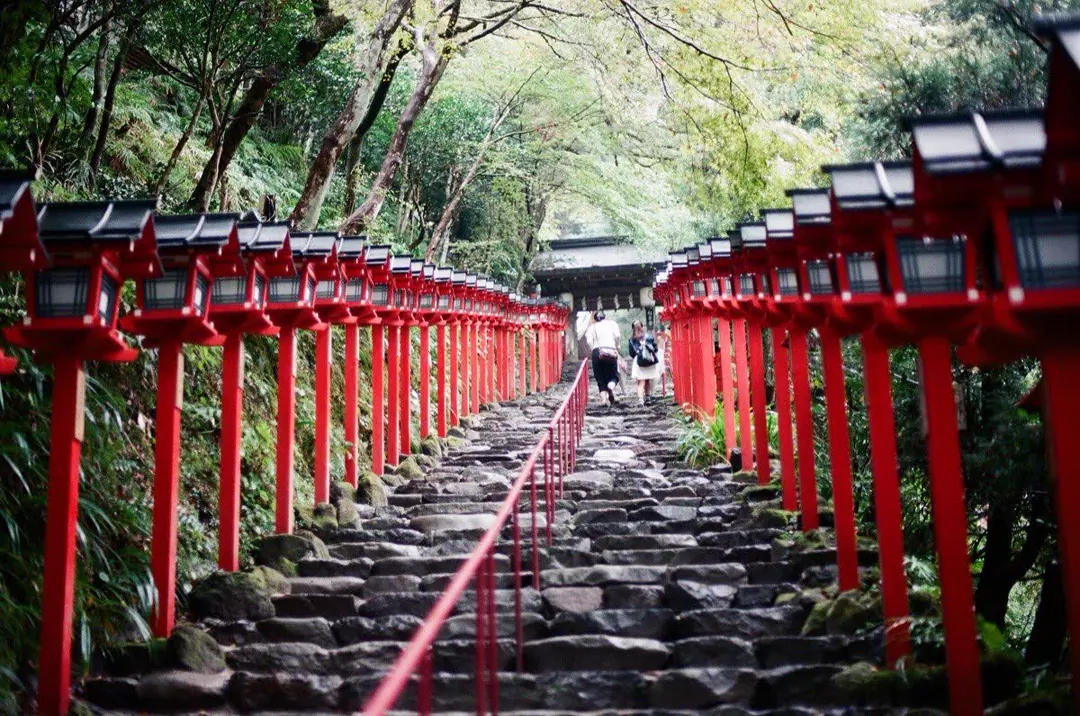 Kyoto
KyotoKifune Shrine
Head shrine of the water deity, on the banks of the Kifune River.
 Kyoto
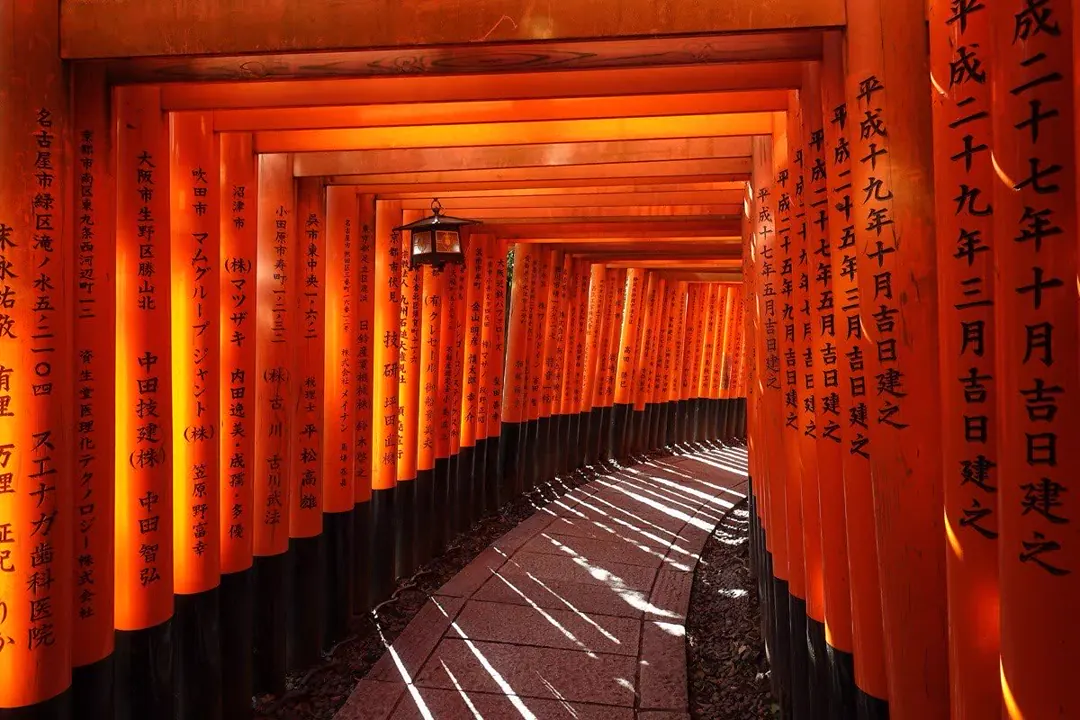
KyotoFushimi Inari Taisha
The vermilion Senbon Torii — head shrine of all Inari shrines in Japan.
 Kyoto
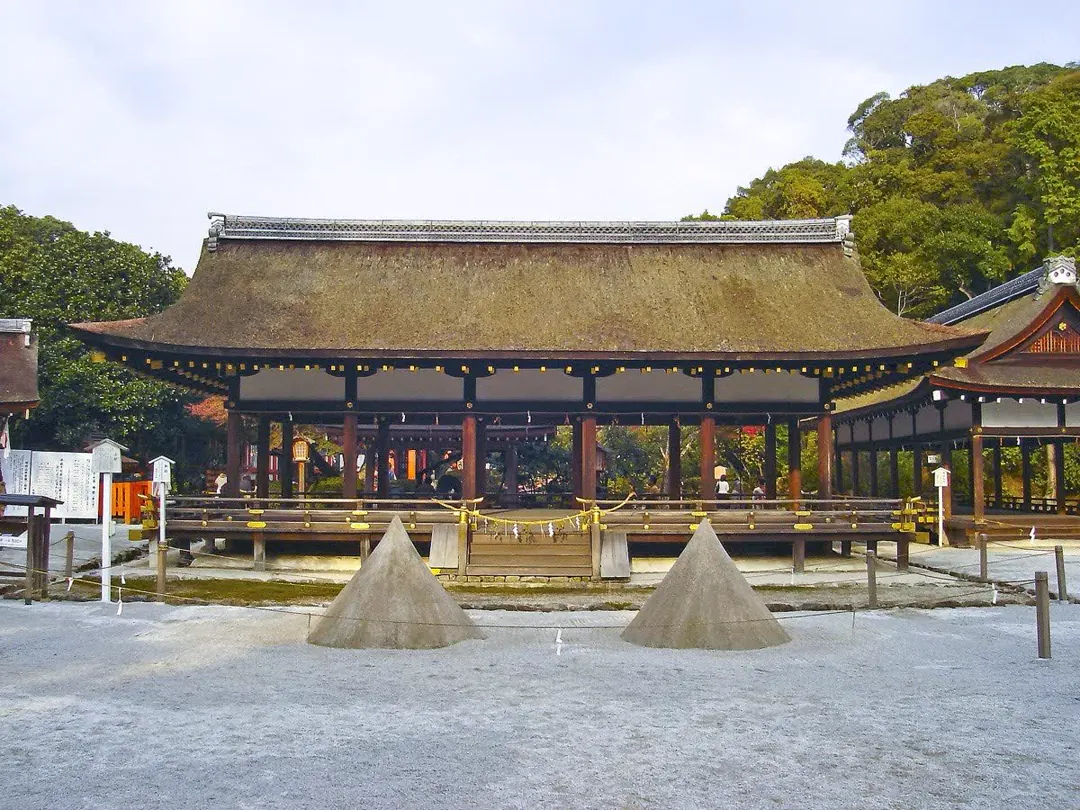
KyotoKamigamo Shrine (Kamo Wake-ikazuchi Jinja)
Ichinomiya of Yamashiro Province, warding off misfortune with the divine power of thunder.