Kanasana Shrine
Second shrine of old Musashi Province — a sanctuary with no main hall, where the mountain itself is worshipped.
History and Divine Virtue
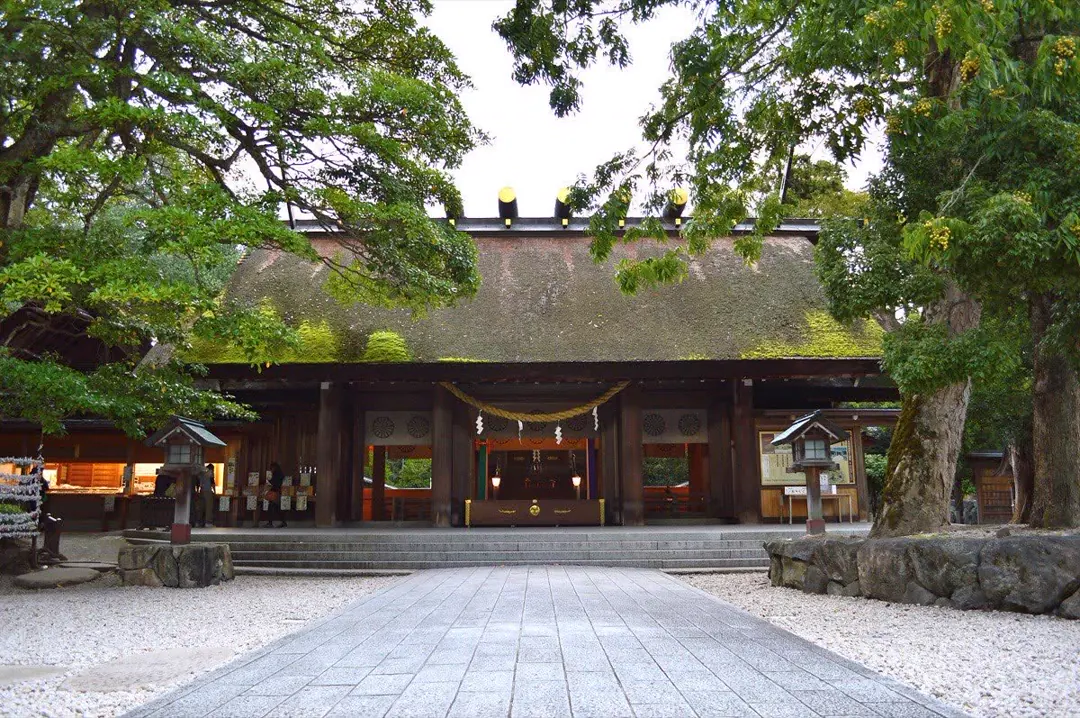
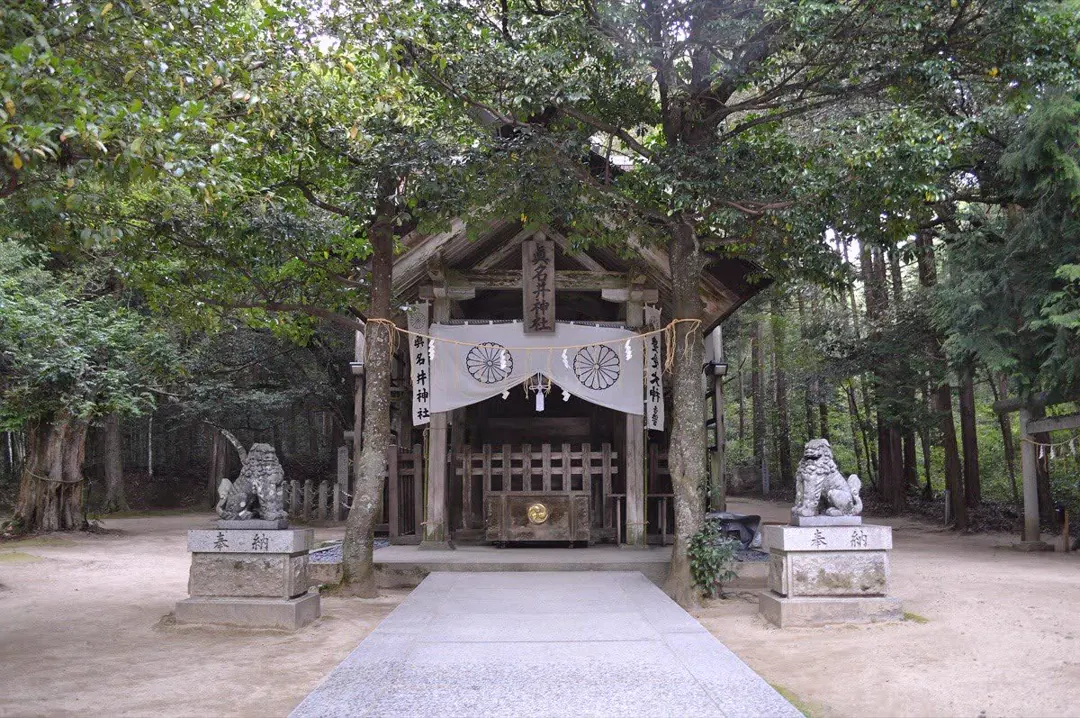
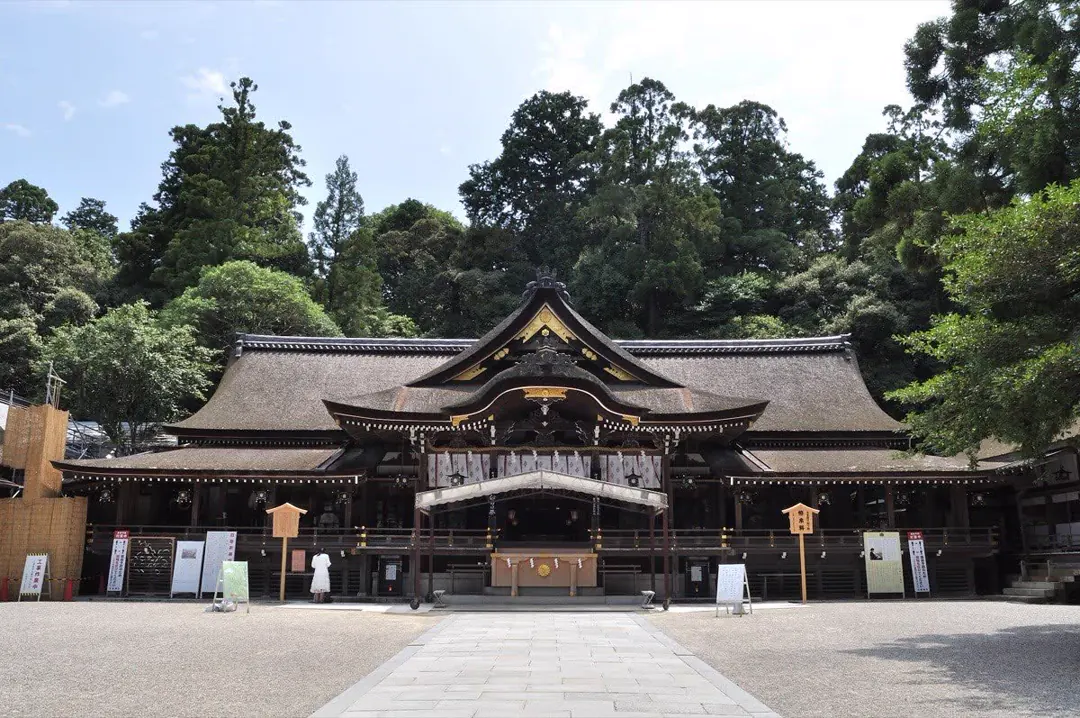
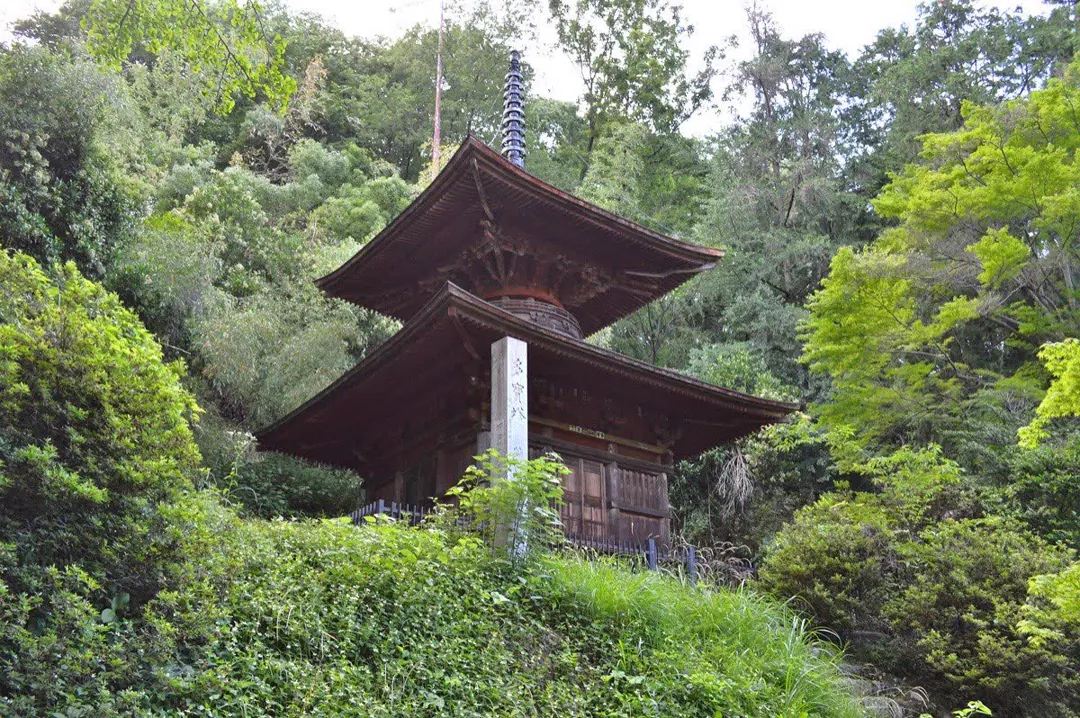
A shrine of the ancient Engishiki register (ranked myojin taisha), regarded as the ninomiya — second shrine — of old Musashi Province. According to shrine tradition, Yamato Takeru, returning from his eastern campaign, enshrined Amaterasu Omikami and Susanoo no Mikoto on Mount Mimuro, using as the sacred embodiment a fire-striking steel he had received from Yamatohime no Mikoto at Ise; Yamato Takeru himself was later enshrined alongside them. The shrine's most striking feature is that it has no main hall: Mount Mimuro, rising behind the worship hall, is itself the shrine's sacred body, worshipped directly — preserving to this day the ancient form of ritual in which the mountain is the deity. Only a handful of shrines in Japan retain this form, among them Omiwa Shrine in Nara and Suwa Taisha in Nagano. The tahoto pagoda on the approach, erected in 1534, is a nationally designated Important Cultural Property. On the slopes of Mount Mitake beyond the grounds lies the Kagami-iwa (Mirror Rock), a Special Natural Monument of Japan; together with the shrine forest, it preserves a vivid air of primeval worship.
Visiting Notes
- There is no main hall behind the worship hall — the mountain itself is worshipped. Knowing the meaning of this form deepens the visit.
- The tahoto pagoda on the approach, an Important Cultural Property from the Muromachi period, glows vermilion against the cedar grove.
- A path beside the worship hall climbs Mount Mitake to the Mirror Rock, a Special Natural Monument — a light hike of about 40 minutes round trip.
Deities and Location
- Enshrined Deities
- Amaterasu Ōmikami, Susanoo no Mikoto, Yamato Takeru no Mikoto
- Location
- 埼玉県児玉郡神川町二ノ宮 (Saitama)
- Access
- About 10 minutes by taxi from Tansho Station (JR Hachiko Line), or about 20 minutes by car from the Honjo-Kodama Interchange on the Kan-etsu Expressway
- Lineage
- Moto-Ise & Mythology
Visiting hours, goshuin (shrine stamps), and festival dates change; please confirm the latest information through each shrine's official announcements. If you find an error in this entry, we would be grateful if you let us know.
Visit Records
Records earn points shared across our sister sites (1 pt ≈ 1 yen in value; points cannot be redeemed for cash or transferred). A fingerprint of the records is inscribed on the blockchain every day, so they cannot be rewritten afterwards.