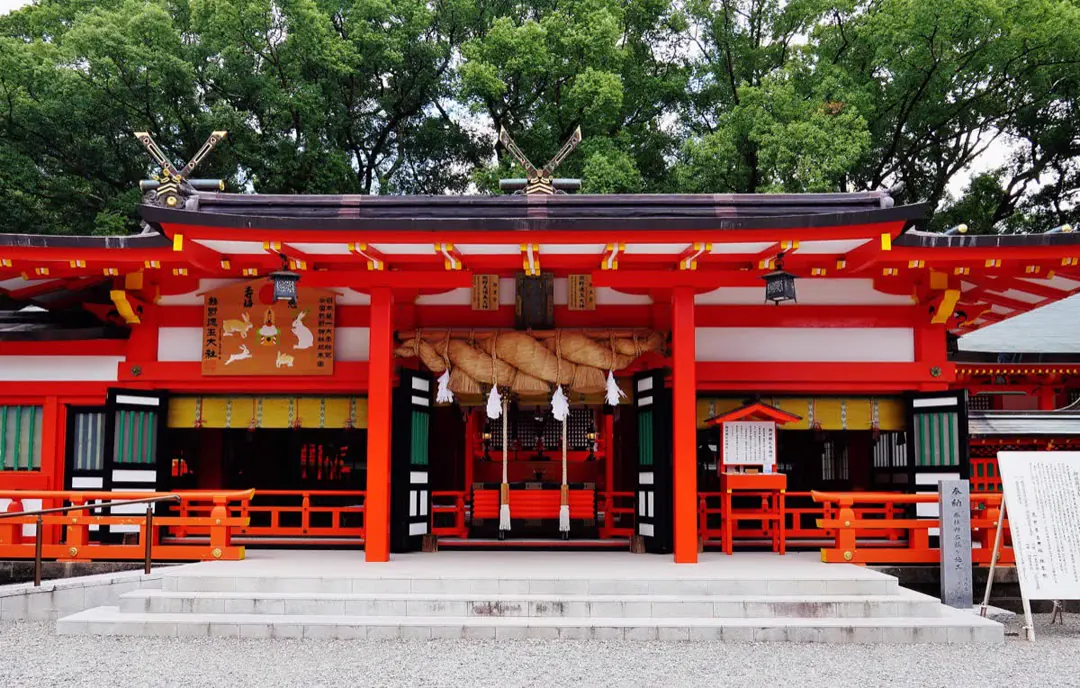
Kumano Hayatama Taisha
The vermilion grand shrine of Shingu, shaded by its sacred nagi tree.
History and Divine Virtue
One of the three grand shrines of Kumano, enshrining Kumano Hayatama no Okami and Kumano Fusumi no Okami as principal deities, its vermilion halls standing near the mouth of the Kumano River. Tradition holds that the gods of Kumano first descended upon the Gotobiki Rock on Mount Kamikura (Kamikura Shrine), and that their worship was later moved to the present site — hence the name Shingu, "the new shrine." The sacred nagi tree in the grounds, about a thousand years old and said to have been planted by Taira no Shigemori, is among the largest nagi trees in Japan and a National Natural Monument. Because its leaves resist tearing, the nagi is held to be a tree that binds bonds, and its leaves were anciently carried as amulets for safe passage on the Kumano pilgrimage. A shrine bound to the Kumano progresses of successive retired emperors, it preserves some 1,200 ancient sacred treasures designated as National Treasures. The precincts form part of the World Heritage Site "Sacred Sites and Pilgrimage Routes in the Kii Mountain Range," and the Oto Matsuri, held each February on Mount Kamikura at the original shrine, is famed as a fierce and stirring fire festival.
Visiting Notes
- The sacred nagi tree is about a thousand years old; its leaves are cherished as amulets for the binding of bonds and safe travels.
- The original shrine, Kamikura Shrine, sits atop a steep stone stairway with the Gotobiki Rock as its sacred body — well worth visiting together.
- At the shrine's treasure hall, part of the National Treasure collection of ancient sacred treasures can be viewed.
Deities and Location
- Enshrined Deities
- Kumano Hayatama no Ōkami, Kumano Fusumi no Ōkami
- Location
- 和歌山県新宮市新宮 (Wakayama)
- Access
- About a 15-minute walk from Shingu Station (JR)
- Lineage
- Purification & Renewal
Visiting hours, goshuin (shrine stamps), and festival dates change; please confirm the latest information through each shrine's official announcements. If you find an error in this entry, we would be grateful if you let us know.
Visit Records
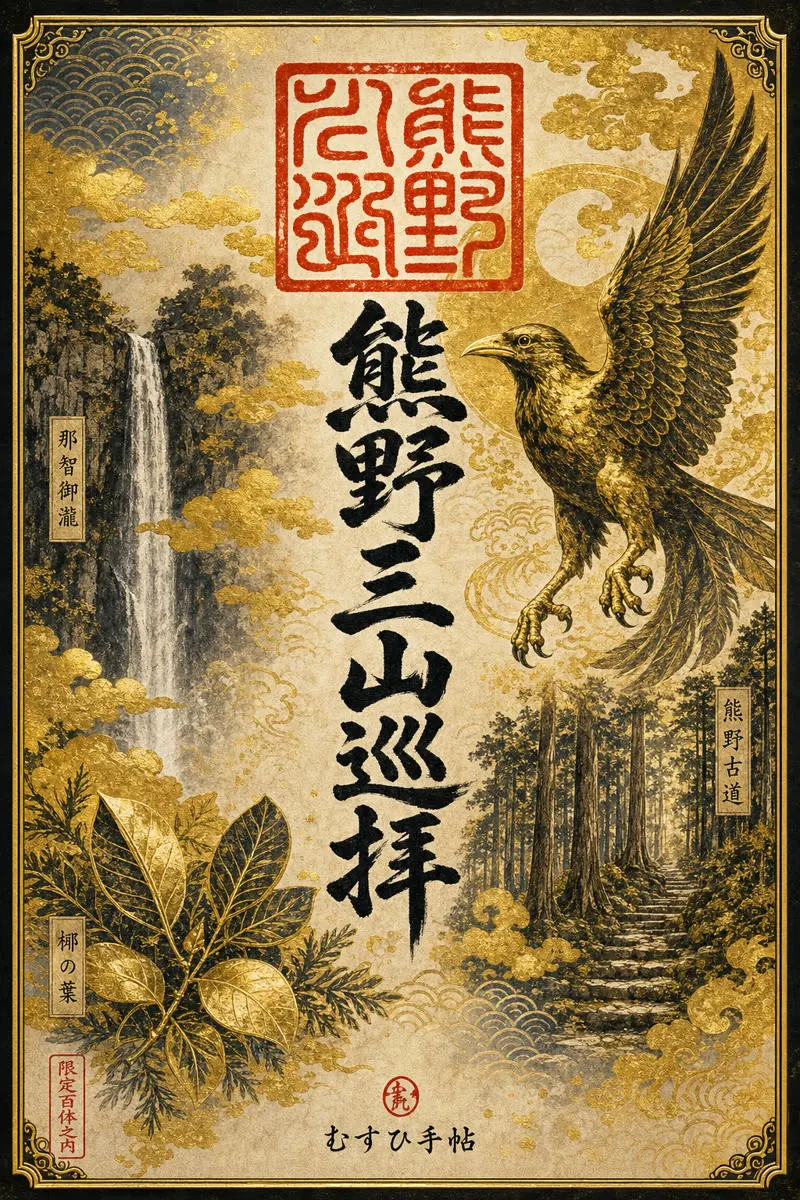 This shrine is part of the “Kumano Sanzan — The Three Grand Shrines of Kumano” pilgrimageRecord a visit to all three shrines to receive a digital goshuin NFT, limited to 100.About the pilgrimage goshuin →
Records earn points shared across our sister sites (1 pt ≈ 1 yen in value; points cannot be redeemed for cash or transferred). A fingerprint of the records is inscribed on the blockchain every day, so they cannot be rewritten afterwards.
Shrines to Visit Together
related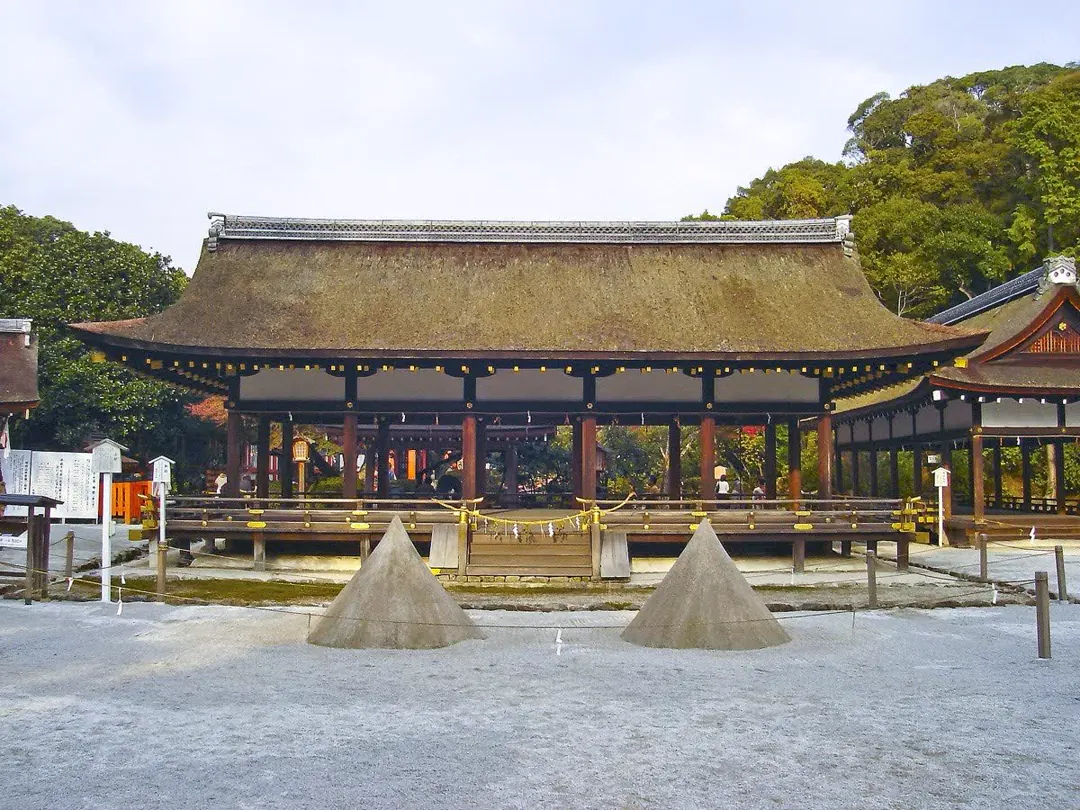 Kyoto
KyotoKamigamo Shrine (Kamo Wake-ikazuchi Jinja)
Ichinomiya of Yamashiro Province, warding off misfortune with the divine power of thunder.
 Wakayama
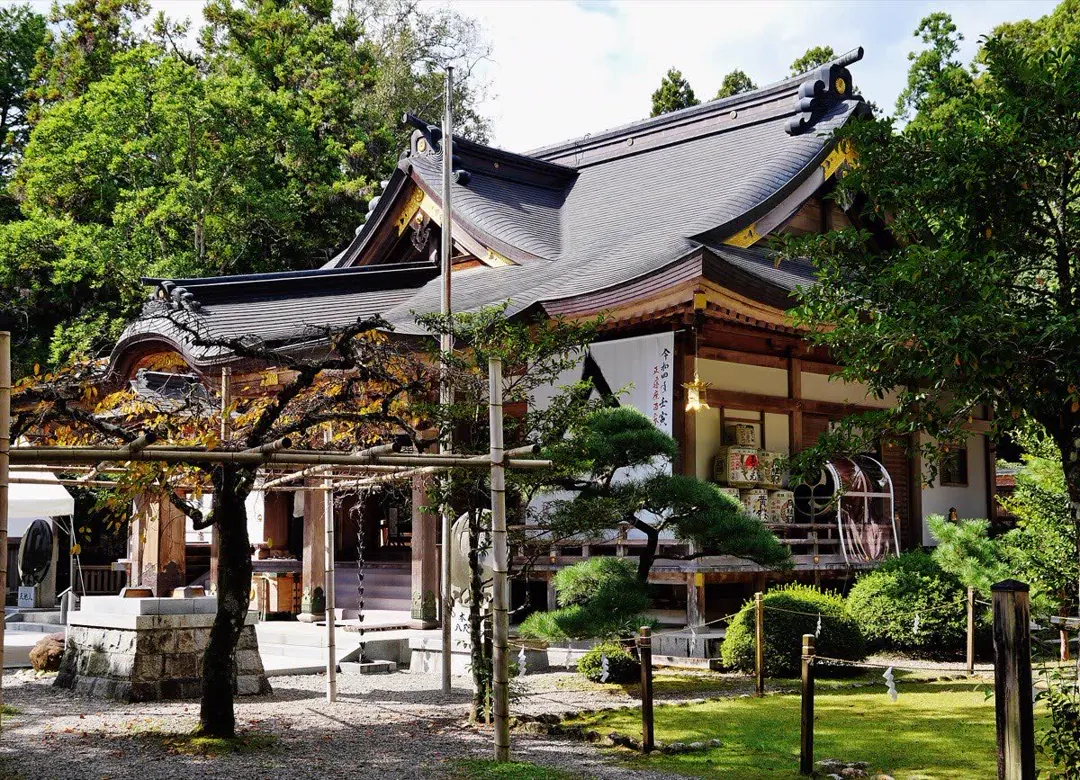
Kumano Hongu Taisha
Sacred ground of rebirth — the heart of the three grand shrines of Kumano.
 Wakayama
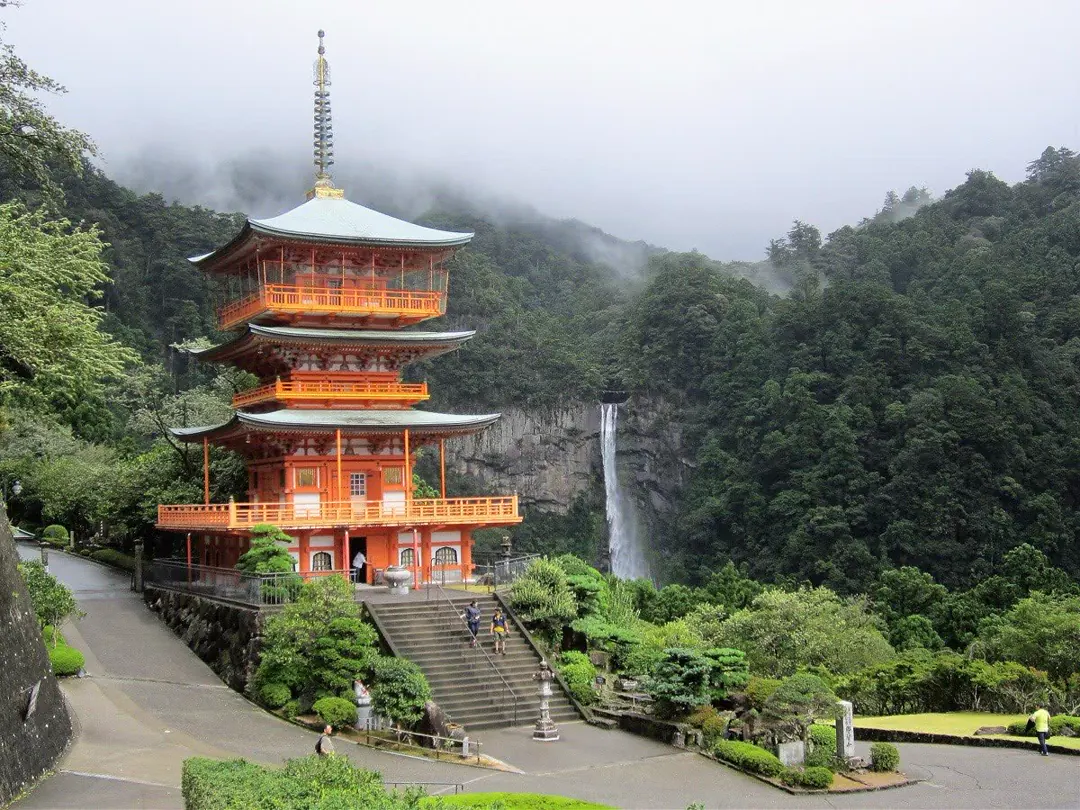
Kumano Nachi Taisha
The grand shrine of the Musubi-no-Miya, praying beside Nachi Falls.