Takakamo Shrine
Birthplace of the Kamo clan and the ancestral shrine of Kamo shrines nationwide.
History and Divine Virtue
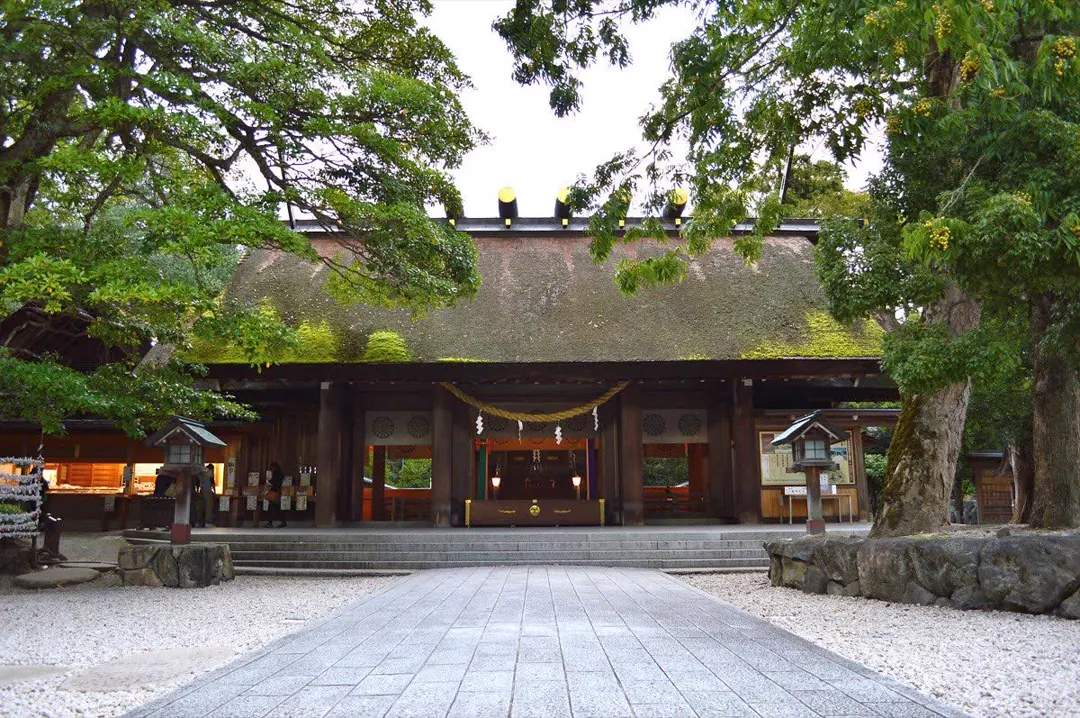
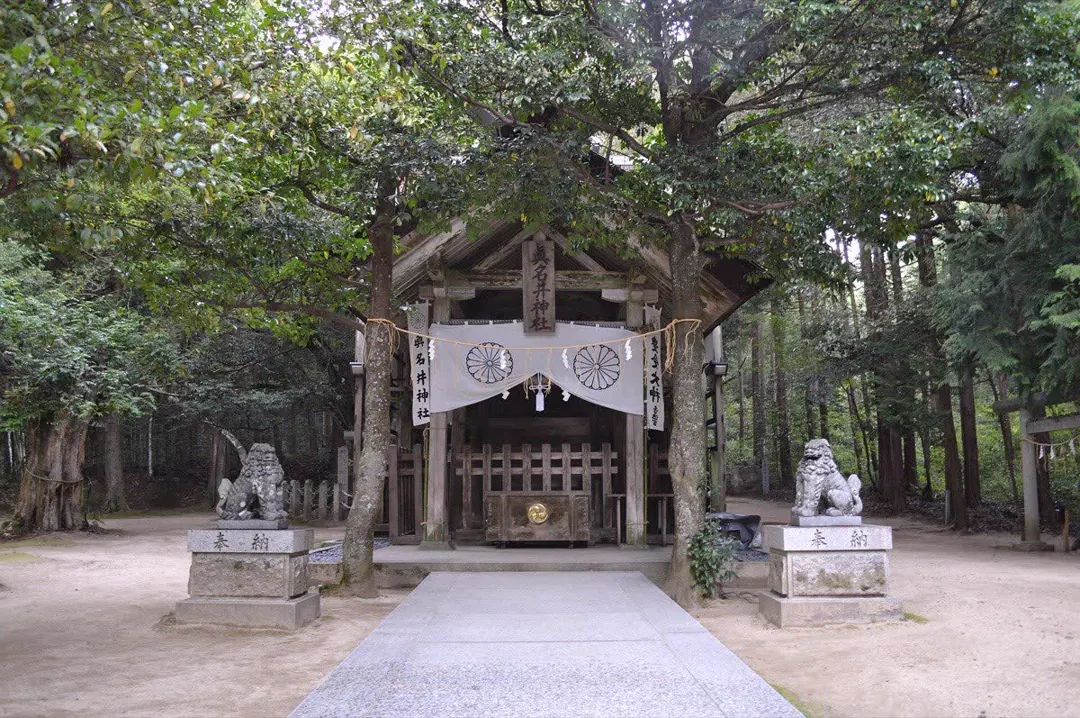
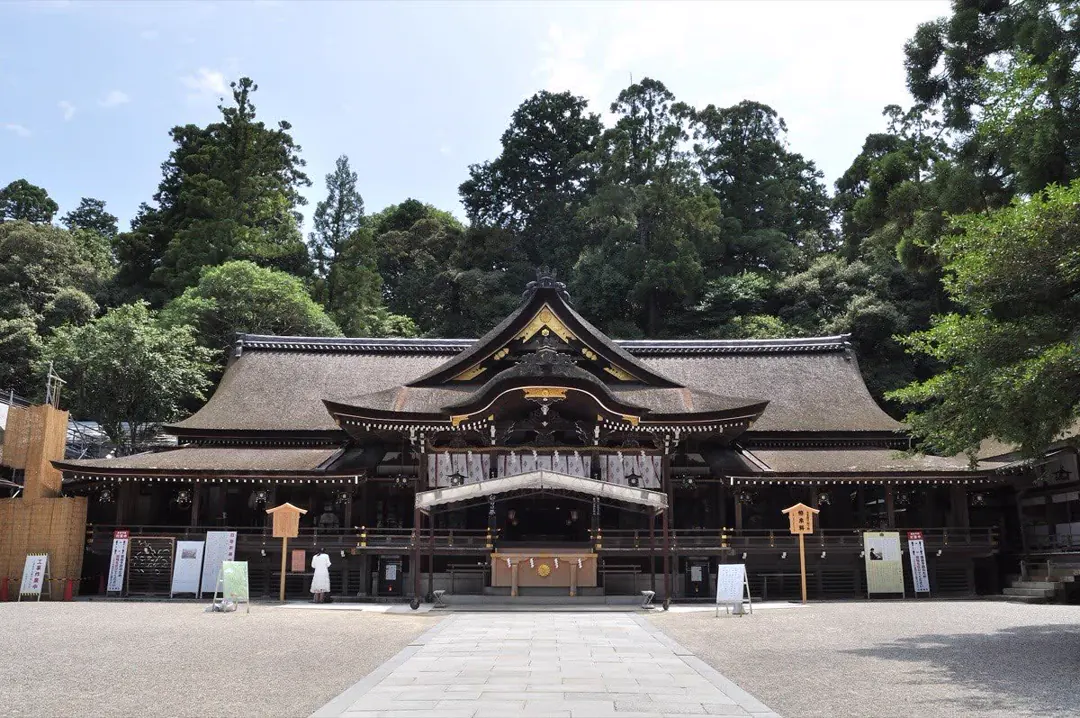
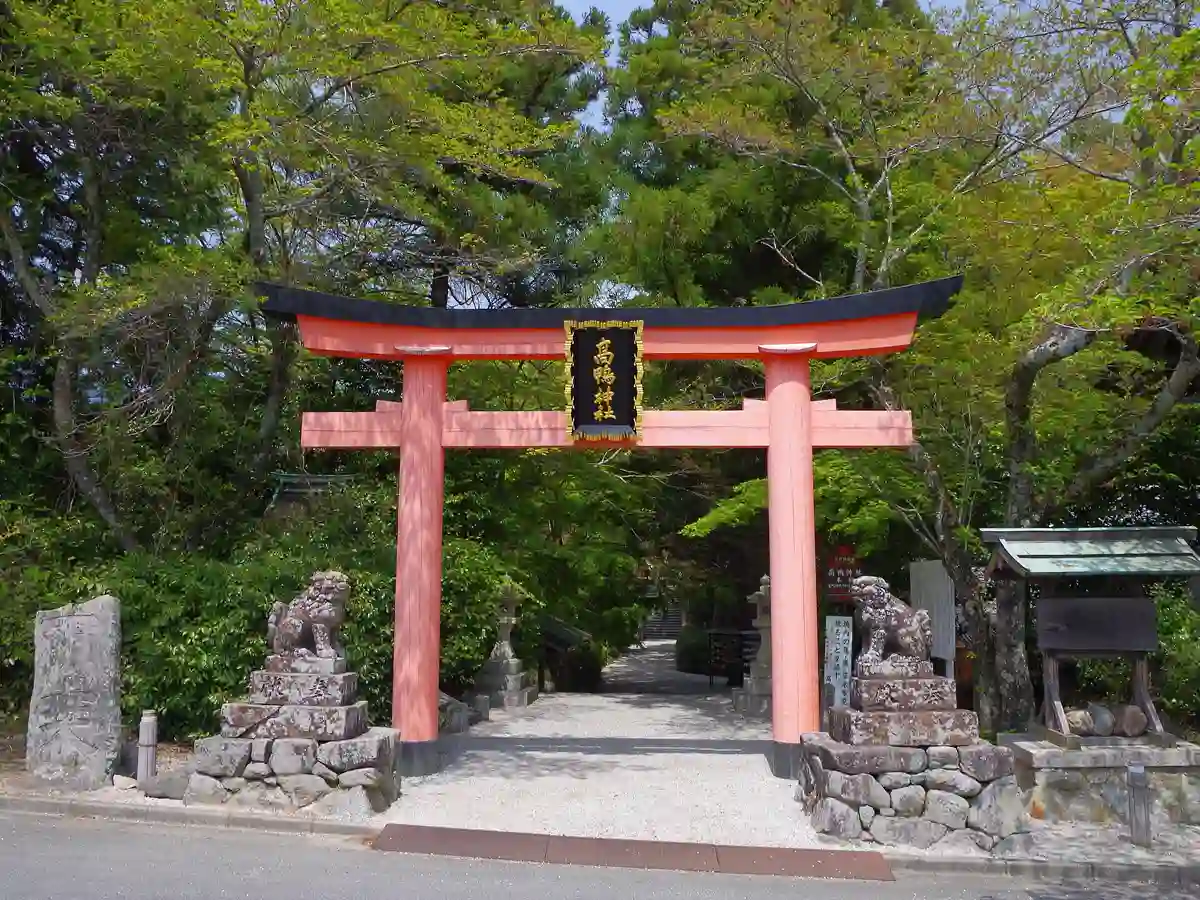
Takakamo Shrine stands at the eastern foot of Mount Kongo in Kamogami, Gose, and is one of the great shrines listed in the Engishiki. Its principal deity is Ajisukitakahikone no Mikoto, a child of Okuninushi, whom the Kojiki calls Kamo no Omikami, one of the very few deities given the honorific "great deity." The site is regarded as the birthplace of the ancient Kamo clan, and the shrine is handed down as the ancestral shrine of Kamo shrines throughout Japan, including Kamigamo and Shimogamo in Kyoto. The main sanctuary, built in 1543 in the three-bay nagare style, is an Important Cultural Property. A pond garden lies within the precincts, and the shrine is known for its spring display of Japanese primroses. Tucked into the Katsuragi hills at the southwestern edge of the Nara basin, it preserves the atmosphere of a faith reaching back to the age of myth.
Visiting Notes
- The main sanctuary dates from the Muromachi period and is an Important Cultural Property, notable for its cypress-bark roof and colored ornament.
- The principal deity is called Kamo no Omikami in the Kojiki, a child of Okuninushi.
- From mid-April to early May some five hundred varieties of Japanese primrose are shown in the precincts.
- Katsuragi Hitokotonushi Shrine and Takamahiko Shrine lie in the same city; a walking route linking the three is well established.
The shrine of beginnings from which the Kamo clan spread across the land. Musuhi Techo regards it as a place to confirm one's roots before stepping into new ground or new work.
Deities and Location
- Enshrined Deities
- Ajisukitakahikone no Mikoto (Kamo no Omikami), Shitateruhime no Mikoto, Amenowakahiko no Mikoto
- Location
- 奈良県御所市鴨神 (Nara)
- Access
- From Kintetsu Gose Station, Nara Kotsu bus to Kaze no Mori, then about a 15-minute walk.
Visiting hours, goshuin (shrine stamps), and festival dates change; please confirm the latest information through each shrine's official announcements. If you find an error in this entry, we would be grateful if you let us know.
Visit Records
Records earn points shared across our sister sites (1 pt ≈ 1 yen in value; points cannot be redeemed for cash or transferred). A fingerprint of the records is inscribed on the blockchain every day, so they cannot be rewritten afterwards.