Konohana-no-Sakuyabime — Goddess of the Cherry Blossom and Mount Fuji
Konohana-no-Sakuyabime, beloved of Ninigi no Mikoto at Cape Kasasa. The contrast with her elder sister Iwanagahime tells the origin of the emperors' mortal span, and to clear herself of suspicion she bears her children in a burning hut. The story of the princess revered as goddess of the cherry blossom and of Mount Fuji.
Ninigi no Mikoto, descended upon Takachiho, met a beautiful maiden at Cape Kasasa. Asked her name, she answered, "I am the daughter of Ōyamatsumi no Kami, and I am called Konohana-no-Sakuyabime" — a name meaning one who blossoms like the flowers of the tree, like cherry blossom in full glory. Ninigi's heart was taken at a single glance. "I wish to make you my wife — what say you?" The maiden replied, "It is not for me to answer; my father will answer you," and entrusted the matter to her father, the god of the mountains.
Her father Ōyamatsumi rejoiced greatly and presented his two daughters, sending the elder sister Iwanagahime along with many gifts. But the elder sister was exceedingly ill-favored, and Ninigi sent Iwanagahime back to her parents, sealing his bond with Konohana-no-Sakuyabime alone. Deeply shamed, Ōyamatsumi said: "Had you taken Iwanagahime, the life of the august offspring would have endured eternal as the rock. Since you have taken only Konohana-no-Sakuyabime, the life of the august offspring shall be fleeting as the flowers of the tree." So the Kojiki tells the origin of the bounded lifespan of the emperors, descendants of the heavenly gods. The eternity of the rock, and the beauty of the flower: the two sisters embody the two forms that life may take.
Konohana-no-Sakuyabime conceived after a single night's union. Hearing of it, Ninigi spoke words of doubt: "None conceives in a single night. Is it not another's child — a child of the gods of the land, and not my own?" Quietly, yet with resolve, the princess answered: "If the child I carry is a child of the gods of the land, its birth shall not go well. If it is the child of the heavenly god, then whatever may befall, it shall be born in safety."
She built a birthing-hut without doors and shut herself within, and when her labor came she set fire to the hut with her own hand. Amid the raging flames, three august children were born one after another: Hoderi no Mikoto, Hosuseri no Mikoto, and Hoori no Mikoto — the children who would weave the tale of Umisachihiko and Yamasachihiko, and carry the bloodline down to Emperor Jinmu, the first sovereign. The birth amid the flames stood as proof of the princess's innocence, and of her unshakable strength.
Graceful as a flower, yet unmoved even by flame, Konohana-no-Sakuyabime came in time to be revered as the goddess of Mount Fuji, the peerless peak of Japan, and is enshrined at Sengen shrines throughout the country. She is worshipped as a water deity who stills the erupting mountain, and — having borne her children amid the fire — the faith in her as a goddess of safe childbirth and child-rearing runs deep as well. The elder sister Iwanagahime, though sent away, is likewise devoutly enshrined in many places as a goddess of en-musubi and of long life. The tale of the paired sisters — the blossoming flower and the unmoving rock — is a mirror of the Japanese view of life.
Fujisan Hongū Sengen Taisha, enshrining Konohana-no-Sakuyabime no Mikoto, is the head shrine of all Sengen shrines across the country and the center of the faith that stills Mount Fuji. Ties to the princess are handed down at Arayayama Jinja as well. The Yui-no-Yashiro of Kifune Jinja enshrines the elder sister, Iwanagahime no Mikoto, and is famed for the faith of en-musubi.
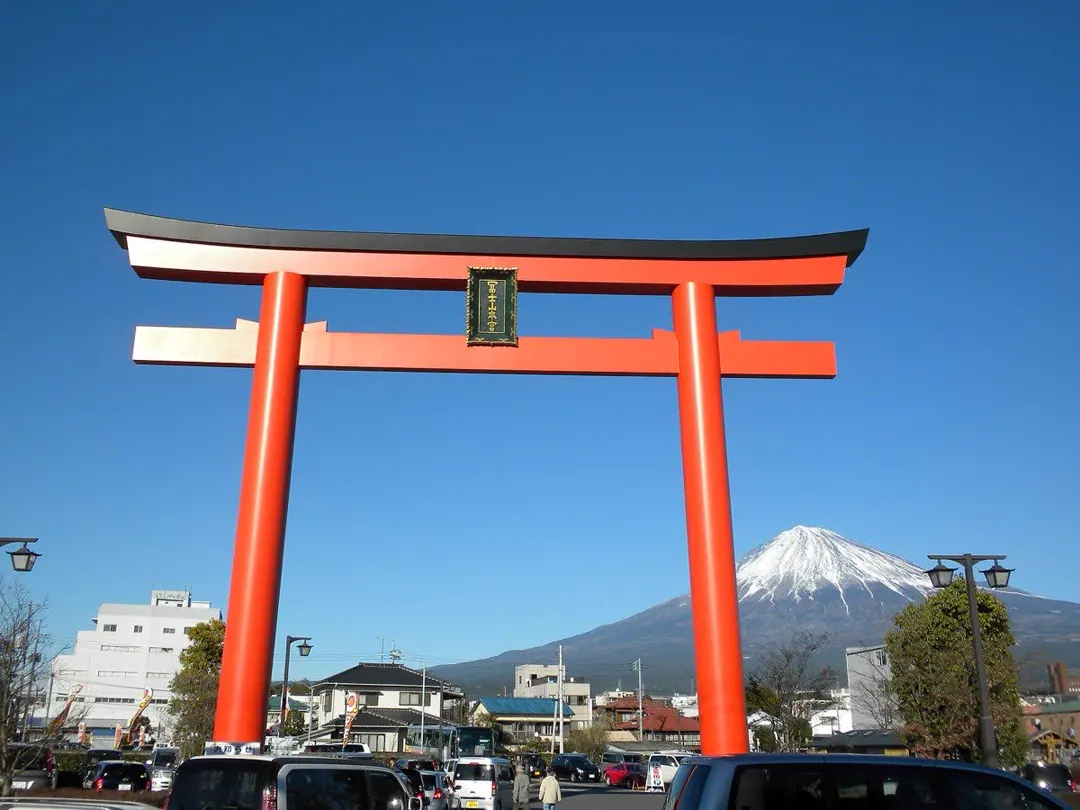 Shizuoka
Fujisan Hongu Sengen Taisha
Head shrine of all Sengen shrines, where Mount Fuji itself is worshipped.
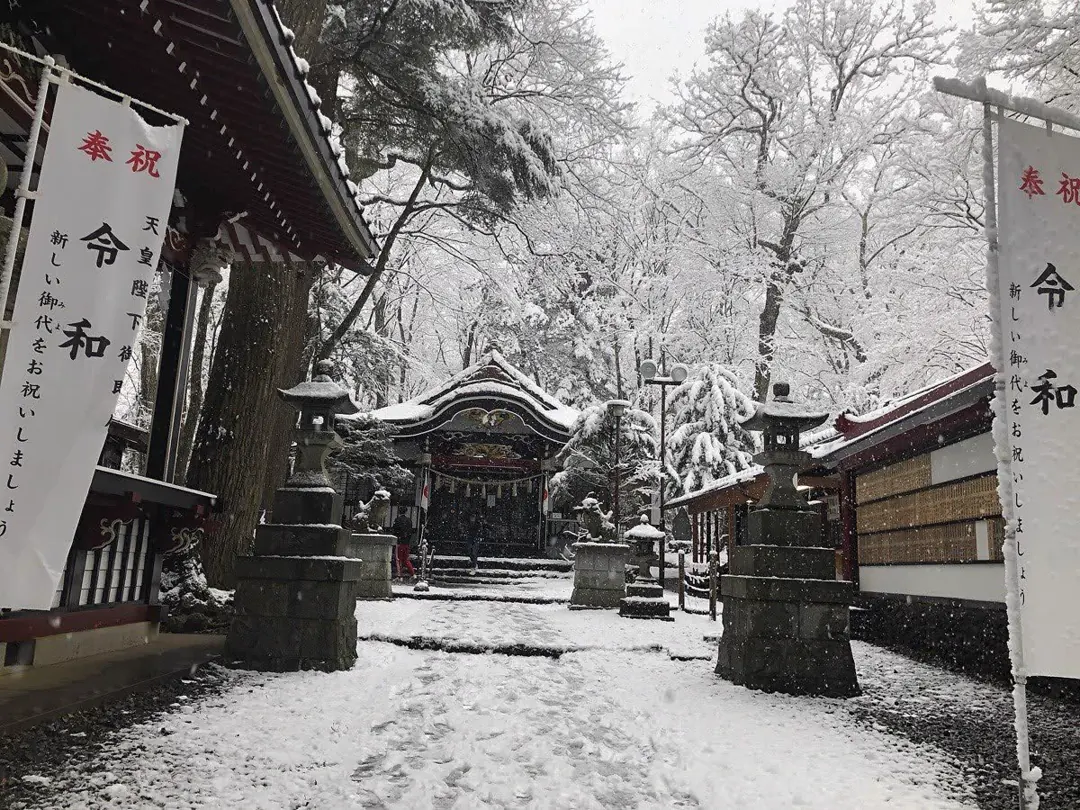 Yamanashi
Arayayama Shrine
A mountain deity at the foot of Mount Fuji, popularly hailed as a "shrine of financial fortune."
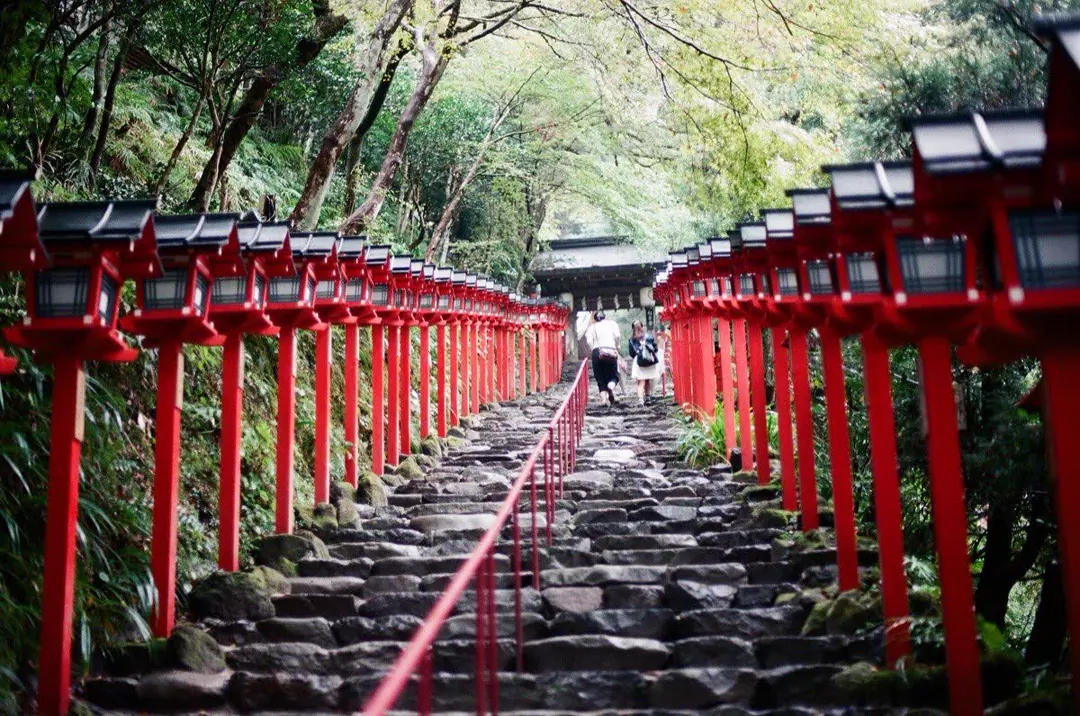 Kyoto
KyotoKifune Shrine
Head shrine of the water deity, on the banks of the Kifune River.